How to Fix Arrow Direction Drift When Shooting From a Tree Stand
Fix tree-stand arrow drift by checking angle error first. If a level shot groups true but an elevated shot shifts, confirm sight and body angle with a bubble level, then shoot a flat reference target before changing tune. Ignoring that step can waste broadheads, create bad holds, and hide a real tuning flaw. This guide gives a simple field test sequence to separate line-of-sight error, form torque, and bow-tuning problems.
What changes when you shoot from above


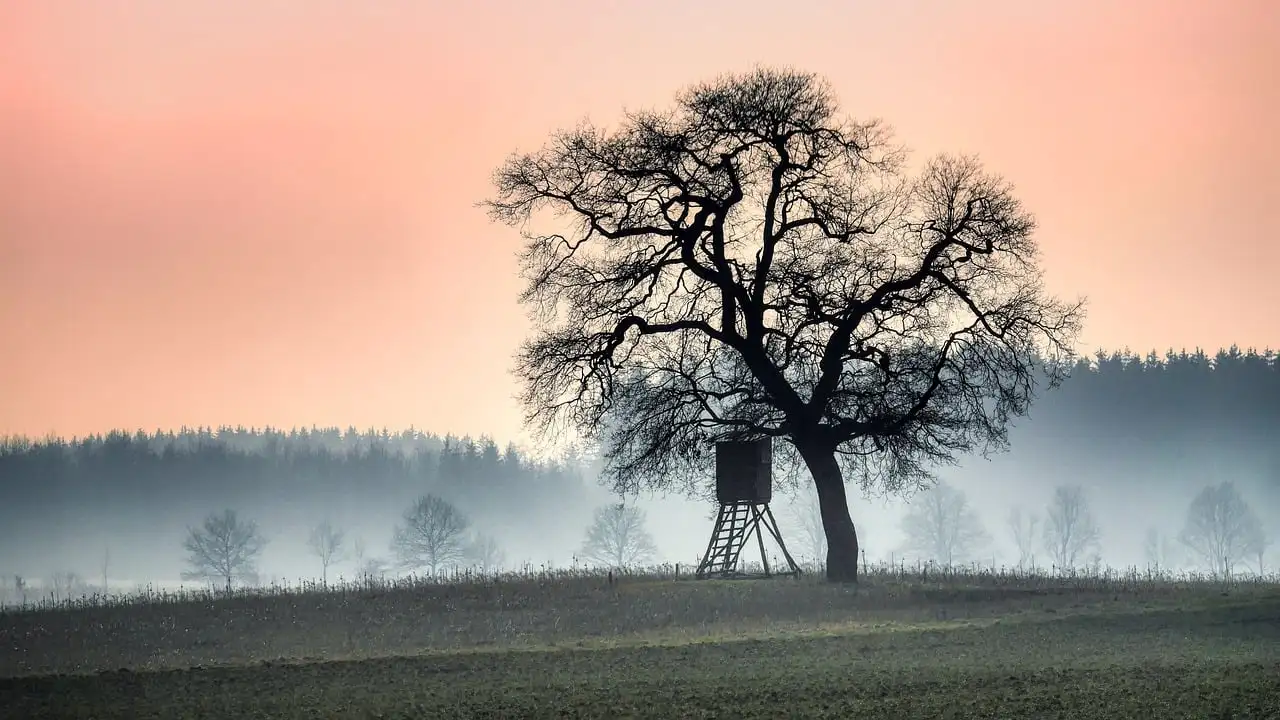
A tree stand changes shot geometry. The sight picture, string angle, and body posture all shift at once, so a miss can come from the angle itself, from form, or from tune. At steep downhill angles, line-of-sight distance is longer than horizontal distance, which is the distance that matters for pin use and drop.
That matters most on short shots. A 20-yard line-of-sight shot from 20 feet up may act closer to a shorter horizontal shot, so aiming by the tree line or the cable angle can send arrows low or sideways. Left and right misses from stands usually point to grip torque, anchor changes, or fixed-blade steering, not just sight settings.
What you’ll need
- Field points matched to your hunting shaft
- Broadheads you plan to hunt with
- A paper tune or walk-back tune result
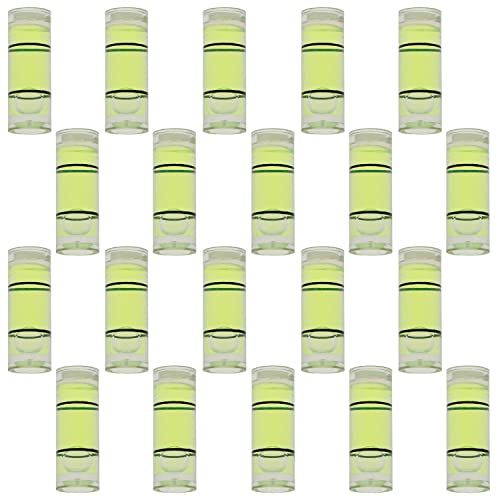
- Bubble level on the sight or bow
- Allen keys for rest, sight, and stabilizer work
- Serving tool or nock pliers if your D-loop needs a reset
- Target set at flat-ground and elevated angles
- A safe practice platform, chair, ladder, or low stand rail mockup
Fix arrow direction drift
- Confirm the miss pattern. Shoot 3 field points at about 20 yards from flat ground and 3 from your stand setup; note whether the drift is left, right, high, or low.
- Compare line-of-sight and horizontal distance. Use a rangefinder with angle compensation if available, then hold for the compensated distance rather than the raw sight-line number.
- Check grip, wrist, and shoulder position. Keep bow hand pressure centered in the web of the hand and avoid side-loading the riser when you lean out from a tree.
- Reset anchor and release. Draw to the same anchor every time, with the same nose and string contact, because awkward stand positions often change nock travel.
- Inspect rest clearance and center-shot. Check for vane or broadhead contact, then verify timing, containment, and center-shot alignment against the maker’s marks.
- Compare broadheads to field points. If field points group but fixed blades drift, the broadhead is exposing a tune fault or a small form error.
- Check arrow spine and point weight. If hits change after a point swap, compare the new point to the shaft’s spine chart; a heavier point weakens dynamic spine.
- Recheck nock height and D-loop setup. Move nocking point height in about 1/16-inch increments, then re-shoot; a poor nock height can show up more clearly from a steep angle.
- Evaluate stabilizer balance. If the bow tips in the stand, add or move 2 oz at a time on the front bar or rear bar, then recheck hold steadiness.
- Test wind at canopy height. Shoot in calmer air if possible, because gusts above the treeline can push the arrow line and change direction at height.
Suppose a bow groups tight at 30 yards on level ground, then starts landing left only from a 16-foot stand at 18 yards. If the miss disappears when the shooter braces against the tree and keeps the riser neutral, the likely issue is torque from stance, not a sight problem.
Why do my arrows drift only from a stand?
Tree stands put three pressure points on the shot at once: angle error, cramped posture, and tune faults that show up under stress. A level shot may hide them. A steep shot reveals them because the bow hand, elbow, and anchor all have less room to stay square, especially when the rail or tree trunk interferes.
Angle illusion at steep downhill shots
A steep downhill shot can look longer than it plays. If the bow is aimed by line-of-sight distance alone, the arrow often strikes low. That is not true left-right drift, but the sight picture makes it feel like a direction problem until the angle is accounted for.
Form changes caused by limited space
Limited elbow clearance often forces shoulder rotation or wrist bend. That can push the grip sideways and move the rest or string path enough to shift impact. A common first-timer mistake is leaning around the trunk with the bow hand pressed hard against the riser, then blaming the sight.
Tuning faults that show up only under stress
Field points may hide a weak spine or a broadhead issue on flat ground. Fixed blades often steer more from an elevated shot because release quality changes under awkward body position. If the broadhead group moves and the field point group stays tight, tune is still the first suspect.
Can broadheads make drift worse?
Yes. Fixed-blade broadheads react more to small release errors, slight rest contact, and weak spine than field points do. A broadhead that hits with a field point at 10 yards can still plane from a stand, especially at steep angle where the arrow leaves the string under more sideways pressure.
How to compare broadheads and field points
Shoot 3 field points and 3 broadheads at 20 yards from the same elevated position. If the broadheads group off line but the field points do not, adjust the rest, nocking point, or tune before changing your sight pin.
What steep-angle impact reveals about tune
Steep shots shorten the effective vertical drop and change the arrow’s reaction during launch. If a fixed blade opens the group only from the stand, that often points to timing, center-shot, or arrow spine that was close enough to pass flat-ground checks but not close enough for hunting posture.
How should I aim from a tree stand?
Aim with the compensated distance, not the raw line-of-sight number. On steep downhill shots, hold for the horizontal distance the arrow truly travels. For very close shots, avoid overholding high; that usually creates the bigger miss than the angle itself.
When to hold dead on versus hold low
If the angle is modest, dead-on aim is often correct once the rangefinder has angle compensation. If the angle is steep, use the horizontal distance and keep the pin on the vitals rather than floating it high. Shorter shots are easier to execute, but short does not mean point-blank.
Shot angles worth passing
Pass shots that force you to twist hard, lean past the rail, or shoot with your elbow pinned against the stand. A cleaner 15-yard angle is better than a risky 10-yard angle that adds torque and contact. Ethical shooting matters more than squeezing the bow into a bad lane.
Arrow direction drift troubleshooting matrix
| Symptom | Most likely cause | Quickest field test |
|---|---|---|
| Left miss at 20 yards from a steep angle | Bow hand torque or shoulder twist | Shoot 3 arrows with a relaxed open grip from the same stand and compare |
| Broadhead-only drift with field-point groups staying tight | Fixed-blade sensitivity or weak tune | Shoot 3 field points and 3 broadheads at 20 yards from the stand |
| Inconsistent hits when leaning around a tree trunk | Side-loading the riser | Step to a clear lane and repeat without touching the tree |
| Low hit after shooting through a rail opening | Angle misread or limited follow-through | Measure horizontal distance and shoot with a level sight bubble |
| Right miss when twisting at full draw | Anchor change or grip pressure shift | Draw while seated, then check nose and string contact before release |
| High or low impact after changing point weight | Dynamic spine change | Return to the original point weight and reshoot the same lane |
| Wind push that appears only above the treeline | Canopy-level crosswind | Shoot after a lull and watch vane drift at the target face |
| Group shift after moving from standing to sitting | Anchor and shoulder alignment change | Fire 2 arrows from each position without changing sight settings |
| Nock-related flight issue that shows up at release | Nocking point or D-loop height | Check nock travel on paper and adjust in 1/16-inch steps |
Common mistakes
Do not change the sight before checking posture and clearance. Do not treat every elevated miss as a sighting problem. Do not ignore fixed-blade drift. Do not lean around a trunk and call it a tune issue. A better order is angle, form, then tuning.
One more mistake is overcorrecting for drop at close range. If the angle is already compensated, adding extra hold can drive the arrow low. Another is skipping broadhead verification before season; a clean field-point group can hide a broadhead that planes under hunting conditions.
Prevention is simple: practice from the same seated, kneeling, or rail-limited posture you expect in the stand, and repeat the drill after any bow change to rest, spine, point weight, or stabilizer balance.
Frequently asked questions
Why do my arrows drift left or right only when I shoot from a tree stand?
That often points to torque, an anchor change, or a fixed-blade tune issue that can show up when the body is twisted. Check the same shot from flat ground and from the stand. If only the elevated shot moves, start with grip pressure and clearance before touching the sight.
Is my arrow direction problem caused by my bow, my stance, or the elevated angle?
Use a three-shot check: level ground with field points, elevated ground with field points, then elevated ground with broadheads. If only the elevated shots move, the stance or angle is the first suspect. If broadheads move more than field points, tune is more likely.
How do I aim differently from a tree stand to stop low or sideways hits?
Use the horizontal distance from a rangefinder with angle compensation, then keep the pin on the vitals without adding extra hold for drop. For sideways misses, square the shoulders and keep the bow hand neutral. If the rail blocks a clean lane, pass the shot.
Can arrow rest or broadhead tune issues look worse from a tree stand?
Yes. A rest that is slightly out of center-shot or a broadhead that is a little sensitive can shoot fine on flat ground and drift under a steep angle. Check for vane contact, then compare a 3-arrow field-point group to a 3-arrow broadhead group from the same stand.
Does shooting steeply downhill change arrow flight direction at close range?
It can change the way the miss looks, especially at 15 to 20 yards, because the arrow travels on a shorter horizontal path than the sight line suggests. Use the compensated distance, not the straight-line readout, and keep the bow shoulder square to limit left-right drift.
How do I keep from torquing the bow when shooting down from a stand?
Keep grip pressure centered, not crushed, and let the bow settle into the web of the hand. Align the wrist so the knuckles do not roll inward. If the shot lane is too tight, shift your stance or pass it rather than twisting around the tree.