How to Tie a Peep Sight Into a Bowstring the Right Way
Align a peep sight at full draw, then install and secure it under controlled string tension in a proper bow press or by a pro shop so it cannot creep; verify alignment at full draw before final serving. A poor tie-in can leave the peep rotated, force awkward head position, and make every shot inconsistent. This guide covers the tie-in process, alignment check, and fixes for peep creep or misalignment after setup changes.
What a peep sight does


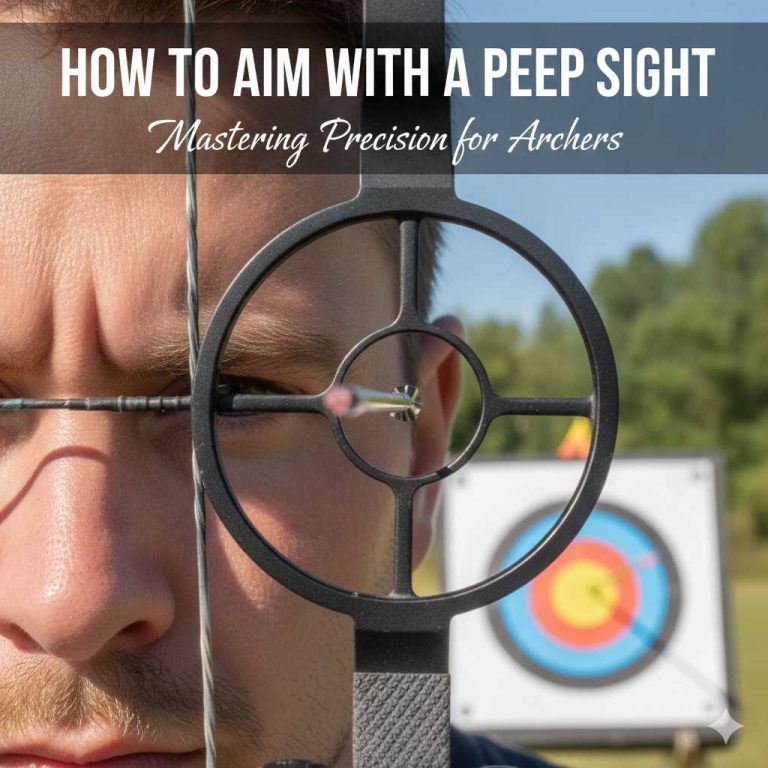
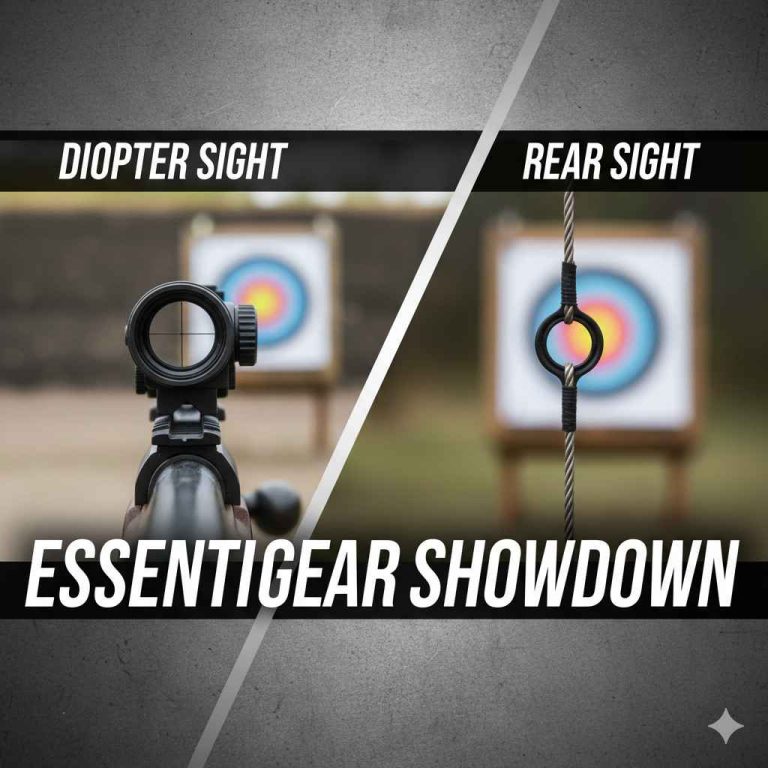
A peep sight is a small circular aperture attached to the bowstring. It gives the archer a fixed viewing hole for the sight picture, so the pin gap or arrow-tip reference stays the same from shot to shot. On a compound bow, the peep should match the dominant eye and the anchor point.
Why it matters for compound setup
The peep sits in the string only if the rest of the setup supports it. The D-loop, nocking point, draw length, and anchor all affect where the peep ends up. If the anchor shifts, the peep may look fine at rest and still miss alignment at full draw.
What you’ll need
- Peep sight sized for your string and sight picture
- Bowstring serving thread, preferably high-tensile
- Serving needle for clean wraps
- Bow square for reference marks and alignment checks
- Scissors or snips for trimming excess serving
- Compound bow with D-loop and nocking point already set
Bowstring checks before you start
Inspect the serving and the main string first. Look for frayed strands, flat spots, or separation where the peep will sit, and stop if you find any of it. Place the peep with the bow in normal shooting form, not from a casual standing guess.
Why full-draw alignment comes first
Set the peep from the dominant eye and anchor point, then confirm it at full draw. A bow can look centered at brace height and still rotate at full draw. The peep should be aligned for the specific peep design when the bow is held at the same anchor you will use while shooting.
Set the reference before you tie
Draw the bow to a consistent anchor point and keep the head position natural. One install method is to measure from the center of the peep to the center of the nock, then mark from that reference while holding the normal shooting position. A bow square helps keep the mark precise.
Use the right eye and the same anchor
Dominant eye choice drives the sight picture. If the archer changes facial pressure, cheek placement, or nose contact, the peep can shift relative to the eye. Short axle-to-axle bows can be less forgiving here, so full-draw verification matters even more.
How do you place the peep on the string?
Mark the peep location while at full draw, using the anchor and dominant eye as the reference. The setup can use the arrow tip or bow as a visual reference, but the mark should still be made with the bow held in shooting form. Adjust for glasses, face pressure, or a changing anchor before serving the peep in.
Use the D-loop and nocking point as references
The D-loop and nocking point help anchor the rest of the setup before the peep goes in. If the loop is later moved or rebuilt, the peep height may change. Marking from the center of the peep to the center of the nock gives a repeatable starting point for placement.
- Draw the bow to full anchor and hold it steady.
- Mark the peep height with a bow square or a helper at eye level.
- Check that the mark lines up with the dominant eye and normal head position.
- Release the bow and confirm the mark is clear before serving.
How to tie in a peep sight on a bowstring
Use serving thread and a serving needle to lock the peep with tight wraps above and below its grooves. This is normally done with the bow safely in a proper press or by a pro shop, since the peep must be positioned by splitting the string strands and matching the peep groove size to the strand count under controlled tension. Start with firm tension, keep the peep aligned for the chosen design, and finish with a secure tie-off before trimming the tag ends. The goal is to stop creep without crushing the string or creating loose tails.
Repeatable tie-in sequence
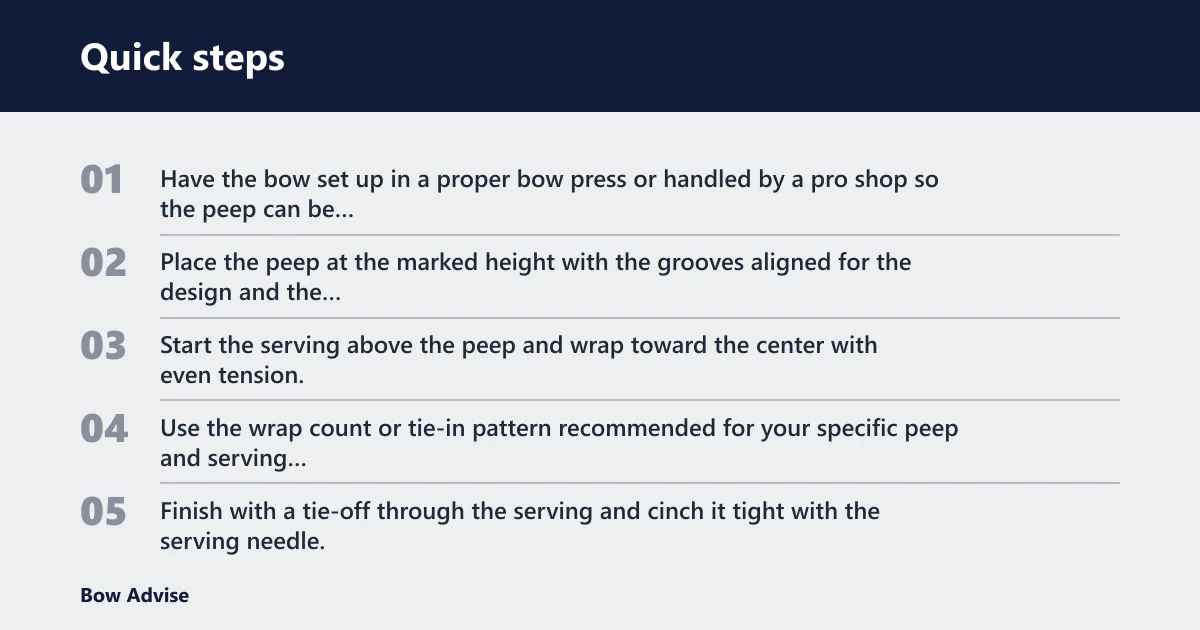
- Have the bow set up in a proper bow press or handled by a pro shop so the peep can be installed safely under controlled string tension.
- Place the peep at the marked height with the grooves aligned for the design and the string strands split evenly through the peep.
- Start the serving above the peep and wrap toward the center with even tension.
- Use the wrap count or tie-in pattern recommended for your specific peep and serving method, since the exact number varies by setup.
- Finish with a tie-off through the serving and cinch it tight with the serving needle.
- Trim excess serving thread close to the knot.
How many wraps should it have?
The wrap count depends on the peep design, string construction, and the tie-in method used. If the maker supplies a model-specific serving method, follow that instead. The correct count is the one that keeps the peep locked without crushing the string or leaving slack.
What thread should secure it?
Use high-tensile bowstring serving thread. It needs enough grip and strength to resist slipping under repeated draw cycles. A serving needle helps the thread lay tighter and cleaner than a bare hand wrap, especially when the string is already partially loaded.
Peep tie-in checklist
Use this as a final pass before shooting. It catches the common failures that show up only after the bow is drawn, not when it is hanging at rest.
| Check | Pass condition | Why it matters |
|---|---|---|
| Wrap count | 5-7 wraps, even on both sides of the peep groove | Too few wraps can creep; uneven wraps can tilt the peep |
| Wrap direction | Serving is laid in one clean pattern with no crossed slack | Clean wraps keep the peep from rotating under load |
| Full-draw alignment | Peep centers on the dominant eye at anchor | This is the real shot position, not the rest position |
| Vertical orientation | Peep sits centered and vertical | Vertical alignment prevents a crooked sight picture |
| Trimmed excess | Tag ends are cut close and do not snag | Loose tails can work out and weaken the finish |
| Stability check | Bow holds steady when gently shaken | Loose serving often shows movement before it fails |
How do you keep a peep sight from slipping?
Keep it from slipping with firm serving tension, a proper wrap pattern, and a clean finish knot. A peep that creeps usually points to loose serving, poor tension control, or a setup change that changed string angle. If the peep still moves, retie it before more shots pull it farther out of position.
What to recheck after setup changes
Retie after a new string, a draw-length change, a D-loop adjustment, or an anchor change. Those are the shifts that move peep height and rotation most often. If glasses, nose contact, or cheek pressure change, the peep may also need a fresh alignment check even if the knot itself looks fine.
Common mistakes
Most peep problems come from checking too early, tying too loosely, or trusting the rest position more than the draw position. A peep can look centered in the string and still be wrong for the shot.
Typical failures and fixes
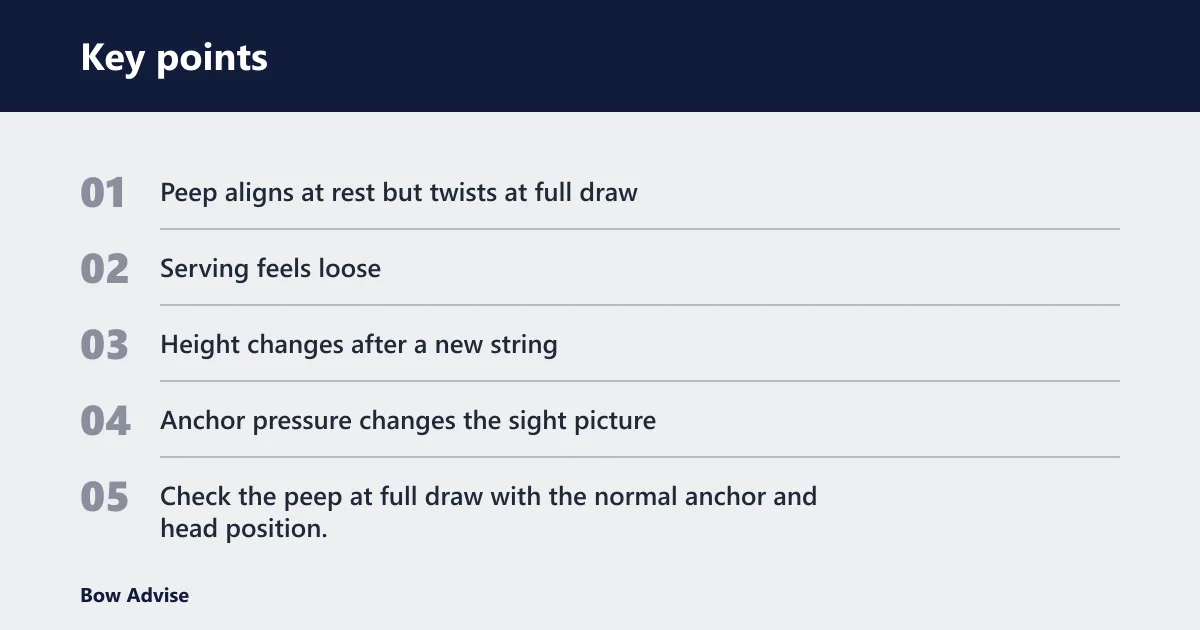
- Peep aligns at rest but twists at full draw: reset the mark at anchor and retie from that position.
- Serving feels loose: remove it and rebuild with firmer tension and a clean finish.
- Height changes after a new string: re-mark from the center of the nock and confirm at full draw.
- Anchor pressure changes the sight picture: normalize face contact before adjusting the peep again.
If that didn’t work, try this next
- Check the peep at full draw with the normal anchor and head position.
- Compare the peep to the D-loop and nocking point for drift.
- Retie with fresh serving thread if the wrap stack has settled or loosened.
- Recheck after a few shots, then inspect again after any setup change.
For example, a 31-inch axle-to-axle bow may look centered at brace height but still sit off at full draw. The fix is not a guess at rest. Reset the mark at anchor, retie the serving, and confirm the peep is aligned for the chosen design when the bow is fully drawn.
Suppose a bowhunter changes to a new D-loop and the peep starts drifting after 20 shots. That usually means the reference point changed, not that the peep itself is defective. Retie the peep from the new loop position, then recheck alignment before the next practice round.
Frequently asked questions
How do you tie in a peep sight on a bowstring?
Have the bow safely set in a proper press or handled by a pro shop, then place the peep on the marked spot with the string strands split evenly for the peep groove. Secure it with the serving method recommended for your peep, finish the tie-off, trim the excess, and confirm the peep stays aligned at full draw before shooting.
How many wraps should a peep sight tie-in have?
The wrap count depends on the peep design, string construction, and the tie-in method used. If the peep maker gives a model-specific serving method, follow that instead. The correct count is the one that keeps the peep locked without crushing the string or leaving slack.
What thread do you use to secure a peep sight?
Use high-tensile bowstring serving thread. It is built for the load on a compound string and helps resist slip when the bow cycles through repeated draws. A serving needle makes the wraps cleaner and tighter, especially when the peep grooves are small.
Where should a peep sight sit on the string?
It should sit where the dominant eye lines up naturally at full draw with the normal anchor point. The best starting mark is often taken from the center of the peep to the center of the nock, then verified with the bow at shooting position.
How do you test peep sight alignment after installation?
Draw the bow to full anchor and look through the peep with the same head position used for shooting. The opening should appear aligned for the specific peep design. Then shoot a few arrows, and recheck after any change to the string, D-loop, or draw length.