What is Archery V Shooting Competition? Key Differences Explained
Archery versus shooting competitions have fascinated people for centuries. Both sports test aim, focus, and skill, but they offer very different experiences. Archery uses bows and arrows, while shooting uses firearms or airguns. At first glance, they may look similar, but the rules, equipment, culture, and even physical demands are unique.
Understanding the differences can help you choose which sport fits your personality, interests, and goals.
Many people are unsure which sport to try. Is archery more relaxing? Is shooting more precise? Are the competitions similar? In this article, we explore what archery v shooting competition really means. We compare their history, rules, equipment, skill sets, and competitive scenes.
If you’re thinking about joining a club, watching a tournament, or just curious about these sports, you’ll find everything you need to make an informed decision.
History And Origins
Archery is one of the oldest human activities. Ancient people used bows for hunting and war as early as 20,000 BC. Later, archery became a sport in countries like England and China. In fact, archery was an Olympic event as early as 1900.
Shooting competitions also have a long history, but they started later. Firearms first appeared in the 14th century. By the 1800s, shooting matches were popular in Europe and the United States. The first Olympic shooting event was held in 1896.
Both sports have grown worldwide. Today, they are practiced in schools, clubs, and even at the Olympic level. Many modern rules and formats come from their long traditions.
Basic Concepts And Rules
Archery and shooting competitions share some ideas. Both require accuracy, concentration, and control. But their rules and scoring systems are quite different.
Archery Competition Rules
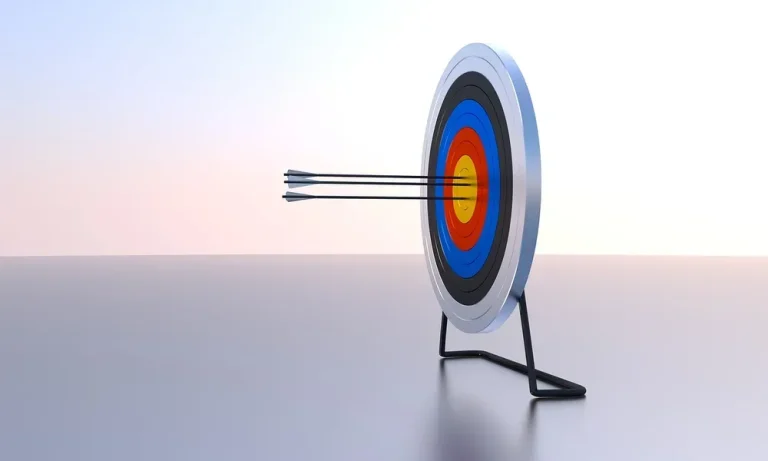
Archers shoot arrows at a target, usually from a set distance. The main goal is to hit the center, called the bullseye. Scores depend on how close each arrow lands to the center.
- Distances: Common competition distances are 18 meters (indoor) and 70 meters (outdoor).
- Rounds: Archers shoot a set number of arrows per round.
- Scoring: Targets have rings worth 1, 10 points. The bullseye is 10.
- Equipment: Rules specify the type of bow (recurve, compound, traditional), arrows, and accessories.
There are many formats, such as individual, team, and mixed competitions. The World Archery Federation sets most global rules.
Shooting Competition Rules
Shooting events use guns or airguns. The main types are rifle, pistol, and shotgun competitions. Shooters aim at paper targets or clay discs.
- Distances: Ranges from 10 meters (airgun) to 50 meters (rifle), and up to 300 meters for some events.
- Rounds: Shooters fire a set number of shots per round.
- Scoring: Targets have rings worth 1, 10 points, similar to archery.
- Equipment: Strict rules about firearms, ammunition, and gear.
The International Shooting Sport Federation (ISSF) sets rules for Olympic and world competitions.
Equipment Comparison
The equipment in archery and shooting is not just different, it shapes the whole sport. Here is a detailed comparison:
| Feature | Archery | Shooting |
|---|---|---|
| Main Tool | Bow (recurve, compound, longbow) | Firearm (rifle, pistol, shotgun, airgun) |
| Projectile | Arrow (carbon, aluminum, wood) | Bullet or pellet (lead, copper, steel) |
| Accessories | Sight, stabilizer, finger tab, arm guard | Scope, shooting glove, ear protection |
| Safety | Arm protection, range rules | Ear and eye protection, strict range control |
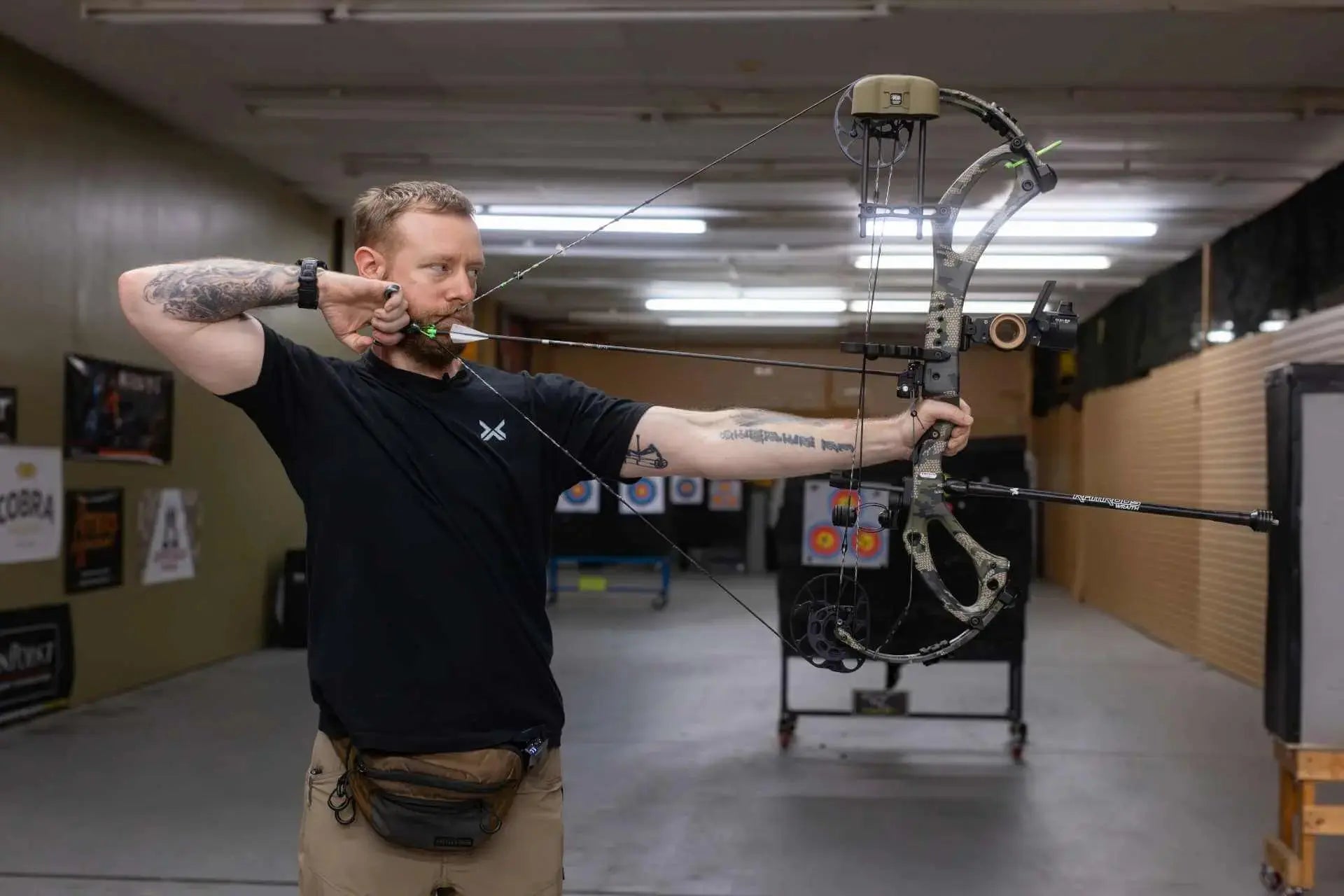
Archery equipment is quiet, lightweight, and requires manual loading. Shooting equipment is heavier, often louder, and uses mechanical or electronic firing.
Pro Tip: Always check local rules before buying equipment. Some countries have strict laws about firearms.
Physical And Mental Skills
Both sports demand high levels of skill, but the exact abilities needed are different.
Physical Skills In Archery
- Strength: Drawing a bow requires upper body strength, especially with higher draw weights.
- Balance: Archers stand still, keeping their posture steady.
- Coordination: Releasing the string smoothly affects arrow flight.
Physical Skills In Shooting
- Stability: Shooters must hold the gun steady, sometimes for long periods.
- Endurance: Shooting sessions can last hours, demanding stamina.
- Fine motor control: Trigger squeeze must be gentle and precise.
Mental Skills
Both sports are mentally demanding. Shooters and archers must stay calm under pressure, block distractions, and focus on each shot.
Example: In my experience, archery requires a “quiet mind” when aiming. In shooting, controlling your breathing helps steady your aim.

Credit: goldtip.com
Competition Formats
Archery and shooting offer a variety of competition styles. Understanding these formats can help you decide which sport to try.
Archery Formats
- Target Archery: Standard format, shooting at round targets from set distances.
- Field Archery: Shooting at targets in natural settings, with varied distances.
- 3D Archery: Targets are shaped like animals, used for hunting practice.
- Team Events: Groups of archers combine scores.
Shooting Formats
- Rifle Shooting: Precision at long distances. Prone, standing, and kneeling positions.
- Pistol Shooting: Shorter distances, focus on accuracy and speed.
- Shotgun Shooting: Hitting moving clay targets (“trap” or “skeet”).
- Rapid Fire: Shooters fire quickly, testing speed and control.
Some competitions mix formats, such as biathlon (skiing and shooting), or archery biathlon (skiing and archery).
Differences In Scoring And Judging
The way scores are counted and judged is a key difference between archery and shooting.
Archery Scoring
Archers get points for each arrow based on where it lands. Judges check the target after each round. If an arrow touches two rings, the higher score counts.
Shooting Scoring
Shooters get points for each bullet hole. Electronic systems often measure scores, especially in major events. Shooters can challenge scores using video or electronic review.
Mistakes in scoring are rare, but can change rankings. Competitors must trust judges and scoring technology.
Safety And Regulations
Safety is a top priority in both sports, but the risks are different.
- Archery: Main dangers are misfired arrows or accidents with sharp points. Safety rules require clear shooting lines, waiting for signals, and wearing arm protection.
- Shooting: Risks include firearm discharge, ricochet, and hearing damage. Rules are strict about gun handling, range control, and protective gear.
Every competition has trained officials to enforce safety. Clubs require members to pass safety tests and follow protocols.
Warning: Never ignore safety rules. Both sports require respect for equipment and fellow competitors.
Popularity And Participation Worldwide
Archery and shooting have millions of fans and participants around the world.
- Archery: More than 70 countries compete in international events. Olympic archery is watched by millions. Schools and camps often teach archery as a basic skill.
- Shooting: Shooting sports are popular in the US, Europe, Asia, and Australia. The ISSF lists over 150 national federations.
Some regions favor one sport over the other. For example, archery is more common in Korea and Turkey, while shooting is strong in Switzerland and the United States.
Accessibility And Cost
Many beginners wonder which sport is easier to start. Both have unique barriers.
- Archery: Entry-level bows are affordable, with prices starting around $100. Clubs often rent equipment. Outdoor and indoor ranges are common.
- Shooting: Firearm costs range from $200 to thousands. Ammunition and range fees add up. Legal restrictions may require permits or background checks.
| Factor | Archery | Shooting |
|---|---|---|
| Initial Cost | Lower | Higher |
| Legal Restrictions | Few | Many (varies by country) |
| Range Availability | Widespread | Limited in some areas |
| Maintenance | Minimal | Regular cleaning needed |
If you’re on a budget or live in a city, archery is often easier to access. Shooting may require travel, permits, or extra training.
Competitive Culture And Community
The culture of archery and shooting competitions is shaped by tradition and social values.
- Archery: Seen as peaceful, meditative, and supportive. Clubs welcome all ages, and teamwork is valued.
- Shooting: Focuses on discipline, precision, and competition. Some clubs are very formal, with strict rules.
Both sports have strong communities. Online forums, local clubs, and international events connect enthusiasts. Many people build lifelong friendships and learn teamwork.

Credit: www.youtube.com
Training And Preparation
Success in archery and shooting comes from consistent training. Here’s how athletes prepare:
- Archery: Practice focuses on form, repetition, and mental control. Coaches give feedback on grip, stance, and release.
- Shooting: Training includes dry firing (practicing without ammunition), breathing exercises, and technical drills.
Pro Tip: Start with a coach or club. Self-teaching is possible, but guidance speeds up learning and avoids bad habits.
Major Competitions And Olympic Events
Both sports feature in the Olympic Games and have their own world championships.
Archery At The Olympics
- Events: Recurve bow, individual and team.
- Distances: 70 meters for outdoor events.
- Medal countries: South Korea, the US, Italy.
Shooting At The Olympics
- Events: Rifle, pistol, shotgun.
- Distances: 10m (airgun), 25m, 50m.
- Medal countries: China, US, Russia.
Outside the Olympics, each sport has world championships, continental cups, and local tournaments.
Credit: extremeoutfitters.com
Common Mistakes For Beginners
Starting out in archery or shooting? Here are common errors:
- Ignoring safety protocols
- Using incorrect equipment
- Skipping warm-up and training
- Rushing shots or arrows
- Not seeking advice from experienced shooters or archers
Mistakes are part of learning. With patience and guidance, most beginners improve quickly.
Choosing Between Archery And Shooting
How do you pick? It depends on your goals and situation.
- If you want a quiet, peaceful sport: Archery is ideal.
- If you enjoy precision and technical challenges: Shooting may suit you.
- For budget and accessibility: Archery is usually easier.
- For speed and excitement: Shooting events like rapid fire or skeet are thrilling.
Try both if possible. Many clubs offer introductory sessions. Your personality and interests will guide you.
Environmental Impact
A lesser-known difference is the environmental footprint.
- Archery: Arrows are reusable, bows last years, and ranges use minimal resources. Some targets are biodegradable.
- Shooting: Firearms require ammunition, which may contain lead. Ranges need regular cleaning and safety controls.
Some shooting clubs use eco-friendly pellets and recover lead. Archery is generally seen as more sustainable.
Gender And Age Inclusion
Both sports are open to all ages and genders. Archery has youth and senior divisions. Shooting offers junior, women’s, and men’s events.
Archery is often recommended for children and older adults, as it is low-impact. Shooting requires more strength and focus but welcomes all.
Example: Many Olympic archers are under 25, while top shooters can compete into their 50s.
Technology And Innovation
Modern technology has changed both sports.
- Archery: Carbon fiber arrows, laser sights, and advanced bows make the sport more accurate.
- Shooting: Electronic targets, smart scopes, and custom ammunition improve performance.
Some purists prefer traditional equipment, but most competitions allow modern gear. Technology can make learning easier.
Health And Fitness Benefits
Both sports offer health advantages.
- Archery: Builds upper body strength, improves posture, and sharpens mental focus.
- Shooting: Enhances hand-eye coordination, concentration, and steady breathing.
Neither sport burns many calories compared to running or cycling, but they reduce stress and build confidence.
Comparison Summary
To help you see the main differences and similarities at a glance, here’s a summary:
| Aspect | Archery | Shooting |
|---|---|---|
| Main Equipment | Bow and arrows | Firearm and bullets |
| Noise Level | Low | High |
| Legal Barriers | Few | Many |
| Skill Focus | Form, release, mental calm | Trigger control, breath, technical precision |
| Popularity | Global, growing | Strong, especially in some regions |
Frequently Asked Questions
What Is The Best Age To Start Archery Or Shooting Competitions?
Most archery clubs accept children as young as 8 years old. Shooting clubs usually require participants to be at least 12, sometimes older, due to safety rules. Adults of any age can start both sports. Many seniors enjoy archery because it is gentle on the joints.
For shooting, some ranges have age restrictions and require parental supervision.
Can You Compete In Both Archery And Shooting Events?
Yes, but it is rare at a high level. Both sports need unique skills and training. Some clubs offer both, so you can try each and see which you prefer. A few biathlon events combine shooting with other sports, but archery and shooting are not usually combined in one competition.
What Are The Biggest Challenges For Beginners In Archery V Shooting Competitions?
For archery, learning proper form and controlling nerves is a major challenge. For shooting, handling firearms safely and mastering trigger control takes time. In both sports, patience and regular practice are key. Beginners often struggle with consistency and confidence.
How Do I Find Competitions Or Clubs Near Me?
Start by searching online for local archery or shooting clubs. National sport federations often list clubs and events. Try visiting a club and asking about beginner classes. Many clubs have open days where you can watch competitions or even try the sport.
For official information, check sources