Winter Target Stand DIY: Materials That Hold Up
Build a winter target stand with clearance under the frame, a way for meltwater to drain, and hardware you can tighten again after the first cold snap; use rot-resistant lumber or steel, galvanized or stainless fasteners, and slotted joints or rubber isolation so freeze-thaw movement does not work the frame loose. Without those details, wood swells, bolts back out, and the stand tips or splits after a few cold snaps. This guide covers materials, frame layouts, footing choices, and fasteners that stay dependable through repeated freeze-thaw cycles.
What you’ll need


- 2×4 lumber, treated if the stand will stay outdoors
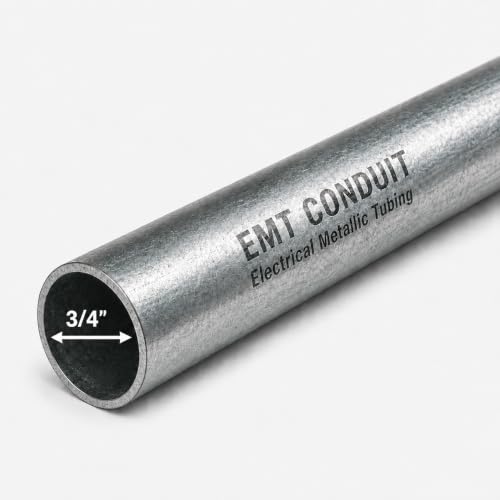
- Electrical conduit or metal conduit for a lighter frame
- Aluminium square tube if a rigid metal build is preferred
- PVC conduit only for light foam-face setups
- T-posts for uneven ground or heavy steel targets
- Carriage bolts, washers, and locknuts for pivot points
- Chain or webbing for a spread limiter
- Galvanized or stainless hardware
- Drill, saw, file, measuring tape, wrench set, and gloves, eye protection, and sturdy footwear
- Rubber feet, shims, or gravel for drainage and leveling
Which materials hold up best in winter?
The best winter material depends on load, ground condition, and how much maintenance you will tolerate. For many backyard archers, treated 2x4s are often easy to build, conduit and aluminium are often better when moisture and transport matter, and T-posts are commonly used for uneven ground or heavy steel targets.
2×4 wood frame
A 2×4 frame is easy to cut, assemble, and replace, which is why it stays common. The tradeoff is winter wear: repeated impacts can splinter wood, untreated stock can warp, and sitting in wet soil speeds rot. Treated lumber helps reduce warping, but the frame still needs drainage and inspection.
Metal conduit and aluminium square tube
Metal conduit stands are lightweight and weather resistant, so they move well between seasons. Aluminium square tube is lighter than timber, rigid when bolted correctly, and better for wet conditions, but it costs more and usually needs basic metalworking or a hacksaw and file. Conduit and aluminium also avoid the swelling that can loosen wood joints.
PVC conduit and T-posts
Standard PVC is very light and cheap, which makes it useful for foam faces and light targets. It is a poor choice for repeated winter vibration, because PVC can crack in cold weather. T-post stands are durable, weather resistant, and excellent for heavy steel targets, especially on uneven or hilly terrain, but rocky soil makes installation hard.
Winter target stand material matrix
This matrix is the quickest way to match a build to winter conditions. It separates freeze-thaw resistance from portability and target load, which matters because a stand that survives cold can still fail if the base is too narrow or the joints loosen under weight.
| Material | Freeze-thaw resistance | Fastener loosening risk | Ground conditions | Portability | Target weight range |
|---|---|---|---|---|---|
| 2×4 wood frame | Moderate; needs treated lumber and drainage | Moderate to high if screws only are used | Best on drained, level soil | Lower; bulkier and heavier | Foam, bag, and light-to-medium targets |
| Metal conduit | High; handles wet and cold well | Moderate if pivot hardware is not locked | Good on frozen or damp ground | High; lightweight | Light to several steel targets, depending on span |
| Aluminium square tube | High; does not rot | Low to moderate with bolted joints | Good on wet or frozen sites | High; lighter than timber | Light to medium targets |
| PVC conduit | Low in cold weather | High under repeated vibration | Best on dry, mild setups | Very high | Foam faces and very light targets |
| T-post build | High | Low once driven properly | Best on uneven or hilly terrain | Medium; posts are awkward to move | Heavy steel targets |
Recommended pick by scenario: frozen backyard: metal conduit or treated 2×4 with feet off the soil; muddy thaw: conduit or aluminium square tube; uneven field edge: T-posts.
How do you build a stable winter stand?
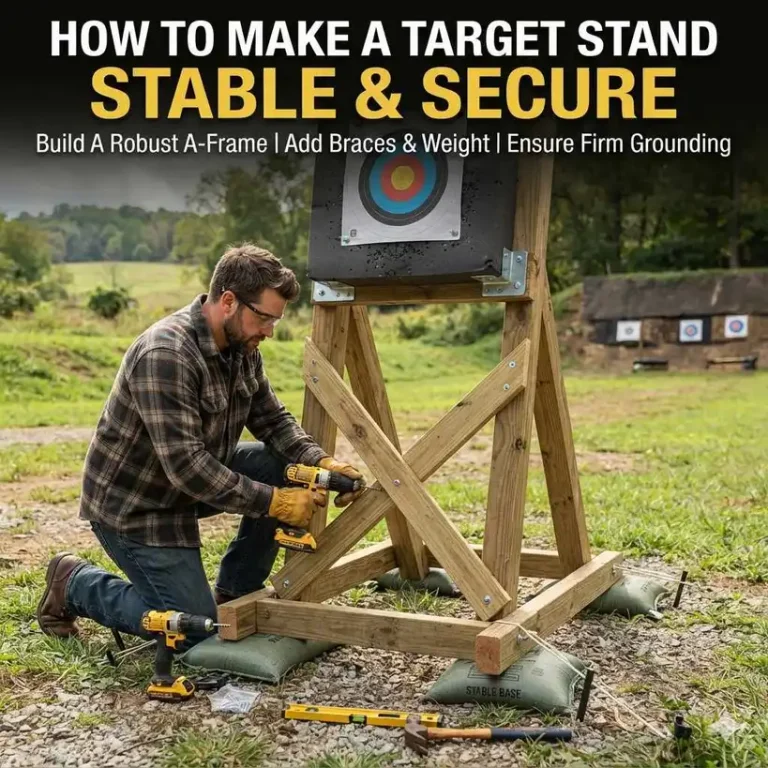
Use an A-frame with a wide base, a rear brace or spread limiter, and pivot hardware that can be tightened after the first few freezes. The goal is simple: let the frame move a little without loosening, while keeping the target centered so the load does not pull the stand forward.
- Measure the target and make the base at least as wide as the target face.
- Cut two legs and a crossbar to suit the frame; the timber example uses two 150 cm legs and one 60 cm crossbar.
- Drill pivot holes for carriage bolts instead of relying on screw threads alone.
- Install washers on both sides of each joint, then lock them with wing nuts or locknuts.
- Add a chain or webbing spread limiter so the legs cannot open past the set angle.
- Keep the feet off wet soil with gravel, rubber pads, or short blocks.
- Hang or strap the target so the load sits centered between the legs.
- Tighten hardware after setup, then recheck after the first freeze-thaw cycle.
A carriage bolt pivot with washers and a locknut holds up better than a friction-only joint. Friction joints can creep as wood swells and contracts. A pinned or chained spread limiter keeps the A-frame angle fixed even when the soil softens under thaw.
Suppose a roughly 24-inch foam face hangs on a narrow wood frame in a shaded backyard. The stand may look fine at noon, then loosen after an overnight freeze and afternoon thaw because the feet sink unevenly and the joints shift. A wider base and a chain limiter stop that sequence.
What design works on frozen, muddy, or uneven ground?
Frozen ground favors a light, drained stand that can sit on top of the surface. Muddy thaw needs wider feet and less point pressure. Uneven field edges are where T-posts shine, because they hold position better than a narrow wood frame and do not depend on a perfectly flat pad.
Frozen backyard
Use conduit or treated wood, but keep the base off the soil with gravel or pads. Do not bury feet in frozen ground; once thaw starts, the stand can settle unevenly. A low center of gravity matters here, so keep the target close to the frame and avoid tall uprights.
Muddy thaw
Pick a wider A-frame or aluminium square tube build with broad feet. Spread the load across more surface area and avoid narrow contact points. If the stand sinks, add a larger base plate or move to a drier line; mud is a common cause of tip-over after thaw softens the top layer.
Uneven field edge
T-posts are the cleanest answer on slopes, ruts, or rough pasture. They stay put where a square wood base twists. If the terrain is rocky, though, installation becomes difficult and a sledgehammer or T-post driver is usually required. For light targets, a conduit frame can still work if leveled carefully.
How wide should the base be on a DIY target stand?
The base should be at least as wide as the target, and wider for heavier bag targets. A narrow footprint is a common tip-over cause, especially when thaw softens the ground or wind catches a large face. If the target is broad, the legs need more spread, not less.
Legend Archery recommends a base width at least equal to the target width, which is a sensible floor for winter use. For a heavy bag target, go wider than the bag itself so the center of mass stays inside the feet. That matters more in wet snow and thaw than on dry ground.
How do I keep a target stand from rotting or warping outdoors?
Keep wood off the ground, use treated lumber, and let water drain away from every horizontal surface. Rot starts where moisture lingers, and warping gets worse when one side of the frame stays wet longer than the other. Metal avoids rot, but it still needs corrosion-resistant hardware.
- Use treated lumber for any wood that will stay outside.
- Seal end grain where cuts expose fresh fibers.
- Set feet on gravel, not bare soil.
- Leave small drainage gaps so meltwater can leave the frame.
- Store wood off the ground when not in use.
ToolsRadar describes a wooden target stand as very delicate and says it should not be left in rain, which fits winter use as well. Repeated soak-and-freeze cycles are harder on wood than a single wet day. If storage space is limited, conduit or aluminium is the safer choice.
What hardware should I use so a folding target stand does not loosen over time?
Use carriage bolts at pivots, washers on both sides, and locknuts or wing nuts that can be retightened. Avoid friction-only joints and rely on a spread limiter, not wood-to-wood pressure, to hold the angle. In winter, the best joint is one that can be checked by hand and reset quickly.
Galvanized hardware is a practical default outdoors, and stainless hardware is often better where corrosion is a concern. Screws alone can back out when the frame flexes. A bolted pivot with a washer stack spreads load better than a bare screw hole, which can oval out after repeated freeze-thaw movement.
Common mistakes
Most winter failures come from small setup errors, not from the first hard freeze. The fixes are simple, but they need to be built in from the start.
- Narrow base width: match or exceed the target width so the stand does not tip.
- Friction-only joints: use bolts, washers, and locknuts instead of loose pivots.
- Wrong material for the load: keep PVC for foam and light targets only; move to wood, conduit, aluminium, or T-posts for heavier setups.
- Skipping winter checks: retighten hardware after thaw cycles and clear drainage paths.
- Leaving wood on wet ground: raise feet on pads, gravel, or blocks.
Say a 20-inch foam face sits on a PVC frame in a cold garage apron. The first warm day softens the soil, the next night freezes it, and one side drops. The fix is not more tape; it is a stiffer frame, wider feet, and hardware that stays tight.
Frequently asked questions
What materials hold up best for a target stand in winter?
For most winter setups, treated wood, metal conduit, and aluminium square tube hold up better than standard PVC. T-posts are the strongest option for uneven ground and heavy steel targets. The right choice depends on whether the stand needs portability, load capacity, or the ability to sit in wet and frozen soil.
Will PVC crack in freezing weather for a target stand?
Yes, standard PVC can crack in cold weather, especially with repeated arrow impact vibration. It is better reserved for foam faces and very light targets. If PVC must be used, keep the span short, avoid heavy loads, and inspect the joints before each winter session.
What is the best stand design for uneven ground in winter?
A T-post design is usually best on slopes, ruts, or hilly terrain because it anchors directly into the ground. If you prefer a framed stand, use a wide A-frame with a low center of gravity and a spread limiter. Avoid narrow legs that can twist as the soil softens.
Should I use treated wood, conduit, or T-posts for a winter target stand?
Use treated wood if you want an easy build and do not mind more maintenance. Choose conduit or aluminium square tube for a lighter, more weather-resistant frame. Pick T-posts when the ground is uneven and the target is heavy steel. The best answer depends on terrain and load, not one material alone.
How do I make a target stand more stable in wet or frozen soil?
Raise the feet on gravel or pads, widen the base, and keep the load centered. In wet soil, spread the pressure over more surface. In frozen soil, avoid forcing feet deep into the ground; sit the stand on top and let drainage move meltwater away from the contact points.