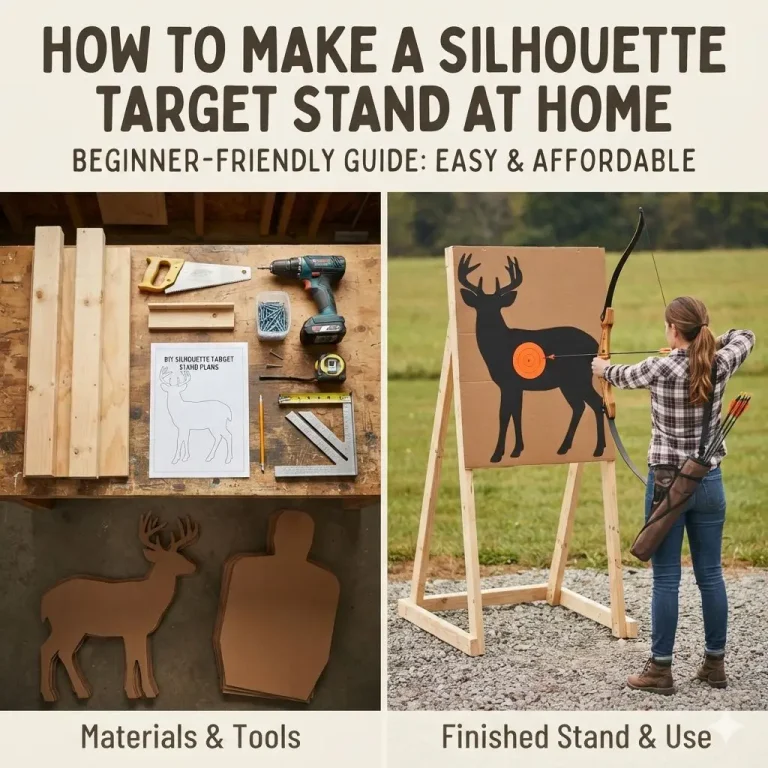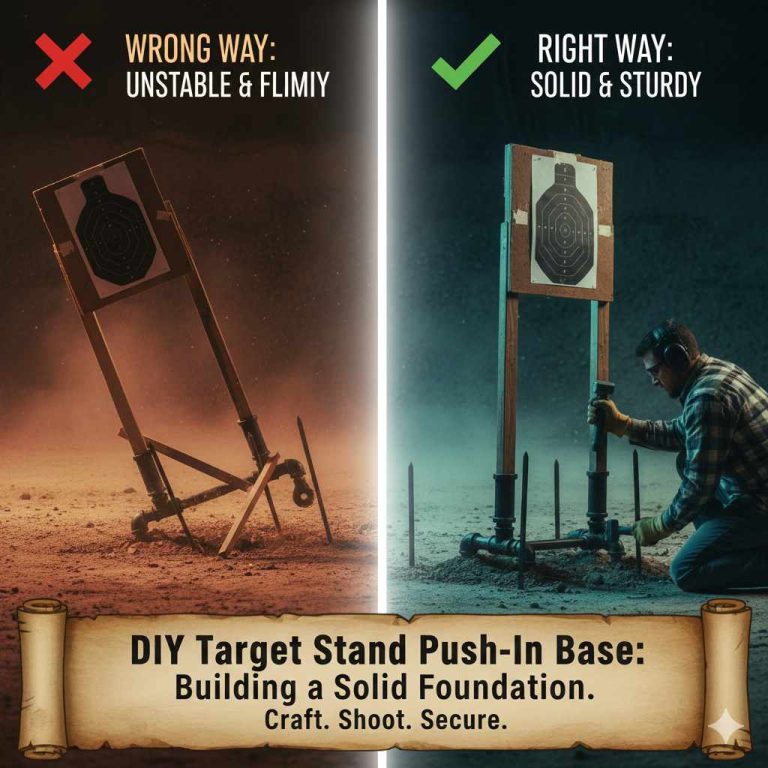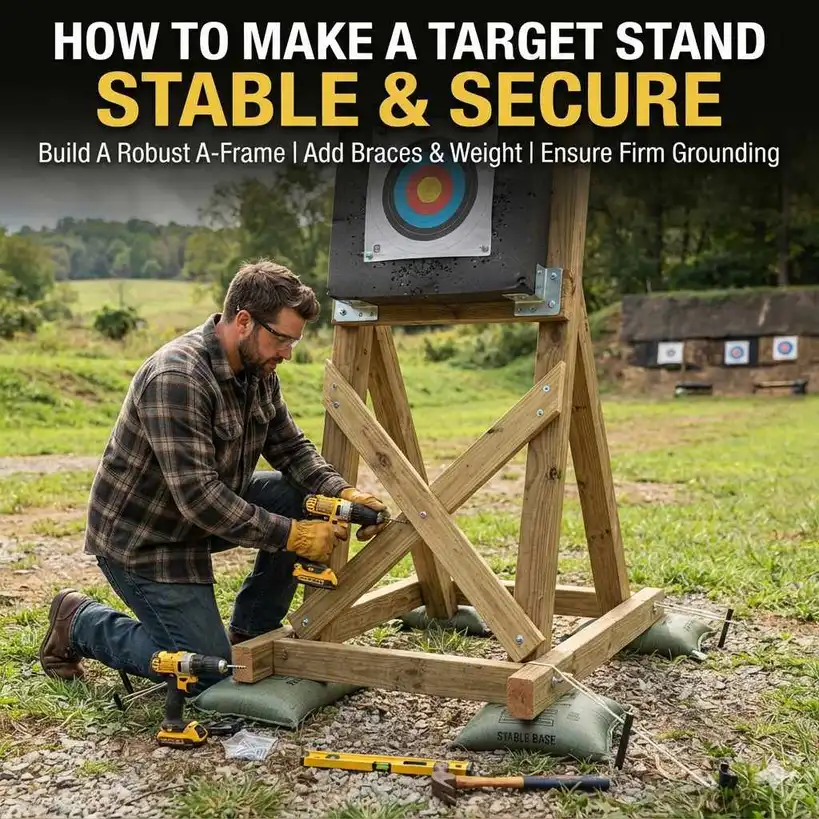
How To Make A Target Stand Stable & Secure
It’s frustrating when your target stand wobbles or tips over. You just want to practice your aim, but the stand has other ideas. This problem can really cut short your fun.
It might even make you wonder if you should even bother. But don’t give up! Making a target stand steady is totally doable.
We’ll go through simple steps to get it solid. You’ll soon be hitting your mark without worry.
A stable target stand keeps your practice safe and fun. This guide shows you how to achieve a secure setup. It covers anchoring, setup tips, and common issues to avoid. You’ll learn to make your stand rock-solid.
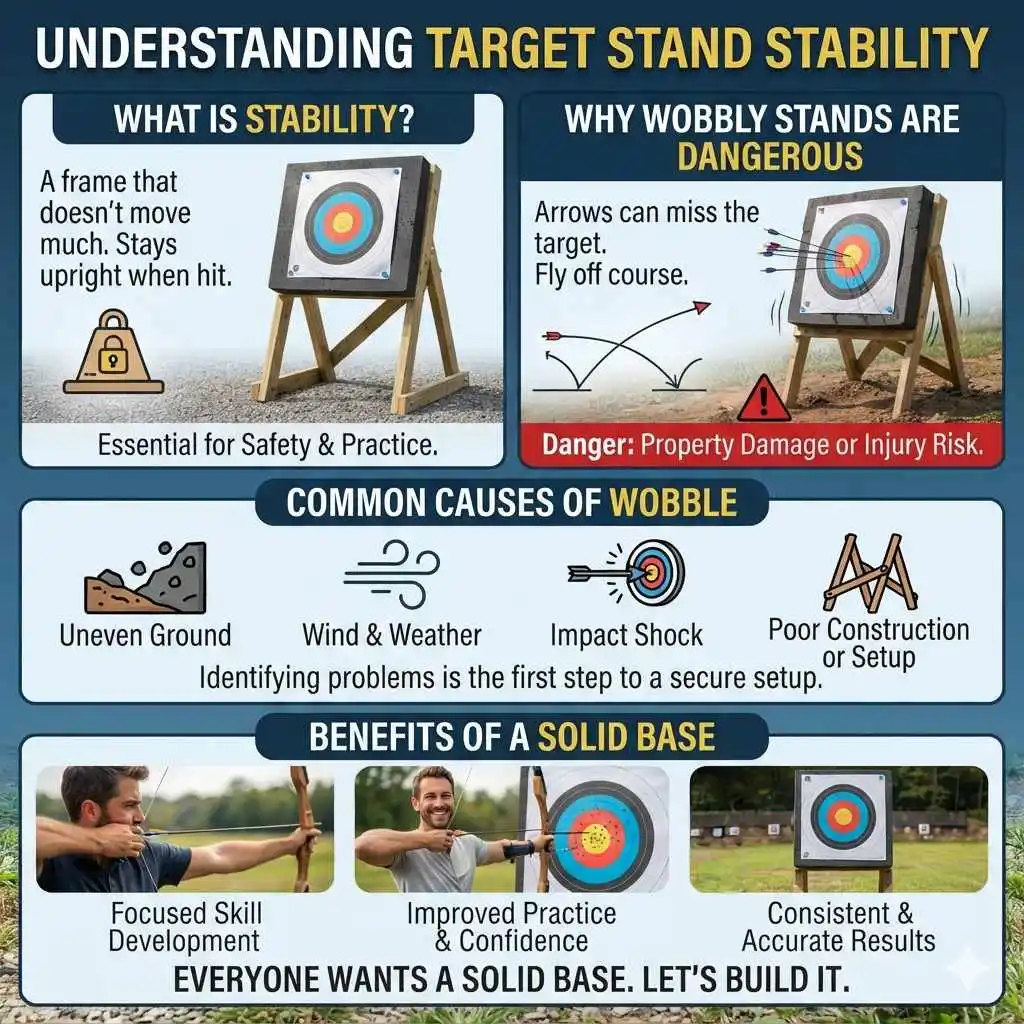
Understanding Target Stand Stability
A target stand is a frame. It holds your target where you can shoot at it. Stability means it doesn’t move much.
It stays upright even when hit. A shaky stand is annoying. It can be dangerous too.
Arrows might miss the target. They could fly off course. This can damage property or hurt someone.
Why do stands get wobbly? Many reasons. The ground might be uneven.
Wind can push them. The impact of an arrow or bullet can shake them. Sometimes, the stand itself isn’t built strong.
Or, it’s just not set up right. Understanding these things helps us fix them.
A stable target setup lets you focus on your skill. You can practice more. You build confidence.
You get better results. This is what everyone wants. We just need a solid base to work from.
Let’s talk about what makes a good stand.
My Own Target Stand Wobble Story
I remember my first real target stand. It was a simple wooden A-frame. I got it online.
It looked pretty good in the pictures. I set it up in my backyard. The grass was a bit bumpy, but I figured it was fine.
I put my target on it. I grabbed my bow. I took a shot.
Target stand stability was not a thing.
The stand shook so hard, my target nearly fell over. I shot again. This time, it leaned.
I started to get annoyed. This was supposed to be fun! I tried adjusting it.
I kicked at the legs. I wedged some rocks under one side. It helped a little.
But then the next shot made it worse. I remember feeling this mix of frustration and panic. What if it just toppled over onto something?
That day, I learned a big lesson. Just having a stand isn’t enough. You need a stable stand.
It took me a while to figure out how to truly secure it. But once I did, my practice sessions changed completely. It became much more enjoyable and productive.
Why Stability Matters Most
Safety First: A stable stand prevents accidents. It keeps targets and arrows where they should be. This protects people and property.
Accurate Practice: Wobbling targets make practice sessions useless. You need a steady aim point. This helps you improve your skills correctly.
Longevity of Gear: Constant shaking can damage your target. It can also stress the stand itself. A stable setup makes things last longer.
Peace of Mind: Knowing your setup is secure lets you relax and focus. You can enjoy your activity without worry.
Choosing the Right Target Stand
Not all target stands are made equal. Some are better for certain uses. Think about what you’ll do.
Will you shoot at targets often? Do you move your setup a lot? What kind of targets will you use?
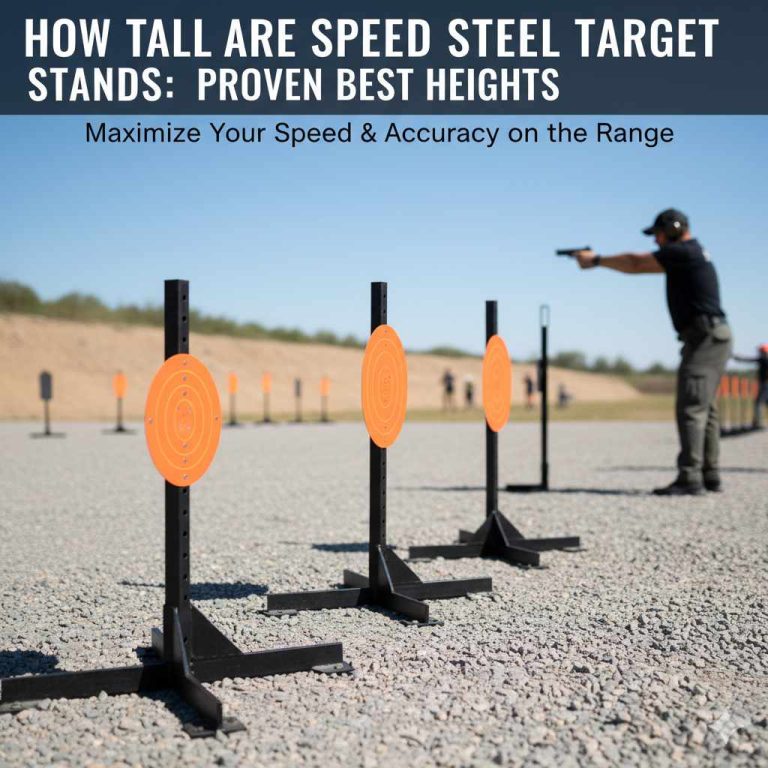
There are many types. Some are simple metal frames. Others are sturdy wooden designs.
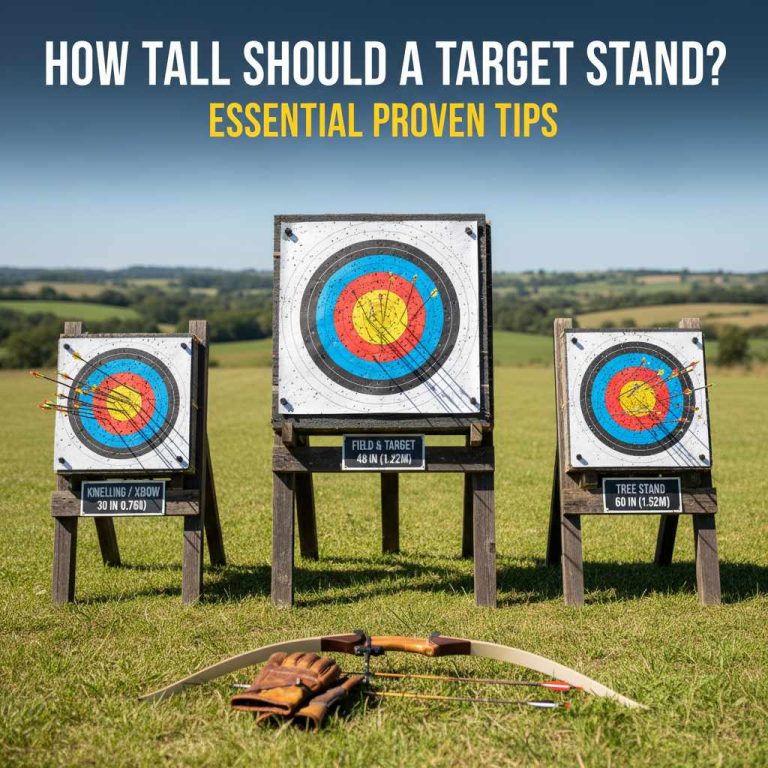
Some are made for archery targets. Others are for shooting paper targets. Many are adjustable.
This can help with uneven ground.
A good stand has strong legs. It should have a wide base. This makes it harder to tip.
Look for stands that have ways to anchor them. This is super important for stability. Think about the weight of your target too.
A heavy target needs a stronger stand.
If you plan to shoot a lot, invest in a good stand. It’s worth it. A cheap, flimsy stand will only cause problems.
It will be a constant source of frustration. A well-built stand is the first step to a stable setup. You don’t need the most expensive one.
Just one that is well-made and fits your needs.
Stand Types to Consider
- Metal Frame Stands: Often lightweight and portable. Good for frequent moves. Can sometimes be less stable in wind.
- Wooden A-Frame Stands: Very sturdy and classic. Offer good stability. Can be heavier and less portable.
- Adjustable Leg Stands: Excellent for uneven terrain. Lets you level the stand easily.
- Bag Stands: Designed to hold heavy archery bags. Very stable due to the bag’s weight.
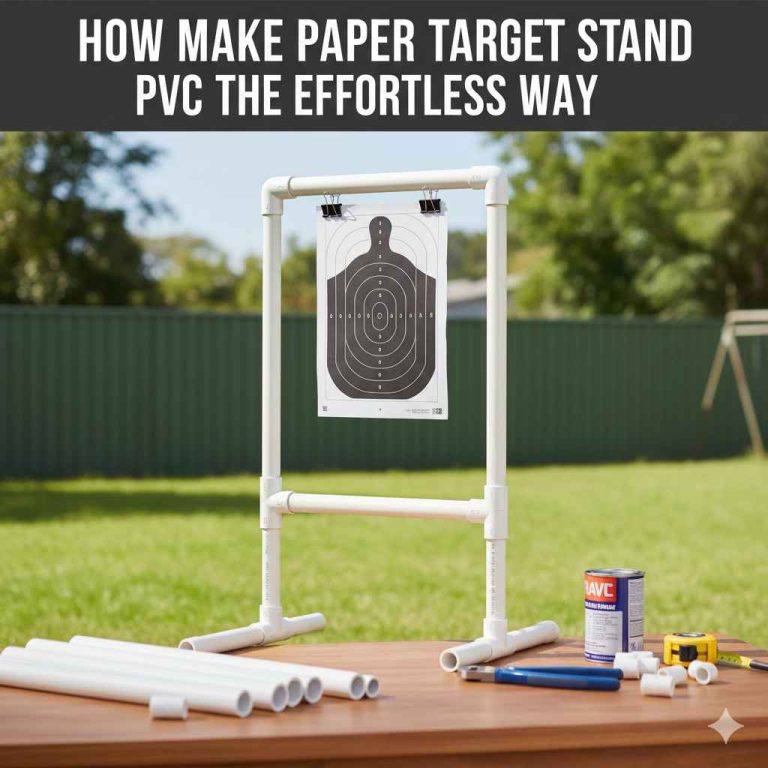
- DIY Stands: You can build your own! This lets you customize size and strength.
The Foundation: Ground Conditions
The ground beneath your target stand is critical. Even the best stand will wobble if it’s on soft, uneven dirt. Or if it’s on a slope.
Think of building a house. You need a solid foundation. Your target stand needs one too.
What’s your typical shooting spot like? Is it grass? Is it dirt?
Is it gravel? Is it concrete? Each has its own challenges.
Soft ground is tricky. The legs can sink in. This makes the stand tilt.
Hard ground is better, but still needs care.
If the ground is uneven, you need to level it. You can dig out high spots. You can build up low spots.
Use a small shovel for this. A spirit level can help you check. Make sure all legs sit firmly on the ground.
No wobbling before you even put the target on.
Consider the weather. If you shoot after rain, the ground will be soft. Avoid shooting in very wet conditions if possible.
Or, be extra careful about leveling. If you shoot on concrete, the hard surface is good. But it might be harder to anchor the stand.
We’ll cover anchoring later.
Taking time to prepare the ground is not wasted effort. It’s the most important step. It ensures your stand will be steady.
It makes all other efforts pay off. A little digging goes a long way.
Ground Prep Checklist
Assess Your Surface: Is it flat? Is it firm? Is it soft?
Level the Area: Use a shovel to remove high spots. Fill in low spots for a flat base.
Check for Firmness: Press down on the ground. It should feel solid underfoot.
Consider Weather: Wet ground is less stable. Avoid setting up on soggy soil.
Use a Level: Place a spirit level on the stand’s base. Adjust ground until it’s perfectly flat.
Anchoring for Ultimate Security
This is where most people fall short. They think the stand is enough. But for true stability, you need to anchor it down.
Anchoring means fixing it to the ground. This stops it from moving at all. Think of tent stakes.
They keep a tent from blowing away.
There are many ways to anchor. What works best depends on your stand and your ground. For soft ground, like grass or dirt, stakes are great.
You can buy specialized ground stakes for target stands. These are long and strong. They go deep into the earth.
You attach the stakes to the legs of your stand. Use strong rope or bungee cords. Make sure the cords are tight.
The stakes should go into the ground at an angle. This gives them more holding power. They pull away from the stand, not towards it.
For harder ground, like gravel or packed dirt, stakes might not work well. You can use weights. Heavy sandbags are a popular choice.
You can also use concrete blocks or metal weights. Place these on the base of the stand. Make sure they are secure and won’t fall off.
If you shoot on concrete, you might need a different approach. Some stands have holes in their legs. You can drill into concrete and use anchors.
Or, you can use heavy-duty clamps to attach the stand to a fixed object. Be creative here. The goal is to prevent any movement.
Don’t skip this step. Anchoring is the secret to a truly stable target setup. It makes a huge difference.
It turns a wobbly stand into a rock. It makes practice much safer and more effective. I learned this the hard way.
Now, I never set up without anchoring.
Anchoring Methods
Ground Stakes: Best for soft ground (grass, dirt). Drive them deep at an angle. Attach securely to stand legs.
Sandbags/Weights: Good for harder surfaces or when stakes aren’t an option. Place on the stand’s base. Ensure they won’t slide off.
Concrete Anchors: For permanent setups on concrete. Requires drilling into the surface.
Clamps: Useful for attaching to existing structures. Use heavy-duty, secure clamps.
Guy Lines: Like tent guy lines. Run ropes from the stand to secure points. Adds extra stability.
Target Weight and Balance
The weight and balance of your target are also important. A very heavy target can make a light stand unstable. It adds extra stress.
Even a light target can cause problems if it’s not balanced.
If you use a large, heavy archery target, make sure your stand can handle it. Check the stand’s weight limit. Don’t overload it.
A good stand will have a wide base. This helps distribute the weight. It makes it harder to tip.
Paper targets are lighter. But they can still cause issues. How you attach them matters.
If they’re not centered, the stand can become unbalanced. This is especially true if there’s a strong wind. The wind catches the target like a sail.
Try to keep your target centered on the stand. For paper targets, use a sturdy backing board. Attach the paper to the board.
Then, attach the board to the stand. This keeps the weight distribution even. It prevents the target from flapping around too much in the wind.
If you have a very light target, consider adding some weight to the stand itself. This isn’t the same as anchoring. It’s about adding mass to the stand.
Sandbags on the legs can help here too. They add weight and stability. Just be sure they don’t interfere with your shooting.
Think about your target as part of the system. Its weight and how it’s mounted affect everything. A balanced target on a well-prepared, anchored stand is key.
It’s a team effort for stability.
Target Considerations
Target Weight Limit: Always know the weight your stand can safely hold. Don’t exceed it.
Balance is Key: Ensure your target is centered on the stand. Avoid lopsided setups.
Wind Factor: Lightweight targets catch wind easily. This can cause instability. Consider windbreaks or heavier anchors.
Backing Boards: For paper targets, use a solid backing board. This adds structure and even weight.
Target Type: Heavy archery bags are naturally stable. Paper targets require more setup care.
Wind: The Silent Saboteur
Wind is a major enemy of target stand stability. Even a gentle breeze can make a wobbly stand worse. A strong gust can knock it right over.
This is where anchoring becomes absolutely essential.
If you’re setting up for a day of shooting, check the weather forecast. If it’s windy, you need to be extra diligent. Extra stakes.
More weights. Maybe even guy lines from the stand to nearby sturdy objects.
Consider the size and shape of your target. A large, flat surface catches more wind. Think of it like a sail.
This pushes against the stand. A dense archery bag target is more aerodynamic. It doesn’t catch as much wind.
What can you do about wind? If it’s very windy, it might be best to postpone your session. Safety first, always.
If it’s moderately windy, focus on your anchoring. Make sure everything is as secure as possible. You might need to reinforce your setup.
Sometimes, you can position your stand strategically. If there’s a fence or a building nearby, you might be able to shoot with that structure at your back. This can block some of the wind.
But be careful not to shoot towards it.
Learn to read the wind. Notice how it affects your setup. If you see the target moving, or the stand starting to sway, stop.
Re-secure everything. Don’t risk an accident. Wind is unpredictable.
Always be prepared for it.
Dealing with Specific Target Stand Issues
Sometimes, even with good preparation, you might run into problems. Let’s look at a few common ones and how to fix them.
Common Wobble Woes & Fixes
Problem: Legs sinking into soft ground.
Fix: Use wider feet or “ground plates” on the legs. These spread the weight over a larger area. You can buy these, or sometimes make them from plywood.
Also, pack the ground firmly before setting up.
Problem: Stand is rusty or has loose joints.
Fix: Clean off rust with a wire brush. Apply a rust-inhibiting paint. For loose joints, tighten any bolts or screws.
If it’s a welded joint that’s broken, you might need professional repair or a new stand.
Problem: Target is pulling the stand to one side.
Fix: This usually means the target is unbalanced or the stand isn’t stable enough. Ensure the target is centered. Strengthen your anchoring.
Use more weights or stakes. If the stand itself is flimsy, it might be time for an upgrade.
Problem: Stand is hard to set up or adjust.
Fix: Check for bent parts. Lubricate any moving joints with a spray lubricant. Make sure you understand how your specific stand’s adjustment mechanisms work.
Read the manual if you have it.
When to Upgrade Your Target Stand
Sometimes, no matter how much you try, a stand just isn’t good enough. It’s a constant battle to keep it stable. If you find yourself spending more time fixing your stand than shooting, it might be time for a new one.
Look for stands made from stronger materials. Steel or thick hardwood is usually best. A wider base is always good.
Check reviews from other users. What do they say about stability?
Consider your shooting goals. If you’re just casually shooting a few arrows now and then, a basic stand might be okay if you’re careful. But if you’re serious about improving, or shoot frequently, a robust, well-built stand is essential.
It’s an investment in your practice.
A good stand will have features that help with stability. Like rubber feet for grip. Or pre-drilled holes for easy anchoring.
Adjustable legs are a must if you shoot in different locations. Don’t be afraid to spend a bit more for quality. It will save you hassle and improve your experience.
Setting Up for Different Activities
The principles of stability apply to many activities. Whether you’re into archery, rifle shooting, or even just backyard games, a steady setup is important.
Archery: For bows, especially compound bows, arrow impacts can be powerful. A stable stand is crucial. You’ll often use large, heavy bag targets.
These add their own weight, helping stability. But they still need anchoring, especially in wind.
Rifle/Pistol Shooting: Paper targets are common here. These are lighter. Wind is a bigger factor.
Balancing the target and securing the stand firmly are key. Make sure your setup is clear of any backstop issues.
Other Uses: For things like target practice with BB guns or slingshots, the stakes might be lower. But even then, a stable target is more fun. It gives you a better sense of accuracy.
Avoid anything that could easily tip and cause a hazard.
The core idea is always the same: a secure base. For every activity, think about the forces involved. How heavy are the projectiles?
How strong is the wind? What’s the ground like? Answering these questions helps you choose the right stand and set it up correctly.
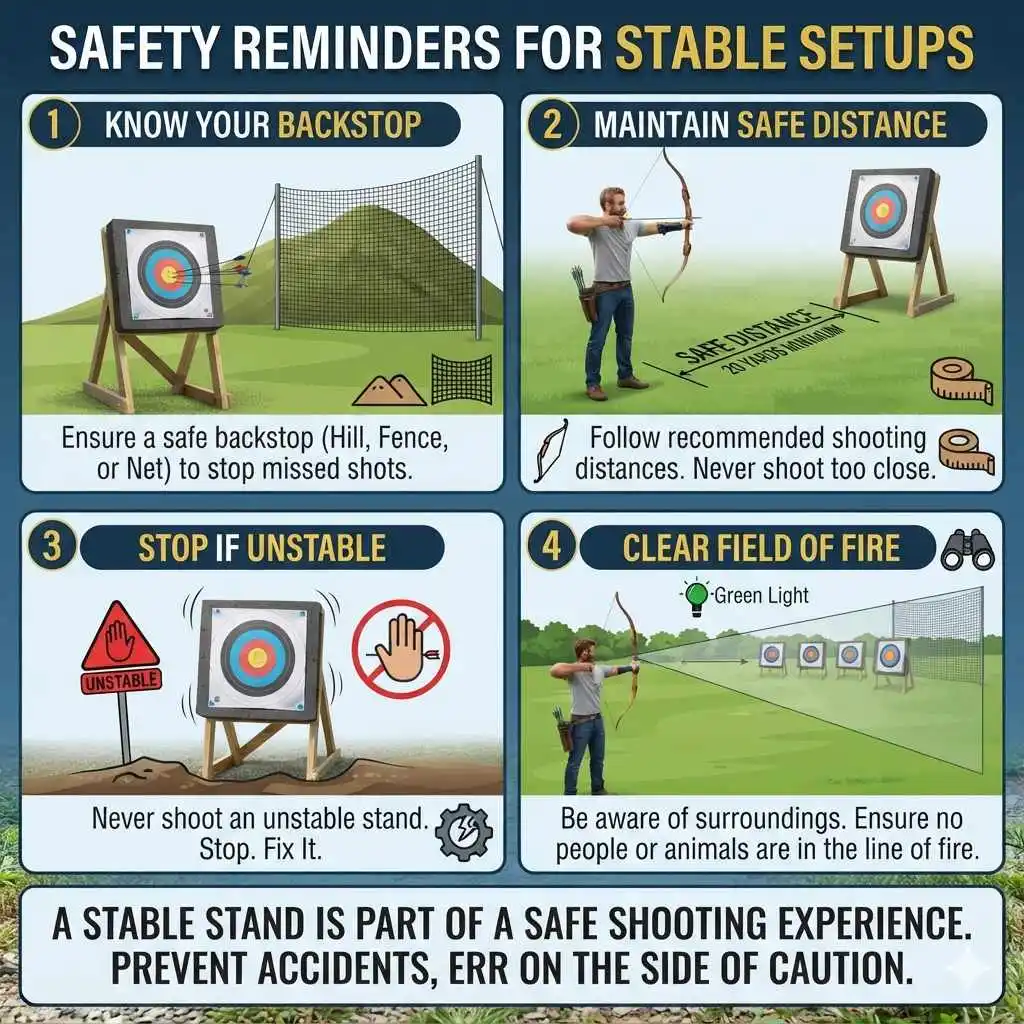
Safety Reminders for Stable Setups
We’ve talked a lot about making the stand stable. But stability is also about safety. Here are some final safety reminders.
Always know what’s behind your target. Make sure there’s a safe backstop. This is a material that will stop missed shots.
It could be a hill, a thick wooden fence, or a dedicated backstop net.
Keep a safe distance. Follow the recommended shooting distances for your firearm or bow. Never shoot at a target that is too close for safety.
Never shoot if your setup is unstable. If the stand is wobbling, stop. Fix it.
Don’t take chances. An unstable stand can lead to dangerous situations.
Be aware of your surroundings. Make sure no people or animals are in the line of fire or behind the target. Always have a clear field of fire.
When in doubt, err on the side of caution. It’s better to be safe than sorry. A stable target stand is part of a safe shooting experience.
It’s not just about convenience; it’s about preventing accidents.
Frequently Asked Questions About Target Stands
What is the best way to level a target stand on uneven ground?
The best way is to physically prepare the ground first. Use a shovel to dig down high spots and fill in low spots until the area is flat. Then, place your stand and use a spirit level on its base.
Adjust by adding small amounts of soil or shims under the legs until it’s perfectly level in all directions.
How do I anchor a target stand in very windy conditions?
In high winds, you need to over-anchor. Use the longest and strongest ground stakes you can find, driven deep into the ground at an angle. Supplement with heavy sandbags or weights on the legs and base.
Consider adding guy lines from the stand to secure points like trees or sturdy fence posts. Always check the forecast and postpone if winds are extreme.
Can I use my target stand on a paved surface like a driveway?
Yes, paved surfaces can offer good stability if the stand itself is solid. However, anchoring becomes more difficult. You can use heavy weights like sandbags placed directly on the stand’s base.
For a more permanent solution, some stands have holes in their legs that allow you to drill and use concrete anchors. Ensure the stand has rubber feet for grip.
My target stand keeps tipping over when an arrow hits it. What’s wrong?
This usually means your stand isn’t heavy enough or isn’t anchored. First, check if the stand can support the weight of your target. Then, focus on anchoring.
You need to secure the stand firmly to the ground using stakes or weights. Also, ensure your target is balanced and centered on the stand. If the stand itself is very lightweight or has a narrow base, it may be time to upgrade to a more robust model.
How much weight can a typical target stand hold?
The weight capacity varies greatly by stand type and construction. Small, portable metal stands might only support a few pounds, suitable for light paper targets. Larger, sturdier wooden or heavy-duty metal stands can often hold 50-100 pounds or more, which is needed for large archery bag targets.
Always check the manufacturer’s specifications for the stand’s weight limit.
What is the difference between anchoring and weighting a target stand?
Anchoring involves securing the stand to the ground or a fixed point to prevent it from moving or tipping. This is typically done with stakes, ropes, or guy lines that dig into or attach to the earth. Weighting involves placing heavy objects on the stand’s base or legs to increase its overall mass and stability, making it harder to tip due to external forces like wind or impact.
Conclusion
Getting your target stand to be perfectly stable might seem like a lot of work. But it’s really about a few key things. Prepare the ground well.
Anchor it down securely. Choose a stand that fits your needs. And always consider the wind.
A steady stand makes practice more fun. It makes you safer. It helps you improve your aim.
Don’t let a wobbly stand spoil your enjoyment. With these tips, you can build a rock-solid setup. Now go out there and hit your mark!