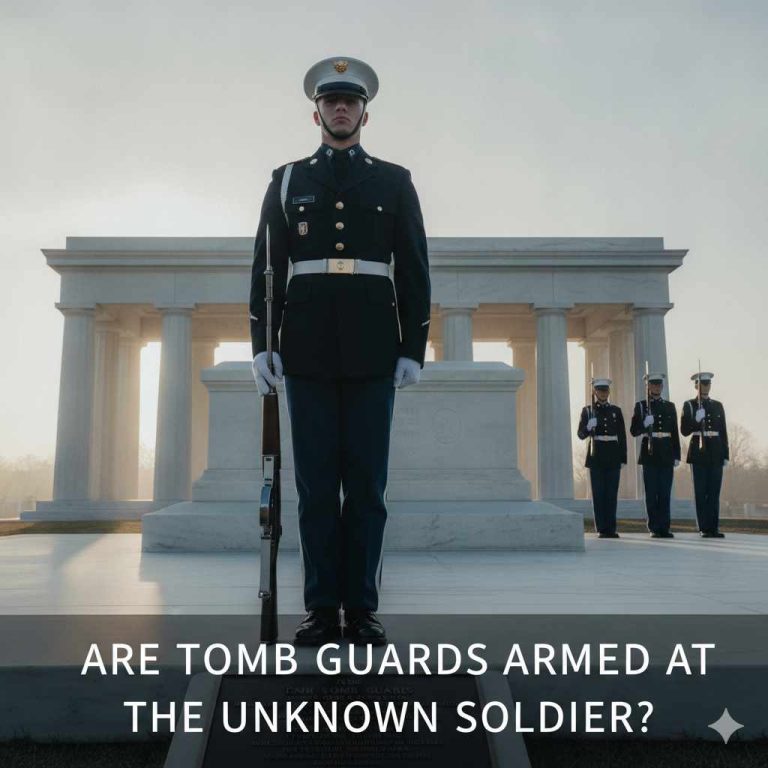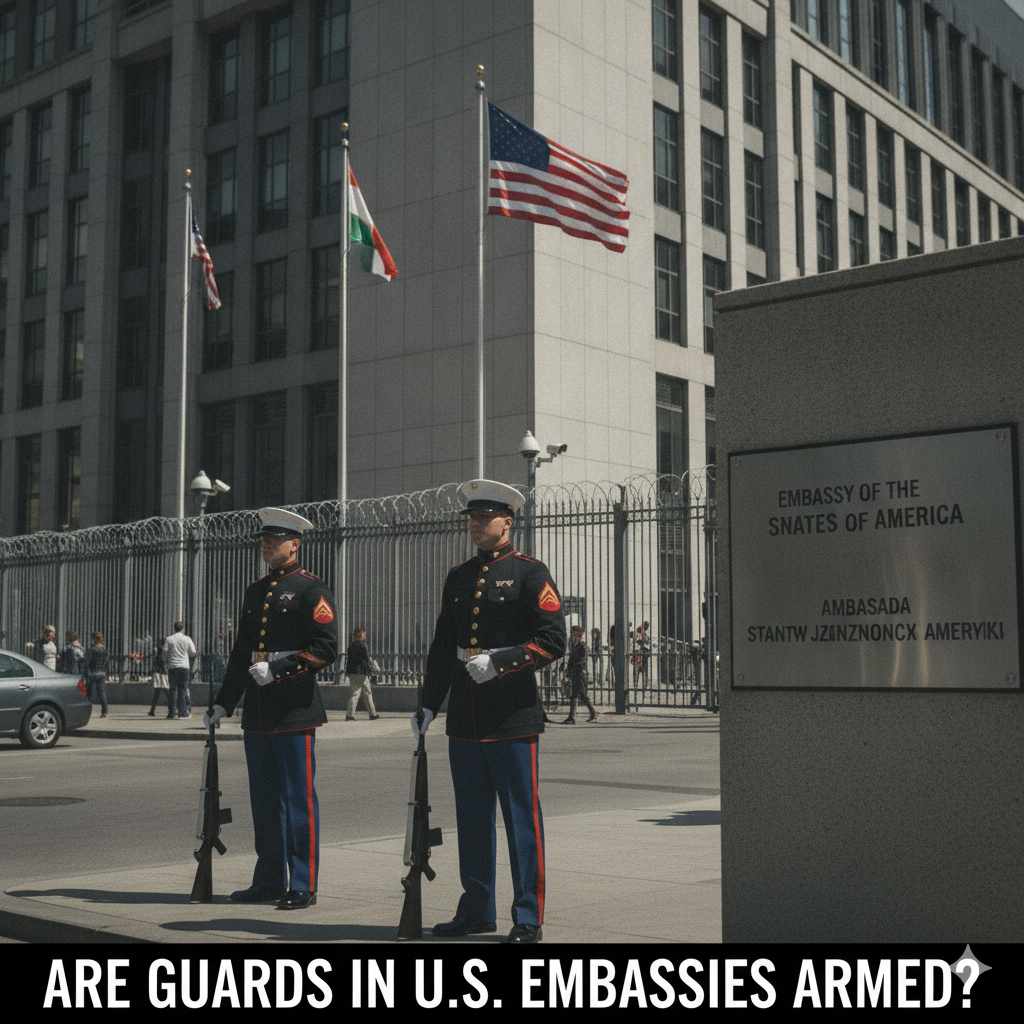
Are Guards In U.S. Embassies Armed?
The short answer is yes, guards at U.S. embassies are armed. They carry firearms as a critical part of their duty to protect embassy personnel, visitors, and classified information. This measure is standard practice in diplomatic security worldwide.
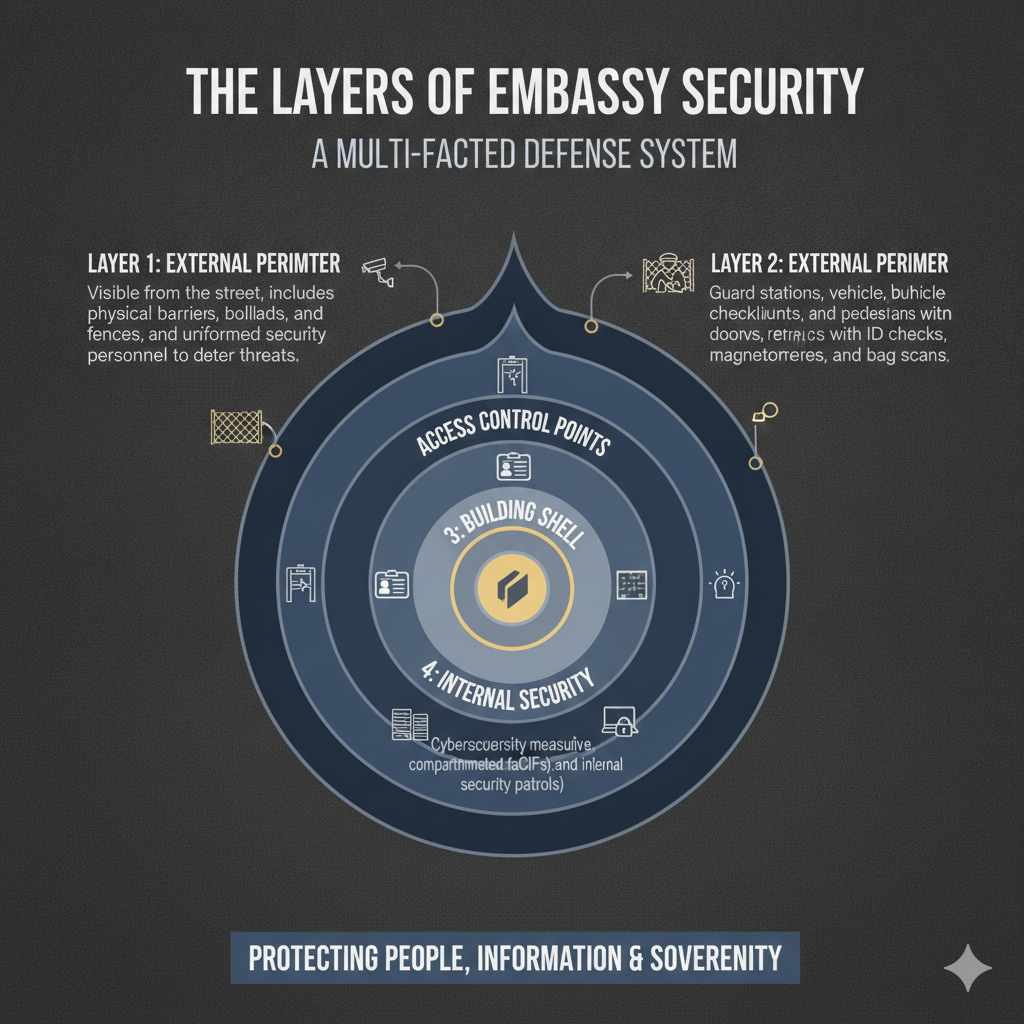
The Layers of Embassy Security
When you think about an embassy, you might picture a large, imposing building. But its security is much more than just the structure itself. It’s a complex system designed to prevent threats from getting close.
This system involves many different parts working together.
Think of it like an onion. There are many layers. Each layer is meant to stop or slow down anyone who wants to cause harm.
The outermost layers are what you might see from the street. These include physical barriers and visible security personnel.
As you get closer to the building, the security gets tighter. There are more checks and more sophisticated technology. This layered approach is essential because threats can come in many forms.
They can be physical attacks, cyber threats, or even espionage.
Physical Barriers and Access Control
The first line of defense is often physical. This includes things like high walls, fences, and gates. These barriers are designed to keep unauthorized people from even reaching the embassy grounds.
In many places, these are not just normal fences. They are built to withstand vehicle attacks or to be difficult to climb.
Inside the perimeter, there are checkpoints. Only authorized personnel and visitors can pass. This involves showing identification and having their bags checked.
Security cameras are everywhere. They watch all areas, both inside and out. This helps security staff monitor activity and respond quickly if something unusual happens.
The Role of Diplomatic Security Service (DSS)
The main group responsible for U.S. embassy security is the Diplomatic Security Service, or DSS. They are part of the U.S.
Department of State. DSS agents are highly trained. Their job is to protect diplomats and embassies around the world.
These agents are federal law enforcement officers. They have the authority to carry firearms and make arrests. Their training covers a wide range of security skills.
This includes anti-terrorism tactics, close protection, and investigation.
DSS agents work with local police and military forces in the host country. However, they are the primary security force for the embassy itself. They are on duty 24 hours a day, 7 days a week.
Their presence is a strong deterrent to potential attackers.
Are Embassy Guards Armed? The Specifics
Yes, the guards you see at U.S. embassies are armed. This includes both DSS agents and local guards who are vetted and trained by the DSS.
The decision to arm guards is based on risk assessments for each specific location. Some embassies are in high-threat environments, while others are in safer areas. But even in safer areas, the potential for threats exists.
The types of firearms used can vary. They are typically standard-issue law enforcement sidearms. These are reliable and effective for close-quarters defense.
In some situations, more specialized weapons might be available for use by trained personnel.
Training and Protocols
Being armed is only part of the security picture. The training behind these guards is extensive. They undergo rigorous instruction in marksmanship, tactical operations, and rules of engagement.
This means they know exactly when and how they are allowed to use force.
Rules of engagement are very strict. They are designed to ensure that force is only used as a last resort. The goal is always to de-escalate situations if possible.
But if there is an immediate threat to life, guards are authorized to act to protect themselves and others.
Protocols also cover how guards should respond to different types of incidents. This includes everything from a minor disturbance to a full-scale attack. They practice these responses through drills and simulations.
This ensures everyone knows their role and can act effectively under pressure.
The Importance of Deterrence
The visible presence of armed guards is a powerful deterrent. It signals that the embassy is a secure facility and that any hostile actions will be met with force. This can discourage individuals or groups from even attempting an attack.
When potential attackers see that security is well-equipped and ready to defend the premises, they are more likely to look for softer targets elsewhere. The combination of physical barriers, technology, and armed personnel creates a formidable defense.
A Personal Experience with Embassy Security
I remember visiting a U.S. embassy in a region that had seen its share of political unrest. Even from a distance, the security presence was noticeable.
There were large concrete barriers around the perimeter. Guards in official uniforms stood at various points.
As I approached the entrance for a scheduled appointment, I saw a guard with a firearm visible on his hip. He wasn’t just standing there; he was actively scanning the surroundings with a calm but alert gaze. When it was my turn, he politely but firmly instructed me on where to go and what to do.
There was a brief moment where I felt a slight unease, not because I felt threatened by the guard, but because the situation felt so serious. It was a stark reminder of the importance of their job. The air was tense, not with fear, but with a quiet readiness.
That experience really drove home the necessity of their armament and training in such environments.
Quick Scan: Embassy Security Features
Visible Guards: Often seen at gates and checkpoints.
Firearms: Standard issue sidearms are common.
Technology: Cameras, sensors, and communication systems.
Physical Barriers: Walls, fences, and vehicle blockers.
ID Checks: Strict verification for all personnel and visitors.
Local Cooperation: Working with host country security.
Who Are the Guards?
The security personnel at U.S. embassies are a mix of individuals. The most prominent are the agents of the Diplomatic Security Service (DSS).
These are U.S. federal agents. They are U.S.
citizens who have undergone extensive background checks and training.
In addition to DSS agents, many embassies employ local guards. These are citizens of the host country. They are hired and managed by the U.S.
government, often through private security firms contracted by the State Department. These local guards are also thoroughly vetted and receive specialized training from the DSS.
This combination of American agents and trained local personnel creates a robust security force. It leverages local knowledge while maintaining U.S. standards and control.
The U.S. Department of State’s Role
The U.S. Department of State is the agency that runs all U.S. embassies.
It is responsible for their security. The Bureau of Diplomatic Security is the part of the State Department that handles this. They are dedicated to protecting American diplomats and facilities abroad.
They constantly assess threats around the world. Based on these assessments, they decide on the level of security needed at each embassy. This can include increasing the number of guards, upgrading security technology, or reinforcing physical barriers.
Training Standards
Regardless of whether a guard is a DSS agent or a local hire, the training standards are high. They must be proficient with their assigned weapons. They learn defensive tactics and how to handle stressful situations.
They also learn about U.S. laws and protocols related to use of force.
This ensures consistency and effectiveness across all U.S. diplomatic missions. The goal is to have a security team that can respond appropriately to any threat, big or small.
This training is ongoing, with regular refreshers and advanced courses.
Types of Firearms Used
The firearms used by embassy guards are typically reliable and widely used service weapons. For DSS agents and Marine Security Guards, this often means standard-issue semi-automatic pistols. These are chosen for their effectiveness, ease of use, and familiarity.
The specific models can change over time as technology improves. However, the emphasis is always on weapons that are proven in law enforcement and military contexts. These are not weapons for show; they are tools for protection.
In addition to sidearms, there might be other types of weapons available for specific security scenarios. This could include rifles or shotguns, depending on the threat assessment for a particular embassy and the unit’s role. For instance, guards responsible for perimeter security might have access to different equipment than those inside the building.
Contrast: Normal vs. Concerning Security Behavior
Normal: Calm, alert scanning of surroundings. Polite but firm instructions. Visible but not threatening posture.
Responding to commands.
Concerning: Overly aggressive or agitated demeanor. Unnecessary displays of force. Ignoring protocols or commands.
Threatening language or actions towards visitors.
When Is It Normal to See Armed Guards?
Seeing armed guards at a U.S. embassy is completely normal. It’s an expected part of their security infrastructure.
These guards are professionals doing a difficult and important job. Their presence is a sign that security is being taken seriously.
You might see armed guards at the main entrance, at checkpoints, or patrolling the perimeter. They might be in uniform or in plain clothes. The key is that they are there to ensure the safety of everyone associated with the embassy.
Their armament is a tool to fulfill their mission. It’s a necessary measure in a world where diplomatic facilities can be targets. Their training ensures they use this tool responsibly and effectively.
What If You Feel Uncomfortable?
If you are visiting an embassy and feel uncomfortable with the security presence, it’s important to remember their purpose. They are there to protect you and others. If you have concerns about their behavior, it’s best to address them calmly and professionally.
You can speak to a supervisor if one is available. Or, you can note the details and report your concerns to the embassy’s public affairs office or the Department of State when you return home. However, in most cases, the guards are highly trained to be professional and respectful.
Why Is This Level of Security Necessary?
The need for such robust security stems from the critical role embassies play and the threats they can face. Embassies are the physical representation of a nation in a foreign land. They house diplomats, conduct official business, and often hold sensitive information.
Historically, diplomatic missions have been targets of attacks. These can range from protests that turn violent to coordinated terrorist assaults. Events like the Benghazi attack in Libya or the bombing of U.S.
embassies in Africa highlight the real dangers involved.
The U.S. government has a duty to protect its citizens working abroad and to ensure that diplomatic functions can continue uninterrupted. Armed guards are a vital component of fulfilling that duty.
They are trained to respond to a wide range of threats, from individual security breaches to larger-scale attacks.
Threats to Diplomatic Missions
The threats are diverse. They can include:
- Terrorist groups seeking to attack symbols of U.S. power or influence.
- Local groups hostile to U.S. foreign policy or actions.
- Criminal elements looking to exploit security weaknesses for gain.
- Espionage attempts targeting sensitive information.
The security measures, including armed guards, are designed to counter all these potential threats. It’s a proactive approach to maintaining safety and security for American interests and personnel overseas.
Security Protocol: What Happens If There’s an Incident?
Immediate Response: Armed guards move to secure the area and neutralize the threat.
Communication: Alerting other security personnel and notifying local authorities.
Evacuation: If necessary, initiating an orderly evacuation of embassy staff and visitors.
Containment: Preventing further spread of the threat or damage.
Investigation: Post-incident analysis to understand what happened and improve security.
What This Means for You
For most people, the most direct interaction with embassy security will be as a visitor. If you have an appointment or need to visit an embassy for services, expect a thorough security screening. This is standard practice and is for everyone’s safety.
Follow all instructions from the guards carefully. They are there to guide you through the process smoothly and securely. Cooperation makes the process faster and safer for everyone involved.
When to Be Aware
If you are traveling near an embassy, be aware of your surroundings. Understand that there are security zones and protocols in place. Respect any signs or barriers that indicate restricted areas.
The presence of armed guards is a sign that the U.S. government is taking security seriously. It means that robust measures are in place to protect diplomatic operations and the people involved.
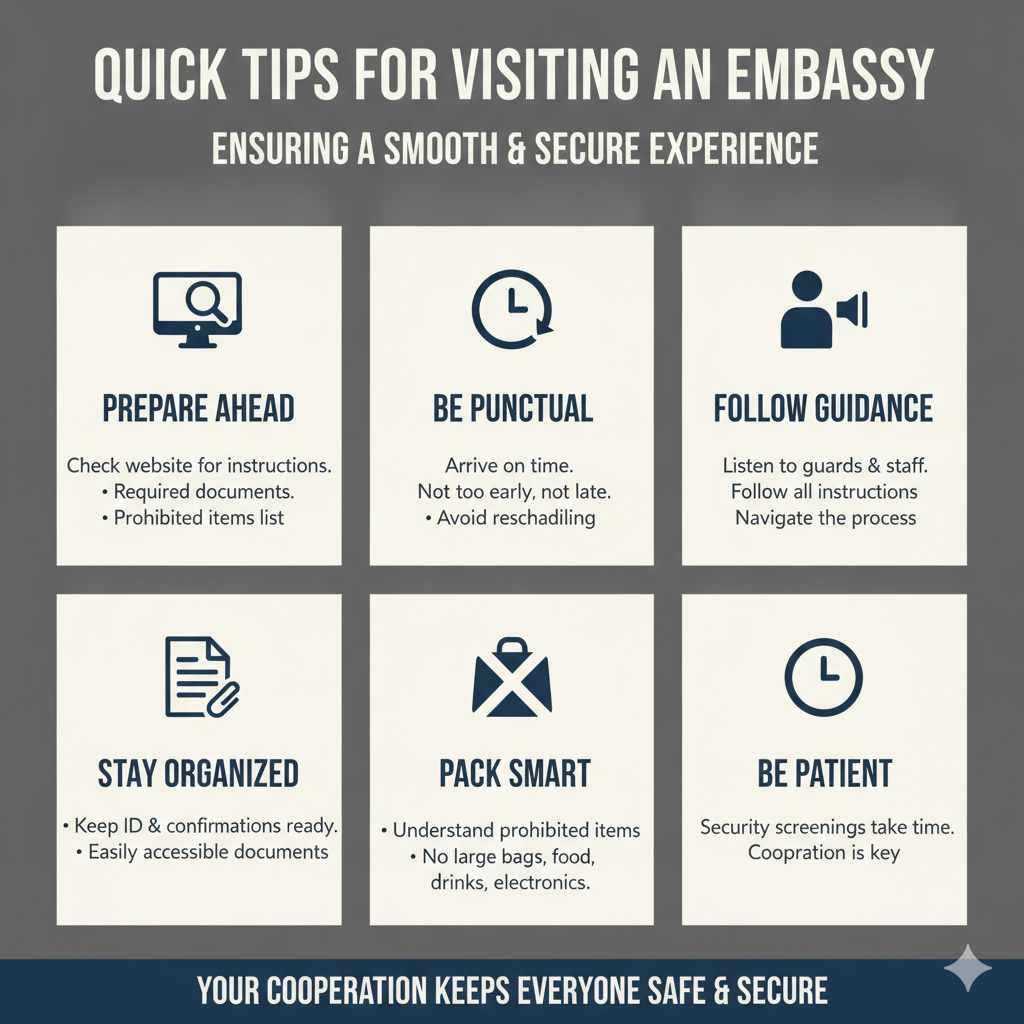
Quick Tips for Visiting an Embassy
If you plan to visit a U.S. embassy, keep these simple tips in mind:
- Check the Embassy Website: Look for specific visitor instructions, required documents, and any prohibited items before your visit.
- Arrive on Time: Do not arrive too early, as you may not be able to enter. Being late might mean rescheduling.
- Be Patient: Security screenings can take time. A little patience goes a long way.
- Follow Instructions: Listen carefully to the guards and staff. They will guide you through the process.
- Keep Documents Ready: Have your identification and any appointment confirmations easily accessible.
- Understand Prohibited Items: Things like large bags, food, drinks, and electronic devices might not be allowed inside.
These steps help ensure your visit is efficient and secure. The security personnel are there to help you navigate the process.
Embassy Security: A Quick Overview
Who is in charge? The U.S. Department of State’s Diplomatic Security Service (DSS).
Are they armed? Yes, both DSS agents and trained local guards carry firearms.
Why? To protect personnel, facilities, and U.S. interests from threats.
What kind of guns? Standard-issue law enforcement pistols are common.
What’s the protocol? Strict rules of engagement ensure force is used only when necessary.
Frequent Questions About Embassy Security
Are all U.S. embassies guarded by armed personnel?
Yes, all U.S. embassies have armed security. This includes U.S.
Diplomatic Security Service (DSS) agents and often includes highly trained local guards. The level and type of armament are based on risk assessments for each location.
What kind of firearms do embassy guards typically carry?
Embassy guards, particularly U.S. DSS agents and Marine Security Guards, typically carry standard-issue semi-automatic pistols. Depending on the security needs and threat level, other weapons like rifles may also be available to specific security units.
Who is responsible for the security of U.S. embassies abroad?
The U.S. Department of State, through its Bureau of Diplomatic Security (DS), is primarily responsible for the security of U.S. diplomatic missions and personnel worldwide.
DS agents are federal law enforcement officers tasked with this critical mission.
What happens if there’s a security threat at an embassy?
In the event of a security threat, armed guards are trained to respond immediately to neutralize the danger, protect personnel, and secure the facility. They coordinate with local authorities and follow strict protocols to manage the situation effectively.
Are the local guards at embassies also armed?
Yes, local guards hired and trained by the U.S. government for embassy duty are typically armed. They undergo rigorous vetting and receive specialized training from the Diplomatic Security Service to ensure they meet security standards and follow established protocols.
What are the rules of engagement for armed embassy guards?
Embassy guards operate under strict rules of engagement. These protocols define when and how they are authorized to use force. The primary goal is to protect lives and prevent serious harm, with force used only as a last resort when de-escalation is not possible.
Conclusion
The question of whether U.S. embassy guards are armed has a clear answer: yes. This is a fundamental aspect of diplomatic security.
It ensures the safety of personnel and the integrity of U.S. missions abroad. The layered security, advanced training, and armament of guards are all vital to protecting these important facilities.