Arrow Flight Troubleshooting for Beginner Archers
Fix the shooter and arrow first. If the same flight problem shows up with two or three arrows and repeats at close range, inspect grip, release, nock fit, and arrow damage before changing bow tuning. Skipping that order wastes time and can hide the real cause of tail-left, tail-right, or unstable groups. This guide gives a simple symptom-to-fix workflow for beginner archers.
What you’ll need

- Bow square for brace height and nocking point checks
- Tape measure for brace height and walk-back marks
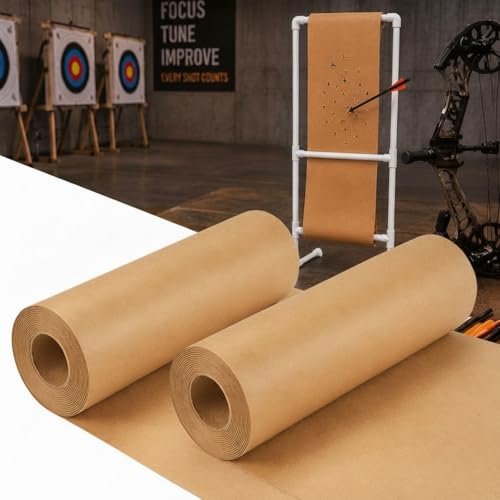
- Paper for close-range paper tuning
- Field points
- Safe target face
- Extra nocks and spare fletching if replacement is needed
Use one arrow at a time for diagnosis. Mixed point weights, shaft lengths, or nock fits can hide the real issue.
- Check brace height with a bow square and confirm it stays within the manufacturer’s spec before changing anything else.
- Inspect the arrow shaft, nock, and fletching for cracks, bends, loose parts, or tears.
- Set the nocking point with a bow square, then confirm center shot against the bow maker’s recommended reference before fine-tuning the rest.
- Shoot one arrow through paper at about 6 feet to read the tear before moving to longer-range checks.
- Use the matrix below to match the symptom to the first adjustment, then recheck with the same arrow.
- If groups still drift, run walk-back tuning from the shortest practical distance you can use and compare impact at a second, farther mark.
Why are my arrows fishtailing or porpoising?
Fishtailing means the arrow tail swings left and right after launch. Porpoising means the tail moves up and down. Treat both as signs of instability, then separate shooter error from arrow tune before touching the rest. A poor release can look like a weak spine or a bad nocking point.
First checks
Look for a tight grip, plucking string hand, or contact between the arrow and rest. Then check arrow spine, point weight, and shaft damage. A heavier point can weaken the arrow’s dynamic reaction; a lighter point can stiffen it. Keep point weight the same across all arrows you compare.
Say your compound groups suddenly open up and one arrow tears the paper low while the others pass cleanly. That points first to a setup mismatch or one damaged arrow, not to a full bow rebuild.
Arrow flight troubleshooting matrix
| Symptom | Likely cause | First check | Next adjustment | Stop or replace threshold |
|---|---|---|---|---|
| Nock high tear | Nocking point too low, or rest too high | Measure nocking point with a bow square | Lower the nocking point or raise the rest | Stop if nock height changes do not fix it after a fresh paper tear |
| Nock low tear | Nocking point too high, or rest too low | Check arrow travel through paper at about 6 feet | Raise the nocking point or lower the rest | Stop if repeated tears come from one damaged arrow |
| Nock right tear | Rest too far right, or arrow spine too weak | Confirm center shot first | Move the rest left or decrease arrow spine | Replace if the shaft is cracked or bent |
| Nock left tear | Rest too far left, or arrow spine too stiff | Check point weight and shaft length consistency | Move the rest right or increase arrow spine | Replace if fletching is torn or the shaft is visibly damaged |
| Fishtailing | Release error, rest contact, or weak spine | Watch for vane or feather contact | Clean release, then recheck rest and spine | Stop tuning if the same arrow shows shaft wobble or impact damage |
| Porpoising | Nocking point error, brace height issue, or point mismatch | Measure brace height and nocking point | Bring both within spec, then retest | Replace damaged nocks or cracked shafts |
| Broadhead mismatch | Field points and broadheads are not in the same tune window | Compare field point and broadhead impact at 30 yards | Adjust rest or spine until they land within an inch or two | Stop if one broadhead or insert is bent |
| Distance drift | Center shot off, poor walk-back line, or inconsistent arrow weight | Run walk-back tuning from 20 yards | Adjust rest, then recheck at 30, 40, and 50 yards | Replace arrows with mixed weights or damaged vanes |
Which adjustment comes first?
A common adjustment sequence is brace height, then nocking point, then center shot. That order keeps the bow’s baseline steady before you chase left-right errors. Brace height changes forgiveness and speed, so it should stay inside the maker’s spec. Center shot is commonly used as a rest baseline for paper tears and walk-back consistency.
For recurve bows, a nocking point set too high or too low often shows up faster than rest issues. For compounds, a center-shot error can hide behind paper tears that seem like spine problems. Adjust one variable at a time.
First adjustment sequence
- Measure brace height with a bow square and tape measure.
- Set the nocking point level with the arrow, then retest.
- Set center shot using the bow maker’s recommended starting position.
- Only after that, fine-tune spine, point weight, or rest position.
How do I separate shooter error from tuning?
Use one arrow, one target, and one change at a time. If the same tear or drift repeats with two or three arrows, inspect the arrow first, then the shot, then the bow. Poor release, bow hand torque, and grip pressure can imitate bad tune, especially at close range.
Quick separation checks
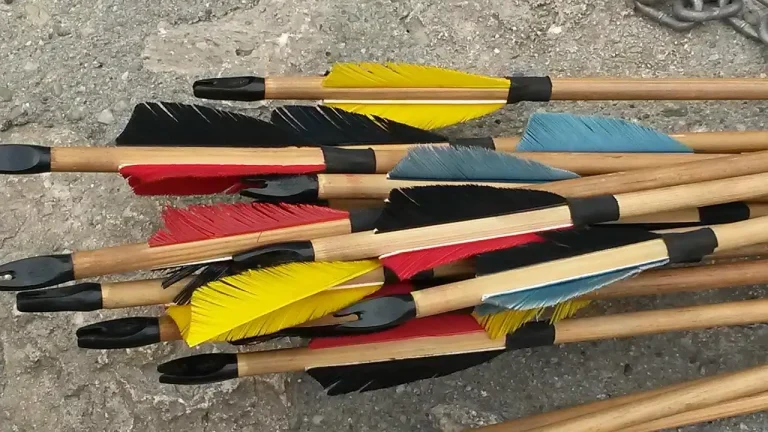
Look for vane or feather contact, crushed nocks, or arrows that weigh differently from the rest. A mixed set of point weights can change dynamic reaction enough to confuse the result. Feathers are usually more forgiving than plastic vanes, but they can still show contact if clearance is poor.
Suppose a recurve archer groups well at 20 yards with one field point but starts drifting left at 40 yards. If brace height, nocking point, and arrow weight are consistent, the next step is walk-back tuning rather than a fresh rest move.
Common mistakes
Most bad troubleshooting comes from changing too much at once. Keep the sequence simple.
- Changing the rest before confirming brace height and nocking point
- Mixing point weights or arrow lengths in the same test
- Ignoring marks on vanes, feathers, or the shaft from rest contact
- Assuming every weak group is a bow problem
- Keeping damaged arrows in the test set
If that didn’t work
- Run paper tuning again at about 6 feet with the same arrow.
- Check walk-back at the shortest practical distance you can use, then compare a farther mark.
- If one arrow still behaves differently, retire it from tuning.
A bow that is tuned well usually gives tighter groups and better confidence. If the bow starts changing behavior after a bump, inspect for nock damage, vane tears, or a shaft that no longer spins straight before adjusting the rest again.
Frequently asked questions
How do I know if my arrow spine is too weak or too stiff?
A weak spine often shows as a nock-right tear for a right-handed archer and a nock-left tear for a left-handed archer; a stiff spine does the opposite. The fix path is practical: confirm point weight, then adjust rest position, then move to a shaft with more or less stiffness if the tear stays consistent.
What does a nock high or nock low tear mean?
A nock high tear usually means the nocking point sits too low, or the rest sits too high. A nock low tear usually means the nocking point sits too high, or the rest sits too low. Use a bow square first, then retest with the same arrow.
How do I fix arrows that group well at 20 yards but drift at longer distances?
Run walk-back tuning from the shortest practical distance you can use, then compare a farther mark. If the line shifts, adjust the rest before changing other parts. Also confirm arrow-to-arrow weight, nock fit, and center shot, because small inconsistencies show up more at distance.
Can poor form cause bad arrow flight even if the bow is tuned?
Yes. A tense grip, plucked release, or bow hand torque can create the same symptoms as bad tune. If the bow passes close-range paper tuning but groups still wander, the next check is shooter form, then contact marks.
When should I replace arrows instead of trying to tune them?
Replace the arrow if the shaft is cracked, bent, or no longer spins straight, or if the nock and fletching are damaged enough to affect repeatability. Also stop tuning if one arrow behaves differently after the bow and shot are already verified. Damaged arrows should not stay in the test set.