How to Choose Your First Bow for Hunting
For a first deer-hunting bow, choose a forgiving compound you can draw smoothly, set to a legal draw weight you can hold steady, with axle-to-axle length of about 30 inches or longer. A bow that exceeds your strength makes practice sloppy, shortens sessions, and can leave you unable to shoot cleanly when a deer steps out. This guide covers draw weight, draw length, bow size, brace height, let-off, budget, and the setup checks that matter before you buy.
What matters before you buy?
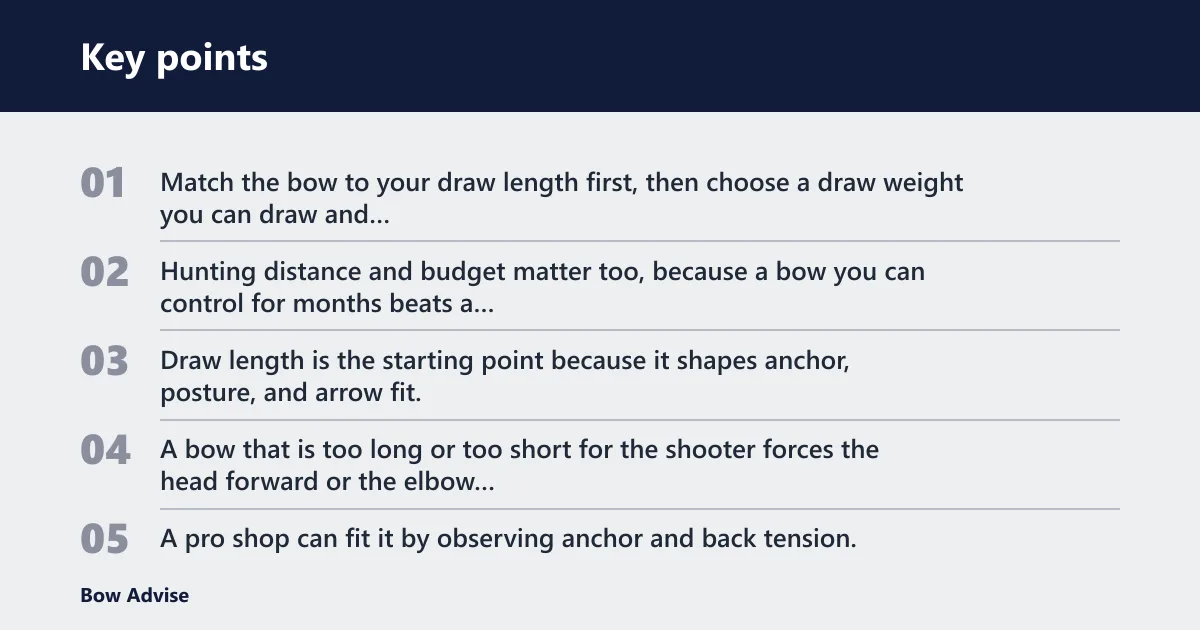

Start with fit, not features. Match the bow to your draw length first, then choose a draw weight you can draw and anchor without shaking, and only after that look at sights, rests, and package deals. Hunting distance and budget matter too, because a bow you can control for months beats a stronger setup that stays in the case.
Match draw length first
Draw length is the starting point because it shapes anchor, posture, and arrow fit. A bow that is too long or too short for the shooter forces the head forward or the elbow into a bad position, and that usually creates a rushed release. A pro shop can fit it by observing anchor and back tension, or by using a measured setup based on arm span.
Choose draw weight you can repeat
Draw weight should match strength and hunting use, not ego. The right weight is the heaviest setting that still allows smooth draws, stable aim, and consistent practice over a full session. Ethical shooting depends on repeatable form and control at hunting distance, not on the largest number printed on the bow.
Set hunting distance and budget before shopping
New deer hunters should think about where shots will happen, because that affects sight choice, arrow setup, and how much performance is actually needed. Budget should cover the bow, fitting, arrows, and a basic setup by a shop. A cheaper bow that fits well is better than a more expensive one that is poorly tuned or overdrawn.
Compound vs traditional bow
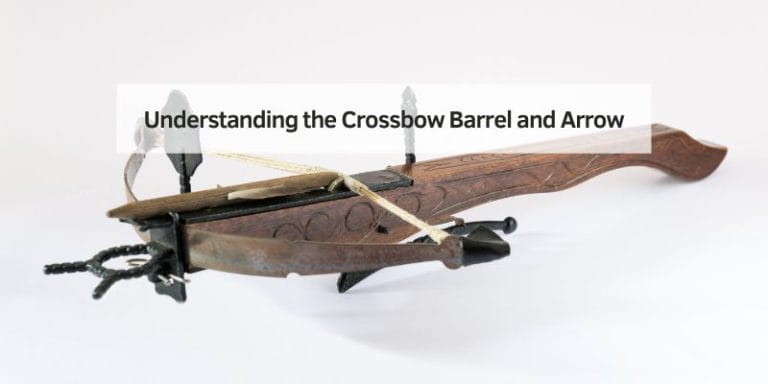
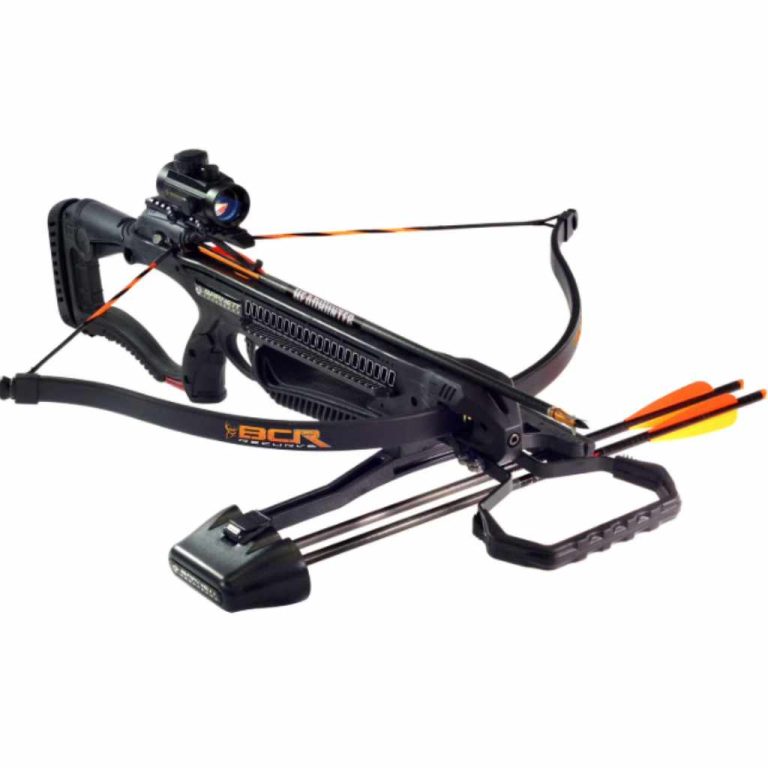
For most first deer hunters, a compound bow is the safer starting point because its cam-and-cable system creates let-off and makes full-draw holding easier. Traditional bows include recurves and longbows, and they require holding 100% of the draw weight at full draw, which is much more demanding on form and timing.
Why most first hunters start with a compound bow
A compound bow is usually the first hunting bow because the let-off range is about 15-35% of peak weight, so the archer holds less force at anchor. That does not make the shot easy by itself, but it gives beginners more time to settle the pin, control aim, and manage pressure on the string.
When a recurve or longbow makes sense
Traditional bows can work for hunting, but they ask more from the shooter. Recurves and longbows suit archers who want a simpler bow and are willing to build form carefully before hunting. For a deer hunter who wants a first season setup, they are usually a later choice rather than the easiest starting point.
What let-off changes and what it does not
Let-off helps with holding weight, but it does not fix poor anchor, bad grip, or a rushed release. A compound with high let-off can still be hard to control if the draw length is wrong or the bow is too heavy. The shooter still needs a stable stance and clean execution.
First bow decision matrix
Use this matrix as a buying filter. Read across each row from body fit to hunting use, then check the accessory priority and the warning column before spending on extras. The goal is to avoid overbowing, wrong fit, and a setup that looks complete but is not ready for hunting.
| Draw length | Comfortable draw weight range | Bow type | Intended game | Recommended accessory priority | Common failure mode | Do not buy if |
|---|---|---|---|---|---|---|
| Shorter frame or shorter draw | Light to moderate, smooth full-draw control | Compound | Deer | Multi-pin sight, full-capture rest, wrist-strap release | Overbowing causes shaky anchor and poor follow-through | Do not buy if the draw feels heavy at the start or at anchor |
| Average adult fit | Moderate, repeatable for practice sessions | Compound | Deer and similar game | Multi-pin sight, full-capture or drop-away rest, stabilizer | Wrong fit leads to peeking, face pressure, or collapsed form | Do not buy if the grip forces a crowded anchor or wrist torque |
| Longer draw with stable form | Moderate if form stays clean | Compound | Deer, turkey, hogs | Sight, release aid, tuned arrows, then stabilizer | Too much let-off can hide poor back tension and sloppy release timing | Do not buy if the bow is strong enough only on paper |
| Any fit, but experienced form only | Lower than compound hunting norms | Traditional recurve or longbow | Deer only after strong form work | Arrow setup and broadhead tune first, then simple sighting if used | Holding 100% of draw weight magnifies form errors | Do not buy if you want easy holding time or a forgiving release |
What draw weight should you start with?
Begin with a draw weight you can pull smoothly, anchor cleanly, and shoot several times without losing form. For a beginner deer bow, the right number is usually lower than a hunter expects. Ethical shots depend on control and repeatability, and those disappear fast when the bow is too heavy.
Beginner ranges for deer hunting
A beginner should choose the lightest draw weight that still meets local rules and allows clean arrow flight with hunting arrows. In many cases that means starting lower and working up only after the shooter can hold at full draw without strain. If a state has a minimum, such as Ohio’s 40 pounds, the bow still needs to fit the shooter, not the other way around.
Why ethical shot control matters more than peak weight
Heavier bows can push a broadhead well, but only if the shooter can draw and aim them without flinching. Good hunting starts with a shot that is steady, quiet, and repeatable. A lighter legal setup that can be controlled is better than a heavy setup that only looks powerful.
When to step up after practice
Step up only after the current bow feels easy at anchor and the arrow grouping stays consistent. A common first-timer mistake is moving up in weight because the number sounds more serious, then losing form at the exact moment consistency matters. That usually leads to bad arrow flight and poor confidence.
What accessories do you need first?
Buy the essentials in the right order. For a compound, the first items are a sight, rest, and release aid. After that, add a stabilizer and arrows built for the bow. Package extras can wait if they do not help fit, aiming, or arrow flight on day one.
Sight, rest, and release aid
A multi-pin hunting sight is often the most practical starting point for a new deer hunter. A typical setup uses three pins at 20, 30, and 40 yards, which gives clear reference points without much guesswork. The rest should support clean arrow clearance, and the release should fit the hand well enough that the trigger can move without a punch.
Release aid choices
A wrist-strap release is the most common among hunters, and it is a sensible first choice for many beginners. Handheld thumb trigger releases can work too, but trigger travel matters because too little travel can encourage punching and too much can feel vague. The correct choice is the one that lets the shooter activate the shot without yanking it.
Arrow rest and stabilizer
A Whisker Biscuit or other full-capture rest is forgiving for beginners because it holds the arrow in place and gives broadhead hunters a simple starting point. A drop-away rest can also work well, but it depends more on setup quality and timing. A front-mounted stabilizer is often 8-12 inches long and helps reduce vibration and torque.
What can wait until later?
Do not treat every add-on as day-one equipment. Extra weights, specialty quivers, advanced rests, and premium accessories can wait until the bow is fitted, tuned, and shooting well. The first dollar should go toward fit and arrow flight, not toward parts that look important but do not solve the main problems.
How should a first hunting bow be fit and tuned?
Ask a pro shop to fit the bow before buying, check draw length, set the draw weight, and install the first accessories. Test shooting matters because a bow that feels good at rest can still be awkward at full draw. Before hunting, broadheads must be checked against field-point impact, and the arrow setup must match the bow.
What to ask a pro shop before buying
Ask the shop to confirm draw length, set the bow to a manageable draw weight, and explain the differences between rest options and release styles. Ask whether the bow can be shot before purchase and whether the shop will do the initial tune and install the sight, rest, and release-related parts. That conversation prevents expensive guesswork.
Why test shooting matters
Test shooting shows whether the bow fits the shooter instead of just fitting the spec sheet. If the anchor is crowded, the grip twists, or the draw cycle feels harsh, the setup is wrong for a first bow. Picture a 5-foot-7 shooter with a draw length that is too long; the string may land too far back on the face, and the shot usually gets rushed.
Why broadheads must be checked before season
Broadheads fly differently than field points, so a hunting setup should be checked with both before live-game use. Carbon arrow selection should match spine, length, and total grains weight; a useful arrow-weight rule is about 6.5 grains per pound of draw force, so a 60-pound bow wants about 390 grains or more. Say your bow is tuned with field points but the broadheads group left at 30 yards; that is a setup issue, not a reason to ignore the broadheads.
Why state rules belong in the buying decision
Bowhunter education is often required for new hunters, and wildlife agency rules should be checked early. Minimum draw weight, season dates, and broadhead rules can change what bow makes sense. Kentucky’s archery season runs from early September through mid-January, and Oklahoma’s archery season lasts from the beginning of October through mid-January, so the buying timeline should leave room for training and setup.
Frequently asked questions
How do I choose a bow for archery?
Choose by fit first: draw length, draw weight, and how the bow feels at anchor. For a first hunting setup, a compound is usually the practical choice because it is easier to hold than a traditional bow. Then match the rest, sight, arrows, and release to that fit before thinking about upgrades.
What is the best bow for hunting for a beginner?
The best first hunting bow for most beginners is a compound that fits the shooter and can be drawn smoothly at a legal weight. Look for a forgiving setup with basic accessories, not the heaviest or fastest model. A good fit and clean arrow flight matter more than a long feature list.
Should I buy a compound or traditional bow first?
For most new deer hunters, buy a compound first. A compound bow uses a cam-and-cable system with let-off, so it is easier to hold at full draw than a traditional bow, which requires holding 100% of the draw weight. That difference gives beginners more control at anchor.
What draw weight should a beginner hunting bow have?
Start with the lightest draw weight that still meets local rules and lets the shooter draw, anchor, and aim without strain. Beginners often do better with a lower setting they can repeat cleanly. Ethical shooting depends on control, not on choosing the highest number possible.
How do I know if a bow fits my draw length?
A bow fits draw length when the anchor feels natural, the string lands consistently on the face, and the elbow position is not forced. A pro shop can help confirm fit, and draw length can also be estimated from body measurements. If the shot feels crowded or stretched, the fit is wrong.
What accessories do I need on my first hunting bow?
Start with a sight, rest, and release aid for a compound bow. A multi-pin sight with 20, 30, and 40 yard pins is a simple beginner option, and a full-capture rest or Whisker Biscuit is forgiving. Add a stabilizer and proper arrows after the core setup is correct.