How to Fix Arrow Direction Drift Caused by a Loose Rest
A loose rest can send arrows left or right, but fix the rest only after one quick rule: if the drift changes with your shot execution, the problem is not hardware yet. Skip that split, and you waste time on the bow while a form fault stays hidden. This guide gives a symptom-first fault tree to check rest movement, release torque, nock pinch, and centershot before you turn a screw.
This guide is part of our Arrow direction guide for archers series.
Longer distance makes small errors obvious. A light 10 mph wind can cause arrow drift at 30 yards, and that drift becomes easier to see as distance increases from the target. A miss at 20 yards may look small, while the same setup shows a much larger left or right error farther out.
What arrow drift means


Quick symptom map
- Left or right impact on every shot: start with bow hand, release hand, centershot, and nocking point.
- Arrow falls off the rest during the draw: check nocking point height, nock fit, and rest launcher position.
- Visible movement in the wire or blade: inspect the rest mount, set screw, and damage.
- Only worse at distance: confirm centershot, spine, and form before blaming the rest.
What you’ll need
- Bow square for nocking point checks
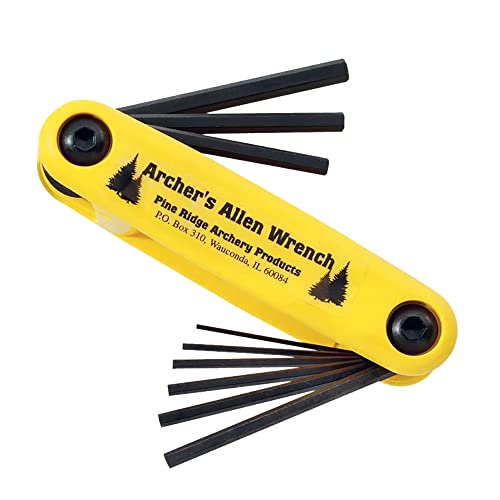
- Hex keys or the correct driver for rest screws
- Marker or tape for centershot reference marks
- Target or blank bale for close-range checks
- Spare nocks or a known-good arrow for fit comparison
- Small flashlight for checking launcher, blade, and mounting points
Could the loose rest be the cause?
A loose rest is commonly indicated when the launcher, wire, or blade shifts under draw, let-down, or after impact. Start here because an arrow rest can move off center shot or loosen over time. On a compound, a magnetic rest, wire rest, blade rest, or drop-away rest can all change position if a mounting screw or set screw backs out.
Check the hardware first
- Set the bow on a safe rack or stand.
- Inspect the rest mount, mounting screws, and set screw for visible movement or gaps.
- Slowly draw and let down while watching the launcher edge, wire, or blade.
- Mark the rest position with tape before tightening so any shift is obvious.
Picture a blade rest with a launcher arm that leans a little farther left after each draw. That is a hardware clue. A rest that stays put at brace but moves under tension usually needs tightening or repair, not another round of target guesswork.
Fix the rest hardware
- Tighten the mounting screws to the maker’s recommended snug setting, then recheck the mark.
- Reset center shot after tightening if the rest moved.
- Check the set screw on a magnetic or blade style rest so the launcher stays indexed.
- Replace a bent wire, cracked blade, or drop-away part that will not hold position.
If the rest drifts again after tightening, stop treating it as a tuning issue. That pattern points to worn threads, a bent launcher, or a part that no longer locks in place.
How do you rule out form errors?
Rule out form before making more hardware changes. A right-handed archer’s left miss often points to bow-hand or release-hand issues, and bow-hand torque can come from gripping too hard or rolling the wrist inward. A collapsing bow arm can send arrows left for a right-handed shooter, and plucking can steer the shaft on release.
Check bow hand and release first
- Set the bow at close range and shoot with a relaxed grip.
- Hold the bow with only light contact from the web of the hand.
- Keep the wrist neutral and avoid rolling inward at release.
- Keep the string hand moving straight back instead of snapping away from the face.
Suppose a right-handed archer sees left misses only on shots where the wrist rolls inward. The rest may be fine. If the drift changes when the hand changes, correct the shot first.
Confirm anchor and draw control
- Use the same anchor point on every shot.
- Keep the draw cycle smooth so the bow does not surge or collapse.
- Back off draw weight if the bow is forcing hand tension or a shaky hold.
Too much draw weight can worsen hand tension and rest control. If the bow feels hard to hold on target, tune the shooter load before chasing the rest.
Set centershot and nocking point
Center shot is the arrow and string alignment, and it must be checked before tuning. Incorrect center shot can push arrows left or right. Nocking point height matters too, because too low can let arrows fall off the rest. For recurves and longbows, the nocking point should be 1/4-inch to 1/2-inch high, measured with a bow square.
Reset alignment before fine tuning
- Mark the current rest position with tape.
- Set the arrow so it lines up with the string path and rest body.
- Use the bow square to check nocking point height.
- Move the nocking point in about 1/16-inch steps, then recheck arrow support after each move.
A nocking point set too low can let the shaft dip and leave the rest during the draw. A nock that fits too tight can also pinch or twist, while a fit that allows smooth release matters for clean flight. A forum reply recommends loosening nock fit so it moves with very little force.
Arrow rest symptom matrix
This matrix helps separate a truly loose rest from form faults and setup errors before more changes. Use it with close-range shots first, then confirm with walk-back or bare-shaft style checks if the bow setup allows it.
| Symptom pattern | Likely cause | Quick check | Next adjustment |
|---|---|---|---|
| Arrow falls off during draw | Nocking point too low, nock fit too tight, or launcher set too low | Watch the shaft as it rises to full draw; check with a bow square | Raise the nocking point in 1/16-inch steps and recheck rest contact |
| Consistent left/right impact | Bow-hand torque, plucking, or incorrect center shot | Shoot with a relaxed grip and a straight release at close range | Reset center shot, then retest before touching the rest again |
| Visible rest wire movement | Loose mounting screws, loose set screw, or damaged launcher | Mark the rest position and draw slowly to watch for shift | Tighten hardware; replace bent or cracked parts if movement returns |
| Paint wear on one side of the launcher | Arrow contact from bad center shot, spine mismatch, or rest misalignment | Inspect the wear line and compare it to arrow passage | Recheck center shot first, then evaluate spine and launcher position |
| Symptoms only appear at distance | Wind, small tuning error, or shooter form becoming more visible | Compare close-range groups with walk-back or bare-shaft style checks | Hold off on rest replacement until the error pattern repeats up close |
How to read the matrix
A magnetic rest user reported the arrow being pushed left by the rest. That kind of report still needs a check for center shot and shooter input before the rest gets blamed. Another reply said the riser may not be cut past center, which is why the same symptom can look like a rest issue when the alignment is the real problem.
What should you tighten first on a loose arrow rest?
Tighten the rest mount first, then the set screw that locks the launcher or blade position. Do not move the rest around while tightening unless you have already marked the starting point. If the rest shifts from center shot during tightening, reset alignment before shooting again.
Best tightening order
- Back the bow down and mark the current rest position.
- Tighten the mounting screws first.
- Lock the set screw next.
- Recheck center shot and shoot a close group before making more changes.
When should you replace the rest instead of tuning it?
Replace the rest when the launcher is bent, the wire will not stay aligned, a drop-away mechanism fails to return consistently, or tightening no longer holds the setting. A rest that keeps shifting after correct tightening is no longer a tuning problem. It is a worn part problem.
If that didn’t work, try this next
- Return the rest to a neutral starting point and re-mark center shot.
- Swap in a known-good arrow to rule out spine mismatch or damaged nocks.
- Check whether the rest interferes with the shaft at full draw or release.
- Take the bow to a shop if the hardware still will not hold position.
For a recurve shelf-mounted rest, damage or poor adhesion usually calls for replacement of the rest pad or stick-on unit. For a compound blade or drop-away rest, a bent launcher or unreliable return is a stronger replacement signal because the part must move the same way every shot.
Common mistakes
- Chasing the rest before checking grip torque or plucking.
- Moving center shot without recording the starting point.
- Ignoring nock fit when the arrow slides or twists on the draw.
- Assuming distance-only misses prove the rest is loose.
- Keeping a bent or unstable launcher in service.
Prevention is simple: recheck centershot after any rest adjustment, and confirm nocking point height with a bow square before moving on to fine tuning.
Frequently asked questions
How do I tell if a loose arrow rest is making my arrows drift left or right?
A loose rest is more likely when the point of impact changes while your shot execution stays the same, and the launcher or wire visibly shifts under draw or let-down. If the miss changes with grip pressure, wrist roll, or release hand motion, fix the shot before the hardware.
How far should the arrow rest sit from center shot?
There is no single universal number for every bow, so use the string and arrow as your reference instead of guessing. Set the shaft so it tracks the string path, then confirm with a short group before fine tuning. If the bow has a launcher plate or berger hole reference, keep that setting consistent while testing.
Can a bad nocking point make the arrow jump off the rest?
Yes. A nocking point that sits too low can let the shaft dip and leave the rest during the draw. Check height with a bow square, then adjust in 1/16-inch steps and retest each time. A too-tight nock fit can add pinching or twisting, which makes the problem worse.
How do I know if my rest wire is bent or damaged?
Look for uneven paint wear, a launcher that no longer sits square, or movement that returns after tightening. Draw and let down slowly while watching the wire line against a fixed mark. If the wire flexes oddly, will not return to the same position, or rubs the shaft, replace it.
Why do my arrows change direction more at longer distance?
Distance magnifies small tuning and form errors, so a setup that looks fine at 10 or 20 yards can drift more at 30 yards and beyond. Wind can add to that effect, and a 10 mph wind can cause arrow drift at 30 yards. Use walk-back or bare-shaft style checks before blaming the rest.
Should I fix my bow hand before adjusting the rest?
Yes, if the drift changes with grip pressure, wrist roll, or release motion. A right-handed archer’s left miss often points to bow-hand or release-hand issues. Confirm a relaxed grip, a straight release, and a steady anchor first. Then adjust the rest only if the pattern stays after that.