What Color Kitchen Cabinets Are Trending In 2025?
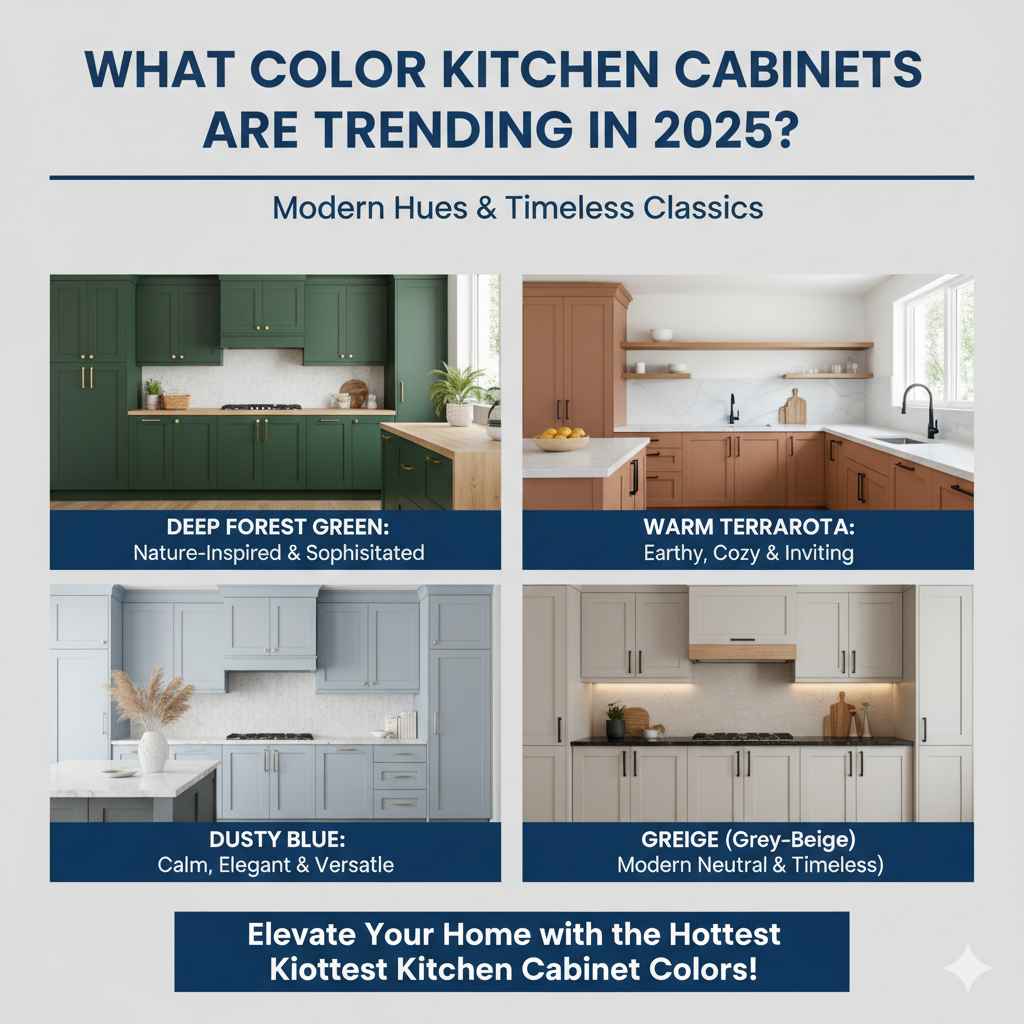
Trending kitchen cabinet colors for 2025 lean towards warm neutrals, earthy tones, and sophisticated deep shades. Think soft beiges, muted greens, rich blues, and classic whites with a twist. These colors offer both style and a cozy feel for modern kitchens.
The Landscape of Trending Cabinet Colors
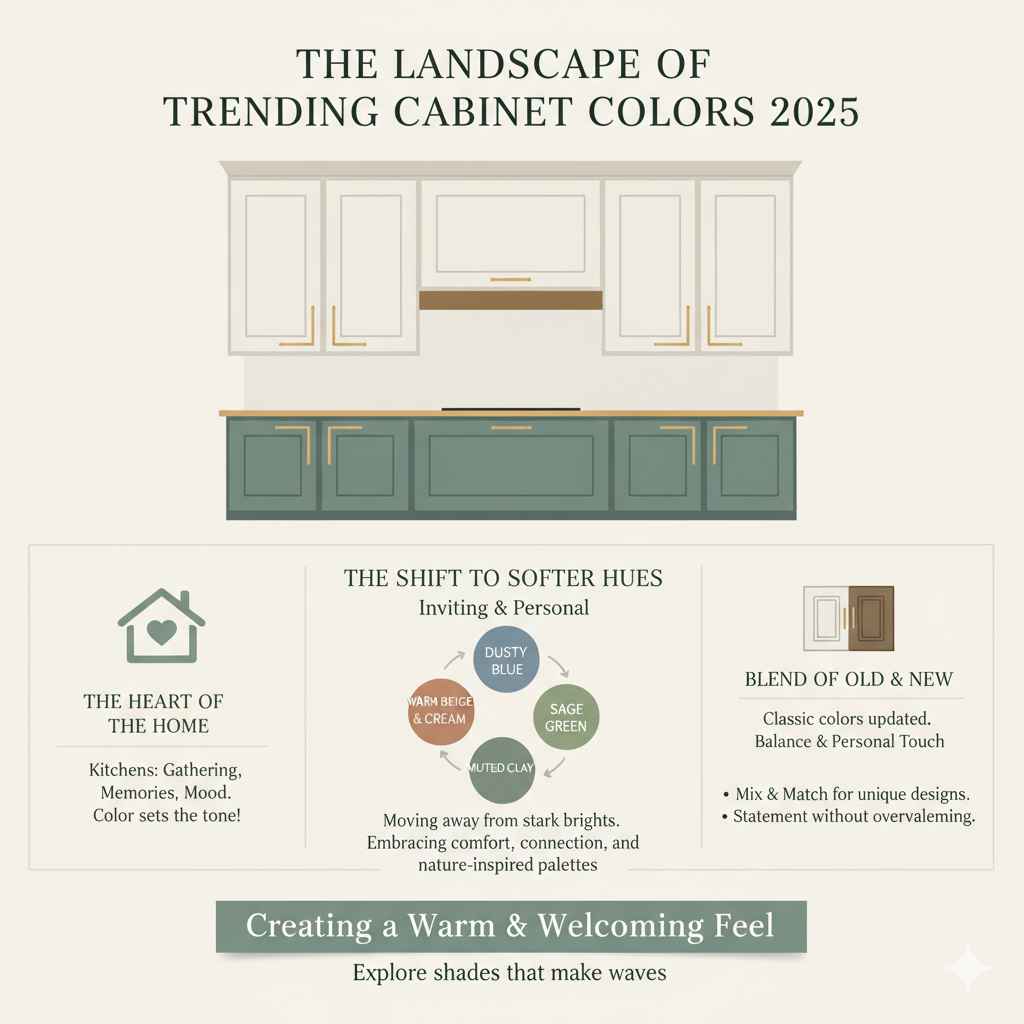
Kitchens are the heart of the home. They are places where families gather and memories are made. So, choosing the right cabinet color is super important.
It sets the whole mood for the space. In 2025, we’re seeing a move away from stark, bright colors. People want their kitchens to feel more inviting and personal.
This means softer, more natural hues are taking center stage. It’s about creating a warm and welcoming feel. This trend reflects a broader desire for comfort and connection in our living spaces.
We’re also noticing a blend of old and new styles. Classic colors are getting a modern update. Bold colors are being used in smart, subtle ways.
The goal is to make a statement without being overwhelming. It’s all about balance and personal touch. This approach allows for more creativity in kitchen design.
You can mix and match to create a look that’s uniquely yours. We’ll explore the specific shades that are making waves and why they work so well.
Warm Neutrals: The New Classic
Neutrals are always a safe bet in design. But for 2025, they’re getting a warm upgrade. Forget cool grays or stark whites.
We’re talking about colors that feel like a cozy hug. Think creamy whites, soft beiges, and light taupes. These shades are incredibly versatile.
They work with almost any other color you can imagine. This makes them perfect for busy homeowners. You won’t have to worry about redoing them soon.
These warm neutrals create a light and airy feel. They make a kitchen seem larger. They also reflect light well, making the space feel brighter.
This is especially true in kitchens that don’t get a lot of natural sunlight. The subtle warmth adds depth and character. It prevents the space from feeling cold or sterile.
Many designers are calling this “greige” – a blend of gray and beige. But the trend is leaning even more towards the beige side.
Consider a soft, sandy beige for your cabinets. It pairs beautifully with natural wood accents. It also looks stunning with matte black hardware.
For a slightly cooler but still warm option, a muted ecru is lovely. This color has a hint of gray. It feels sophisticated and modern.
These warm neutrals are not just a trend; they are becoming a new standard for timeless kitchens. They offer a sense of calm. They also provide a perfect backdrop for personal style.
I remember a project where the client wanted a kitchen that felt like a warm hug. We chose a beautiful, creamy off-white for the cabinets. It had a subtle warmth that just made the whole room feel inviting.
We paired it with a light wood countertop and brushed brass hardware. The result was stunning. It felt timeless yet fresh.
The client was absolutely thrilled. She said it was exactly the cozy retreat she had dreamed of.
Cabinet Color Spotlight: Soft Beige
Why it’s trending: Offers warmth and approachability.
Pairs well with: Natural wood tones, matte black, brushed brass.
Feel it creates: Cozy, inviting, serene.
Best for: Kitchens of all sizes. Works well in spaces needing a touch of warmth.
Earthy Greens and Blues: Nature’s Embrace
Bringing the outdoors in is a huge theme for 2025. Earthy greens and muted blues are perfect for this. They bring a sense of calm and serenity.
Think of the colors found in nature. These are not bright, vibrant shades. They are more subdued and sophisticated.
Sage green, olive green, and deep forest green are popular. For blues, look at dusty blues, teal, and a deep navy.
These colors add a unique personality to a kitchen. They are a step away from traditional white or wood. Yet, they still feel grounded and natural.
Earthy greens connect us to nature. They can make a kitchen feel more organic and peaceful. This is wonderful for a space where we spend so much time.
Dusty blues offer a sense of tranquility and depth. They can evoke feelings of the sea or a clear sky.
Sage green cabinets are a fantastic choice. They look amazing with white or light gray countertops. They also pair well with natural wood elements.
Imagine sage green cabinets with a butcher block countertop. It feels very grounded and inviting. For a bolder statement, consider deep forest green.
This color adds a touch of luxury and drama. It works well in larger kitchens or as an accent.
Muted blues are also making a big splash. A dusty denim blue can create a sophisticated, relaxed atmosphere. It’s a softer alternative to navy.
Teal, with its blend of green and blue, offers a unique depth. It’s a great way to add a pop of color without being too loud. These nature-inspired hues are perfect for creating a kitchen that feels like a personal sanctuary.
They allow for creative styling with plants and natural textures.
I saw a kitchen with deep olive green cabinets recently. It was breathtaking. The homeowner had paired them with a light marble-look quartz.
The hardware was a brushed nickel. The whole room felt so elegant and calm. There were also lots of live plants.
It truly felt like a natural oasis. The deep green was a bold choice, but it paid off beautifully. It gave the kitchen so much character.
Contrast Matrix: Green Cabinet Shades
Normal: Muted Sage Green
Concerning: Neon or Bright Lime Green
Normal: Deep Forest Green
Concerning: Bright, Acid Green
Deep, Moody Hues: Sophistication and Drama
While lighter colors are popular, there’s also a strong trend towards deep, moody hues. These colors bring a sense of drama and sophistication to a kitchen. They can make a space feel more intimate and luxurious.
Think deep charcoals, rich burgundies, and sophisticated dark blues. These aren’t for everyone, but they make a powerful statement.
Dark charcoal gray cabinets are a modern classic. They offer a sleek, contemporary look. They can also add a touch of industrial chic.
Charcoal pairs beautifully with lighter countertops like white quartz or marble. It also works well with stainless steel appliances. This color is surprisingly versatile.
It can make a kitchen feel very grounded and substantial. It’s a great alternative to black.
Rich, deep blues are also trending. These are not your average navy. We’re talking about shades that have more depth, perhaps with a hint of gray or green.
A midnight blue or a deep sapphire can be stunning. These colors evoke a sense of calm and luxury. They pair well with warm wood tones and metallic accents.
Think gold or brass hardware for a touch of glam.
Burgundy or deep red tones are also making a comeback. These colors add warmth and passion to a kitchen. A deep, wine-colored cabinet can feel incredibly inviting and rich.
They are a bolder choice but can be incredibly rewarding. These hues work well in kitchens with good natural light. They can also be softened with lighter accents.
Consider pairing deep red cabinets with a cream or light gray backsplash.
Using deep hues requires careful planning. They can make a space feel smaller if not handled correctly. It’s often best to use them in larger kitchens.
Or, consider using them as an accent color. For example, only on the lower cabinets. This adds visual interest without overwhelming the space.
These colors show confidence and a desire for a unique, dramatic kitchen.
I recall a client who was hesitant about dark cabinets. She loved the idea but worried about her smaller kitchen. We suggested dark navy blue for the base cabinets and white for the uppers.
This created a beautiful contrast. It made the space feel more open while still giving her that desired depth. The dark navy grounded the room.
The white uppers kept it feeling light. She was amazed at how well it worked. It was a perfect compromise.
Quick-Scan Table: Deep Hue Pairings
| Deep Hue | Pairs Well With | Hardware Ideas |
| Charcoal Gray | White Quartz, Light Wood | Matte Black, Brushed Nickel |
| Deep Navy Blue | Cream Backsplash, Walnut Wood | Brass, Gold |
| Rich Burgundy | Light Gray, White | Antique Brass, Pewter |
Whites and Off-Whites: Still a Favorite, With a Twist
White cabinets are a timeless choice for a reason. They are bright, clean, and make kitchens feel spacious. For 2025, classic bright white is still around.
But the trend is leaning towards softer, warmer whites. Think creamy whites, ivory, and subtle off-whites. These shades offer the brightness of white but with more warmth and depth.
These warmer whites feel more inviting than stark, cool whites. They create a softer, more comfortable atmosphere. This is perfect for a kitchen that doubles as a living space.
They are incredibly versatile. They can be paired with almost any color or material. This makes them a safe yet stylish choice.
They provide a beautiful canvas for your personal style.
Consider an ivory cabinet. It has a gentle warmth that is very welcoming. It looks wonderful with natural wood accents.
It also pairs well with gold or brass hardware. For a slightly more modern feel, an off-white with a hint of gray can be lovely. This is sometimes called “alabaster.” It feels sophisticated and refined.
It’s a perfect bridge between warm and cool tones.
The texture of the paint finish also matters. A satin or semi-gloss finish is classic. But matte finishes are also gaining popularity for cabinets.
A matte off-white cabinet can look incredibly soft and chic. It absorbs light rather than reflecting it harshly. This creates a more subtle, elegant look.
These softer whites are perfect for achieving that bright, airy kitchen feel without it feeling sterile.
My sister recently redid her kitchen. She agonized over the white color. She wanted something bright but not cold.
She finally settled on a creamy off-white. It transformed her space. It felt so much larger and more welcoming.
She paired it with a simple white subway tile backsplash and light wood floors. It looked incredibly fresh and inviting. She said it was the best decision she made.
Split Insight Panel: White Cabinet Variations
Bright White: Classic, clean, can feel stark.
Creamy White: Warm, inviting, soft.
Off-White (with gray undertones): Sophisticated, modern, subtle.
Ivory: Gentle warmth, elegant, natural feel.
Two-Tone Kitchens: The Art of Contrast
Two-tone kitchens continue to be a major trend. This involves using two different colors for your cabinets. It’s a fantastic way to add visual interest.
It also allows for a lot of personalization. The most common approach is to use a darker color on the base cabinets and a lighter color on the uppers.
This technique has several benefits. Darker lower cabinets can hide wear and tear better. They also ground the kitchen visually, making it feel more stable.
Lighter upper cabinets can make the space feel more open and airy. This is especially helpful in smaller kitchens. It prevents the upper cabinets from feeling too heavy.
Popular combinations include dark gray or navy on the bottom with white or off-white on top. Another stylish option is a warm wood tone for the lowers and a painted color for the uppers. Green or blue uppers with wood lowers are also quite striking.
You could even do a bold color on an island and a neutral on the perimeter cabinets.
Another way to do two-tone is by using different finishes. For example, painted cabinets on the perimeter and stained wood cabinets for an island. Or, a high-gloss finish on some cabinets and a matte finish on others.
The key is to choose colors and finishes that complement each other. They should create a balanced and harmonious look.
When planning a two-tone kitchen, consider the overall style. Do you want something modern, traditional, or transitional? The color choices will reflect this.
For a modern look, you might pair black or dark gray with white. For a more traditional feel, perhaps a cream with a natural wood tone. The possibilities are endless.
This trend allows for creativity. It helps break up monotony. It makes the kitchen feel more dynamic.
I worked with a couple who wanted a kitchen that felt both practical and stylish. They had a medium-sized kitchen. We decided on deep forest green for all the base cabinets.
For the upper cabinets, we chose a warm, creamy white. We added gold hardware. The result was absolutely stunning.
It felt very sophisticated. The dark green was grounding, and the white uppers kept it feeling bright. They loved that it had personality.
Observational Flow: Two-Tone Cabinet Design
Step 1: Identify your main color (often for base cabinets).
Step 2: Choose a complementary color (often for upper cabinets).
Step 3: Consider material differences (paint vs. stain).
Step 4: Select hardware that bridges the two colors.
Step 5: Ensure balance and avoid overwhelming the space.
The Role of Natural Wood
Natural wood cabinets are always a solid choice. They bring warmth and texture. For 2025, we’re seeing a resurgence of natural wood.
But it’s not just standard oak or cherry. Think about lighter woods like maple or birch. Also, warmer mid-tone woods are popular.
The finish is often more natural. It lets the grain of the wood shine through.
Light wood cabinets can create a Scandinavian or modern minimalist feel. They are bright and airy. They pair well with white countertops and simple hardware.
Mid-tone woods offer a bit more warmth and depth. They can lean towards traditional or transitional styles. They are very versatile.
We’re also seeing wood used in combination with painted cabinets. This is part of the two-tone trend. Wood lowers with painted uppers, or vice versa.
Or, a wood island as a statement piece. The key is to embrace the natural beauty of the wood. Avoid overly dark or artificial-looking stains.
The goal is to bring that organic, natural feel into the kitchen.
Wood grain adds visual interest. It adds texture that paint alone can’t provide. It makes a kitchen feel more grounded and authentic.
When choosing wood, consider the undertones. Some woods have warmer, redder tones. Others have cooler, more neutral undertones.
This will affect how they work with other colors in your kitchen. For 2025, the emphasis is on warmth and natural beauty.
I’ve noticed that clients are asking for more natural materials. They want their kitchens to feel less manufactured and more connected to nature. Using wood is a simple way to achieve this.
It adds a timeless quality. It also brings a comforting, organic feel. Even in a very modern design, a touch of natural wood can make it feel more inviting.
Stacked Micro-sections: Wood Cabinet Considerations
Type: Light maple, birch, or warm mid-tones are popular.
Finish: Natural, matte, or low-sheen to highlight grain.
Pairings: Works well with painted cabinets, quartz, granite, and natural stone.
Style: Adds warmth, texture, and an organic feel.
The Rise of Matte Finishes
The finish of your cabinets plays a big role in their overall look. While gloss finishes have been popular, matte finishes are taking over in 2025. Matte finishes offer a softer, more sophisticated look.
They don’t reflect light as much as gloss. This can make a kitchen feel more subdued and elegant.
Matte finishes are especially great for darker colors. They prevent deep hues from looking too harsh. They also work wonderfully with warmer neutrals.
A matte soft beige or a matte sage green cabinet feels very chic. They can also hide minor imperfections better than gloss finishes.
One of the best things about matte cabinets is how they feel. They have a smooth, velvety texture that is lovely to the touch. This adds a sensory element to the kitchen.
It makes the space feel more luxurious. They are also generally easier to clean than high-gloss finishes. Fingerprints and smudges are less noticeable.
When choosing a matte finish, be aware that some can be slightly more prone to staining. However, modern matte finishes are very durable. They are designed to hold up well in a busy kitchen environment.
It’s important to choose a high-quality paint. This will ensure longevity and ease of care. This finish is a subtle detail that makes a big impact on the overall aesthetic.
I was in a showroom recently, and they had cabinets with a matte finish. They were a deep charcoal color. The finish was so beautiful.
It made the cabinets look incredibly high-end. It felt very modern and understated. It was a big change from the super-glossy cabinets I’d seen everywhere before.
It really highlighted the sophistication of the color.
Quick-Scan Table: Finish Comparison
| Finish | Pros | Cons | Best For |
| Matte | Sophisticated, hides imperfections, soft feel, less glare | Can sometimes show smudges more easily than gloss, may require specific cleaners | Modern, deep colors, warm neutrals, high-end look |
| Satin | Good balance of shine and durability, easy to clean | Slightly more reflective than matte | Versatile, all colors and styles |
| Semi-Gloss/High-Gloss | Very durable, easy to clean, reflects light, makes space feel larger | Shows every fingerprint and scratch, can look sterile if overused | Traditional, high-traffic areas, small spaces needing brightness |
What This Means for Your Kitchen Design
Understanding these trends can help you make better choices for your kitchen. It’s not about following every fad. It’s about finding inspiration.
It’s about picking colors that resonate with you. And colors that will stand the test of time.
When it’s normal to follow trends: If you love the idea of a fresh look. Or if you’re doing a full remodel. Trends can guide you toward current, appealing aesthetics.
Using popular colors like warm neutrals or earthy greens can make your kitchen feel updated. If you plan to sell your home in a few years, these trends can add appeal.
When to worry about trends: If your kitchen is very small. Or if you prefer a very specific, unique style that doesn’t align with trends. Jumping on a trend that doesn’t fit your space or personality can be a mistake.
For example, very dark, moody colors might overwhelm a tiny kitchen. Always consider your home’s architecture and your personal taste.
Simple checks for your kitchen: Before committing to a color, get samples. Paint large swatches on your cabinets. Observe them at different times of day.
See how they look with your countertops, backsplash, and flooring. Consider your lighting. Natural light can change how a color appears dramatically.
Artificial light can also alter colors.
Think about your lifestyle. If you have young kids, very light, matte cabinets might require more upkeep. Consider colors and finishes that are practical for your family.
Ultimately, the best cabinet color is one that you love. It should make you happy every time you walk into your kitchen. Trends are a guide, not a rulebook.
Use them to inform your decisions.
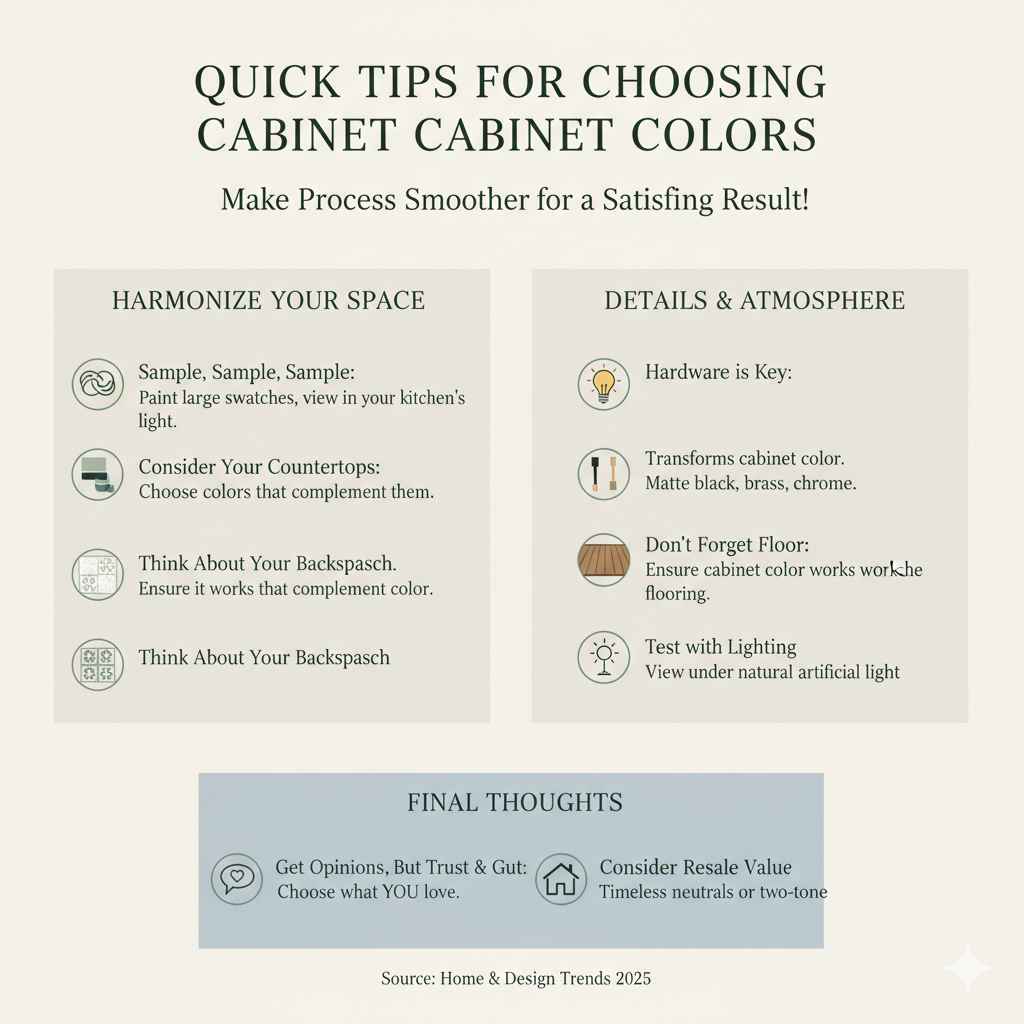
Quick Tips for Choosing Cabinet Colors
Here are some final thoughts to help you pick the perfect cabinet color. These tips can make the process smoother. They can also lead to a more satisfying result.
- Sample, Sample, Sample: This cannot be stressed enough. Paint large samples. Look at them in your kitchen’s light.
- Consider Your Countertops: Your countertops are a major element. Choose cabinet colors that complement them.
- Think About Your Backsplash: The backsplash adds another layer of color and pattern. Ensure it works with your cabinets.
- Hardware is Key: The right hardware can transform cabinet color. Matte black, brushed brass, and simple chrome all have different effects.
- Don’t Forget the Floor: Your flooring is a large surface. Make sure the cabinet color works with it.
- Test with Lighting: Kitchens have different lighting. Test colors under natural light and your kitchen’s artificial lights.
- Get Opinions, But Trust Your Gut: Ask friends or family for thoughts. But ultimately, choose what you love.
- Consider Resale Value: If selling is a factor, lean toward timeless neutrals or popular two-tone combinations.
Frequently Asked Questions about Trending Kitchen Cabinets
What is the most popular cabinet color in 2025?
Warm neutrals like soft beige and creamy off-white are highly popular. Earthy greens and deep blues are also trending strongly for adding personality and a connection to nature.
Are gray cabinets still in style for kitchens?
Gray cabinets, especially cooler tones, are less dominant than they were. However, warmer grays or charcoal grays are still considered stylish and modern, especially when used in two-tone designs or as a sophisticated deep hue.
Should I paint my upper cabinets white if I have dark lowers?
Yes, this is a very popular and effective two-tone strategy. White or off-white upper cabinets can make your kitchen feel lighter and more open, while darker lower cabinets provide grounding and can hide wear.
What are the best cabinet colors for a small kitchen?
Lighter colors are generally best for small kitchens. This includes whites, off-whites, soft beiges, and very light grays or blues. Two-tone designs with light uppers can also work well.
Is natural wood becoming popular again for kitchen cabinets?
Absolutely. Natural wood finishes, particularly lighter woods like maple or birch and warm mid-tones, are making a strong comeback. The focus is on showcasing the wood grain and natural beauty.
Are dark cabinets a good idea for a kitchen?
Dark cabinets can be very stylish and sophisticated, especially in larger kitchens or when used as an accent. Deep blues, charcoals, and rich burgundies are trending. Proper lighting and balancing with lighter elements are key.
What finish is best for kitchen cabinets in 2025?
Matte finishes are trending for their soft, sophisticated look. They hide imperfections well and feel luxurious. Satin finishes remain a practical and popular choice, offering a balance of sheen and durability.
Conclusion: Your Kitchen, Your Style
Choosing cabinet colors for 2025 is all about creating a kitchen that feels both beautiful and personal. Embrace the warmth of neutrals, the calm of nature-inspired hues, or the drama of deep tones. Remember that trends are a starting point.
The most important thing is to select colors that you love and that suit your lifestyle. Your kitchen should be a space that brings you joy every day.