When to Cancel a Winter Archery Session for Safety
Stop a winter archery session the moment one of these appears: slick footing, exposed skin at frostbite risk, or hands so numb that nocking and release are no longer safe. Ignore those signs, and you invite falls, cold injury, missed shots, and a slow walk back that gets harder as fatigue builds. This guide gives a practical go/no-go check for temperature, wind, ice, travel, and hand function.
Winter archery go-no-go rules
Use three separate stop conditions, not one vague cold-weather feeling. If footing is unsafe, the session stops. If exposure time pushes exposed skin toward frostbite risk, the session stops or moves to a warmer setup. If hand function slips enough to threaten a clean draw, nock, anchor, or release, stop and warm up.
That split matters because winter injury risk is not one problem. Wind chill speeds skin cooling, wet gloves pull heat away faster, and frozen access routes can make the outing unsafe before the first arrow leaves the bow.
The three stop conditions
- Footing. Cancel if the access route, shooting line approach, or target lane has black ice, hidden ice under snow, frozen grass, mud-under-ice patches, or any surface that will not hold a steady stance.
- Exposure time. Delay, shorten, or stop if wind and temperature together put exposed fingers, ears, nose, or cheeks at risk that cannot be managed with planned breaks.
- Hand function. Cancel or end the session if fingers are numb enough to fumble a nock, lose string feel, or slow the release so much that safety and control are gone.
Hypothermia is a separate stop condition. Shivering, clumsiness, confusion, and slow reaction mean the session ends immediately and warming starts at once. Wet clothing and long standing periods make that risk worse.
When should you cancel for ice?
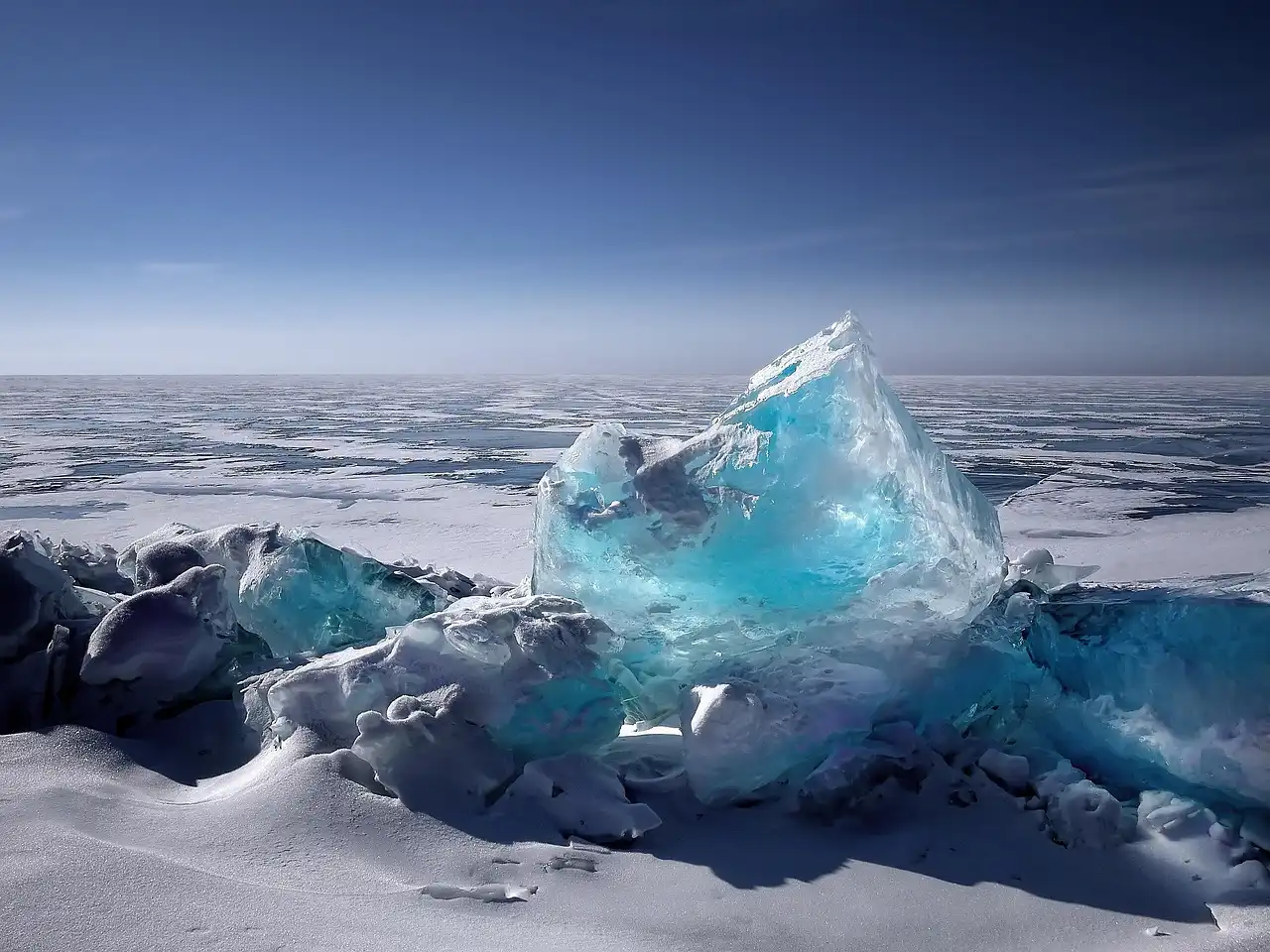
Cancel when ice makes walking, standing, or recovery between arrows unreliable. Black ice on a parking lot, driveway, trail, gate approach, shooting line approach, or target lane is commonly enough reason to call it off. If snow hides the ice, or thaw-refreeze left a hard sheen after a storm, treat the surface as unsafe until it is cleared and stable.
Make that call before you unpack gear. Start with the access route, because a clean shooting lane means little if the walk in or out is slick. Icy surfaces can cause broken bones, head injuries, and torn ligaments, and a fall while carrying a bow or quiver adds another layer of risk.
Black ice on access routes and parking areas
Black ice is thin, hard to see, and common on parking lots, driveways, paths, and field approaches after thaw-refreeze cycles. If the vehicle cannot park without crossing slick ground, or if the walk from the car to the line needs careful tiptoeing, cancel or move elsewhere. A range can look mostly fine and still fail at the first step.
Slip-resistant footwear is not optional on winter access routes. Use a winter outsole with deep tread, and pair it with a cleared walking path. Traction aids or spikes only belong there if they do not interfere with stance on the line or create another slip issue on hard surfaces.
Icy target lanes, ramps, steps, and shooting surfaces
Inspect the lane before shooting. Ramps, steps, frozen grass, and mud-under-ice patches can make the shooting area unsafe even when the target face itself looks usable. If a shooter has to brace, shuffle, or lean to keep balance, that lane is not ready.
Snow can hide a dangerous ice layer, so a white surface is not proof of safety. A common first-timer mistake is trusting packed snow on the lane because it looks softer than bare ice. In practice, the hidden layer is what turns a normal draw into a fall risk.
How cold is too cold for winter archery safety?
There is no single air-temperature cutoff that fits every range. Wind and temperature matter together because moving air increases skin cooling and can push exposed skin toward frostbite faster than the thermometer suggests.
For archery, the practical rule is simple: if the combination of temperature, wind, and wait time between ends puts exposed fingers or face skin at risk, the session should be shortened or stopped. That matters most on open lanes, where there is little shelter between arrows and long pauses can add up fast.
Wind chill and exposed skin
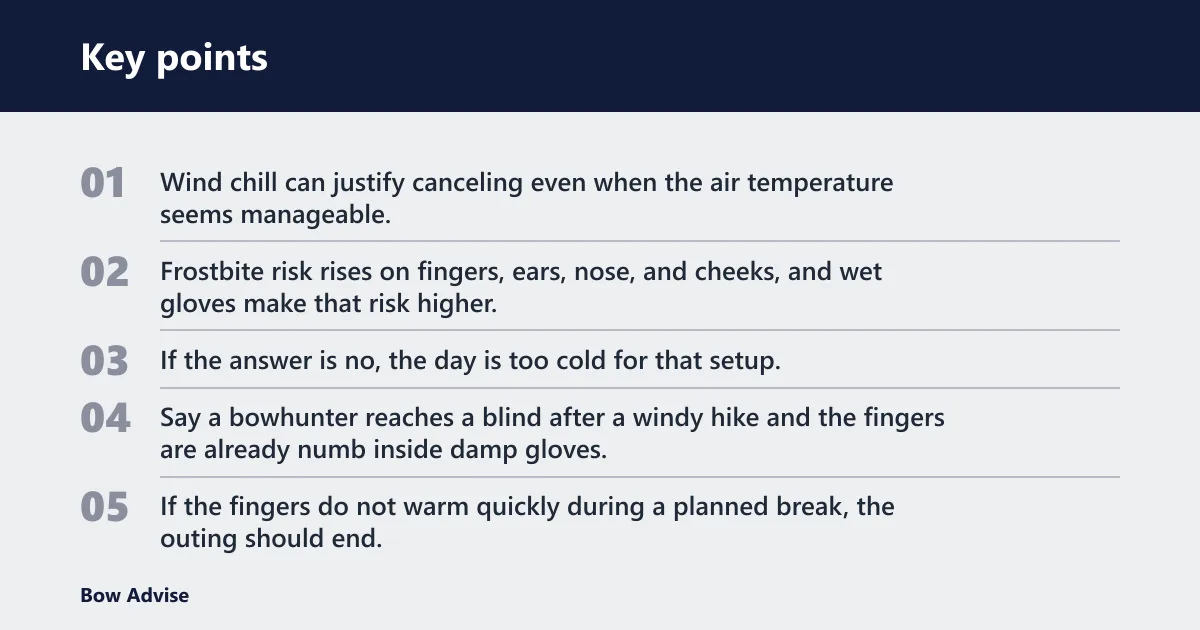
Wind chill can justify canceling even when the air temperature seems manageable. It is especially important on exposed shooting lanes and during waiting periods, when hands cool while the archer stands still. Frostbite risk rises on fingers, ears, nose, and cheeks, and wet gloves make that risk higher.
Use wind chill guidance, then ask a simpler archery question: can the shooter stay functional through the full end, walk the lane safely, and rewarm before the next end? If the answer is no, the day is too cold for that setup.
Time-to-frostbite ranges
Do not rely on a feeling of “it seems okay.” Frostbite can move from numb skin to blisters or blackened tissue if exposure continues, especially with wind and wet gloves. Once exposed skin is at risk, the right move is immediate warming and stopping exposure, not pushing through one more end.
Say a bowhunter reaches a blind after a windy hike and the fingers are already numb inside damp gloves. If the fingers do not warm quickly during a planned break, the outing should end. Rewarming that does not restore function is a stop signal, not a cue to keep shooting. If symptoms persist or worsen after warming, seek medical care.
What frostbite risk should make you stop shooting?
Stop shooting when exposed fingers, ears, nose, or cheeks become numb, pale, waxy, or painful, or when wind and wet gloves are pushing those areas toward frostbite fast enough that a full end cannot be finished safely. Immediate warming and stopping exposure are the correct responses once the risk is high.
Wet gloves matter because they pull heat from the skin faster than dry gloves do. If gloves are soaked from snow, sleet, or spent hand warmers, hand function can drop even before the air feels extreme. That makes nocking, drawing, and serving the release less reliable.
Frostbite warning signs
- Numbness in exposed skin or fingertips.
- Pale, gray, or waxy skin on fingers, ears, nose, or cheeks.
- Pins-and-needles pain after a brief warmup.
- Loss of fine control when nocking or clipping the release.
If those signs appear, the session should stop. Warm the area, dry the gloves, and stop exposure to wind. Do not try to “shoot through” reduced feeling, because cold skin loses precision before it loses pain.
What signs of hypothermia mean I should end practice?
End practice immediately if shivering becomes hard to control, movement gets clumsy, thinking slows, or reaction time slips. Those are hypothermia warning signs, and they mean the body is no longer managing cold stress well. Warm up at once and stop the session for the day if the signs do not clear quickly.
Hypothermia is not the same as a cold face or chilly hands. It is a core-temperature problem, and prolonged standing, wet clothing, and wind make it worse. If the shooter starts missing simple steps like safe arrow handling, it is time to pack up.
Hand function and cold-stress breaks
Short, planned warm-up intervals help limit exposure time. In extreme cold, shorter shooting ends are safer than long sessions with long waits. A cold-stress break schedule should keep hands warm enough to nock, draw, and release without fumbling.
If a planned break does not restore finger feel or steadiness, abandon the schedule and end the day. That failure means the session has crossed from manageable cold stress into unsafe exposure.
- Check the access route first. Walk the parking area, driveway, trail, or gate approach before unpacking gear. If the route needs risky footing, or if traction is not reliable in winter boots, stop there and reassess.
- Inspect the lane surface. Look for black ice, frozen grass, ramps, steps, and mud-under-ice patches on the shooting line and target lane. If any part of the stance or recovery path is slick, cancel or move to a safer range.
- Test hand function. Put on dry gloves and see whether the fingers can still nock, hook the string, and release cleanly. If the hands are numb, clumsy, or too slow, do not start another end.
- Set a short break cycle. Use warm-up intervals often enough that fingers and face recover before the next end. If rewarming does not restore usable hand function, end the session.
- Watch for core cold stress. Shivering, confusion, and slow reactions mean stop immediately, get indoors or into a heated shelter, and warm up.
Winter archery go-no-go checklist
Use this checklist on site before any arrows are drawn. The left column is a hard stop. The middle column means delay and reassess after changing conditions. The right column means the session can continue, but only with precautions and a short exposure plan.
| Cancel now | Delay and reassess | Proceed with precautions |
|---|---|---|
| Black ice on parking area, driveway, trail, gate, target lane, or shooting line approach | Snow-covered lane where ice may be hidden and needs a careful clearing check | Cleared walking route with stable footing and winter outsole traction |
| Exposed fingers, ears, nose, or cheeks moving toward frostbite in under 30 minutes | Wind chill rising, but warm shelter or shorter ends may control exposure | Dry gloves, face covering, and a short planned break schedule |
| Wet gloves plus numb fingers that cannot nock or release safely | Hands feel cold but recover after warm-up and glove change | Spare dry gloves, hand warmers, and shortened ends |
| Shivering, clumsiness, confusion, or slow reactions | Mild cold stress that improves quickly after warming | Warm clothing, layered gear, and a nearby heated shelter |
| Range access route is slick, blocked, or unsafe for a controlled return walk | Access route needs clearing, traction treatment, or a different entry point | Passable route that can be walked without risky footing |
| Rewarming does not restore safe hand function during a break | Need for a longer break, drier gloves, or a more sheltered lane | Hand function returns and the next end can be shot safely |
Notes for range-specific conditions: ________________________________
Access route status: ________________________________
Lane surface status: ________________________________
Break schedule or shelter plan: ________________________________
How do I decide between delaying, shortening, or canceling a session?
Delay if the route is not ready yet, shorten if the cold is manageable only for a smaller exposure window, and cancel when footing, frostbite risk, or hand function crosses a hard stop. That decision should be based on the access route first, then the lane, then the shooter’s ability to stay functional through the end.
Move indoors if the club or bow setup allows it and the outdoor lane is unsafe. If not, keep the decision simple: a short safe session is better than a longer unsafe one.
Suppose the parking lot is clear, but the target lane has frozen grass and one iced step. The correct move is not to “be careful” and continue. Delay for a recheck or cancel, because a stable stance matters more than a good-looking forecast.
Say the lane is clean, but wind pushes exposed fingers into numbness by the second end and wet gloves do not dry on the break. That is a shorten-or-stop situation, not a push-through situation. A warm shelter and dry glove change can save the day only if they restore hand function quickly.
Emergency warming kit for winter archers
A warming kit supports a safe stop decision, but it does not make unsafe conditions safe. Keep dry gloves, a spare hat, hand warmers, an insulated drink, and a blanket in the vehicle or range bag. Heated shelters and scheduled breaks reduce exposure, but they are backup tools, not a reason to ignore ice or frostbite risk.
The kit should help a shooter recover after a short cold-stress break. If it does not restore feeling, steadiness, or normal thinking fast enough, the session ends. That is the point where recovery becomes the priority.
What the kit can and cannot solve
- Can help: dry out wet gloves, restore hand warmth, and support a controlled stop.
- Can help: reduce exposure while waiting for transport or a safer route home.
- Cannot solve: black ice on the access route, hidden lane ice, or a wind chill that keeps pushing exposed skin into risk.
- Cannot solve: hypothermia signs, numb hands that do not recover, or a range surface that will not hold a safe stance.
Frequently asked questions
When should I cancel an archery session because of ice?
Cancel as soon as ice makes walking, standing, or getting back to the vehicle unreliable. Black ice on the parking area, driveway, trail, or shooting line approach is enough to stop the session. Hidden ice under snow is just as serious, because a hard-looking surface can fail without warning.
What frostbite risk should make me stop shooting?
Stop when exposed skin becomes numb, pale, waxy, or painful, especially on fingers and the face. Wet gloves and strong wind raise the risk fast. If a short warm-up does not restore normal feeling and control, the session should end immediately.
Is it safe to shoot on icy ground or a slick range?
No, not if the footing is unreliable. A shooting lane with black ice, frozen grass, ramps, steps, or mud-under-ice patches can be unsafe even when the weather seems manageable. A safe stance, a safe draw, and a safe walk out all depend on stable ground.