How to Warm Up Before Winter Archery: 5-Minute Plan
Warm up for about 5 to 8 minutes with light cardio, shoulder circles, band pull-aparts, thoracic rotations, and 6 to 10 slow draw cycles before the first winter arrows. Skip it and the first shots often feel jerky, high, or inconsistent because cold muscles and stiff joints resist a clean anchor and release. This guide gives a short, shot-specific cold-weather sequence for the muscles and movements your first three to five arrows need.
What you’ll need


- Light resistance band for pull-aparts and scapular activation
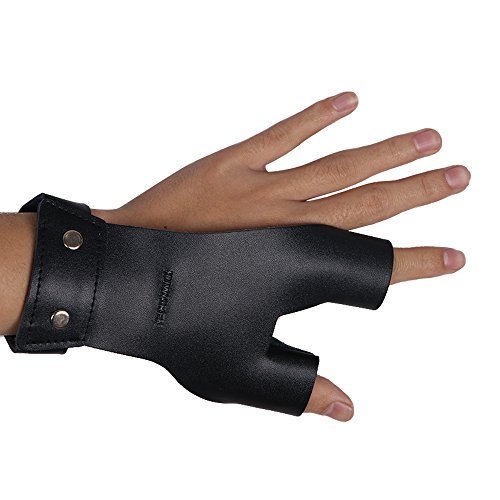
- Thin glove liners or shooting gloves that do not bunch at the grip
- Hand warmers for waiting between ends or while glassing
- Layered clothing with enough room for shoulder rotation
- A quiet blank bale or very close target
- Your hunting bow or target bow already set to normal brace height and crawl, if applicable
- A safe place to do a short acclimation period after stepping into the cold
If you want a controlled place to run the same cold-start sequence indoors, Griffin & Howe offers archery lessons for beginners and experienced hunters, an indoor archery range open from 9 am to 5 pm daily, four lanes available for rent, and a 4D BowSim simulator. Standard lane pricing is $10 per half hour or $20 per hour; the 4D simulator costs $35 per half hour or $70 per hour. Their outdoor course has 12 stations, practice starts at 40 yards, novice target presentations go up to 30 yards, and tournament target presentations range to 80 yards.
Why winter shots feel stiff
Cold air lowers tissue temperature, and the first draw often feels heavier than it does in mild weather. Shoulders, thoracic spine, wrists, and hands all move less freely, so the bow hand can tighten and the string side can lose clean back tension before the release.
The jump from a warm house or vehicle to freezing air adds another layer. That temperature shift can make the first few movements feel wooden, especially if the bow is lifted and drawn immediately. Bulky layers can also change anchor point and shoulder rotation, which matters more for hunters than for short indoor sessions.
How should you warm up before the first winter shot?
Start with a dynamic warm-up, then add shooting-specific activation. Five to 10 minutes is often enough for many archers if the warm-up raises body temperature, loosens the shoulders, and rehearses the draw cycle before any live arrow leaves the string.
Begin with movement, not long holds. Dynamic work helps circulation, while the later draw cycles connect the warm-up to the exact pattern used in the first three to five shots.
Winter archery warm-up checklist
| Step | Estimated time | Purpose | Ready-to-shoot self-test |
|---|---|---|---|
| 1. Walk or march in place | 1 minute | Raise body temperature before the first draw. | Breathing is faster, but calm; hands stop feeling numb. |
| 2. Shoulder circles and band pull-aparts | 1 to 2 minutes | Reduce stiffness in the draw cycle. | Both shoulders rotate without pinching or clicking. |
| 3. Thoracic rotations | 1 minute | Free the upper back for a cleaner anchor and follow-through. | The rib cage turns without forcing the lower back. |
| 4. Wrist and hand activation | 1 minute | Improve circulation and grip control. | Fingers flex and open without delay or aching. |
| 5. Scapular squeeze reps | 1 minute | Prime back tension muscles for a connected release. | Shoulder blades move first, not the drawing hand. |
| 6. Slow draw and let-down cycles | 2 minutes | Rehearse the bow draw cycle before live shots. | Draw feels smooth, and the let-down stays controlled. |
| 7. Blank bale shot check | 1 to 2 minutes | Re-groove form before distance shooting. | Anchor, grip pressure, and release feel the same on each arrow. |
- Walk and breathe. March in place, brisk-walk, or do light jumping jacks for about 1 minute. The goal is simple: get blood moving before the first draw so the bow does not feel like it belongs to a colder body than the one starting the shot.
- Open the shoulders. Do 10 to 15 shoulder circles in each direction, then 10 to 15 band pull-aparts if you have a light band. This reduces stiffness before overhead and bow-draw motions, which matters when the first shot happens in cold air.
- Rotate the upper back. Do 6 to 8 thoracic rotations per side. Keep the hips mostly quiet and let the rib cage move so the turn comes from the upper back, not a twist through the lower spine.
- Wake the hands. Open and close the fingers 20 times, then flex and extend the wrists 10 times per side. Cold hands alter grip pressure and release quality, so circulation must come before the first live arrow.
- Prime the back. Pull the shoulder blades back and down for 8 to 10 short reps, then pause briefly at each squeeze. This scapular activation helps the release feel connected instead of abrupt.
- Draw and let down slowly. Do 6 to 10 draw cycles without shooting, holding each draw only long enough to confirm anchor and back tension. A controlled let-down matters because the first cold draw can feel heavier and slower than expected.
- Shoot blank bale first. Fire 3 to 5 arrows at a close target, then pause and check anchor, grip, and shoulder position. Blank bale work removes distance pressure and helps the first live shots feel the same as the warm-up reps.
Say your first draw in freezing air feels 5 pounds heavier than usual and your front shoulder creeps upward at anchor. The fix is not a harder pull. It is another two or three slow draw-and-let-down reps, then a close blank bale arrow before any distance change.
How long should a winter archery warm-up take?
A practical winter warm-up usually takes about 5 to 10 minutes before the first shot. Shorter than that, and the body may still feel stiff; much longer than that, and the archery part starts to fade into general exercise instead of shot-specific preparation.
Hunters often need the shortest version with enough time to settle after stepping outside. Target archers can add a few more reps if they plan to shoot a full end after the warm-up.
What stretches help before archery in winter?
Use movement-based stretches rather than long static holds. Shoulder circles, band pull-aparts, thoracic rotations, wrist circles, and brief scapular squeezes fit best because they prepare the joints used in the draw cycle without making the muscles feel sleepy or over-loosened.
Hold static stretches until after shooting if they are part of a separate cool-down. Before the first winter arrow, the goal is readiness, not deep range of motion.
Short stretch examples
- 10 arm circles forward, then 10 backward
- 8 band pull-aparts with straight elbows
- 6 thoracic rotations per side
- 10 wrist opens and closes per hand
Should I shoot blank bale first in cold weather?
Yes. A short blank bale phase is one of the best ways to re-groove form before distance shooting in cold conditions. It lets the archer confirm anchor, alignment, and release quality without the extra pressure of aiming at a far target.
Use 3 to 5 arrows at very close range, then decide whether the body still feels synced. If the first close shots are clean, stepping back makes sense; if they are rushed or tense, stay close a little longer.
How do you warm up without changing your form?
Keep layers thin enough that shoulder rotation stays normal, and test anchor with the full clothing setup before heading afield. Cold-weather clothing can push the string hand off its usual contact point, shorten the draw sensation, or block the elbow line if sleeves and collars bunch up.
For hunters, that means the warm-up should happen in the same layers that will be worn during the hunt. For target archers, it means the first shots should match the layer stack planned for the session.
What to check before the first shot
- Bow hand can settle without extra grip pressure
- String hand reaches the same anchor point as in warmer weather
- Lead shoulder stays low instead of creeping upward
- Back tension feels present before release, not after
Suppose a hunter adds a thick midlayer and the string hand now lands against the corner of the mouth a finger-width high. That is a clothing problem, not a shooting skill problem. Adjust the layer fit or anchor contact before going live at distance.
How do you avoid stiff shoulders on your first winter shots?
Do not start with full-speed draws or long holds. Shoulder stiffness usually improves when the first reps are controlled, gradual, and tied to actual bow movement instead of isolated arm stretches alone.
If the shoulders still feel blocked after the first round of warm-up, repeat the band work and scapular squeezes before any full-distance arrow. That second pass is often enough to smooth the first-shot feel.
What should you do before drawing a bow in freezing temperatures?
Give the body a brief acclimation period after stepping from a warm house or vehicle into freezing air. Even 2 to 3 minutes of light movement can soften the temperature shift enough that the first draw does not feel abrupt or sticky.
Keep the hands warm during that wait with insulated gloves or hand warmers, then remove or adjust anything that interferes with grip and release right before shooting.
Common mistakes
- Skipping the dynamic warm-up. Cold muscles need movement first. Static stretching alone does not raise body temperature enough for a clean first draw.
- Rushing the first arrow. The bow draw cycle feels heavier in the cold, so the first shot should come after several slow reps.
- Over-stretching the shoulders. Long holds can make the first few draws feel looser, but they can also reduce control.
- Ignoring the hands. Numb fingers change grip pressure and can disturb release quality before the archer notices it.
- Letting layers change anchor. Thick collars and bulky sleeves can move the contact point and alter shoulder rotation.
- Starting with distance. Blank bale work first is safer for form and usually cleaner for the first winter shots.
Keep a winter-specific warm-up routine with the bow case so later sessions follow the same pattern. The more repeatable the sequence, the less the first shot depends on guesswork.
Frequently asked questions
How should I warm up before shooting archery in cold weather?
Use 5 to 10 minutes of dynamic movement, then 6 to 10 slow draw cycles, then a few blank bale arrows. Start with shoulders, thoracic spine, wrists, and hands so the body is ready for the exact motions the bow demands.
Does cold weather change my anchor point or first-shot feel?
Yes, it can. Bulky clothing, tighter shoulders, and cold hands can shift anchor and make the draw feel heavier. Check the same contact points in the same layers you will wear for the actual session or hunt.
What is the best winter archery warm-up routine for hunting?
A hunting routine should be brief, quiet, and repeatable: walk or march, open the shoulders, activate the back, warm the hands, then do a few controlled draw-and-let-down reps before one or two blank bale arrows. Keep the whole sequence tied to the clothing you will hunt in.