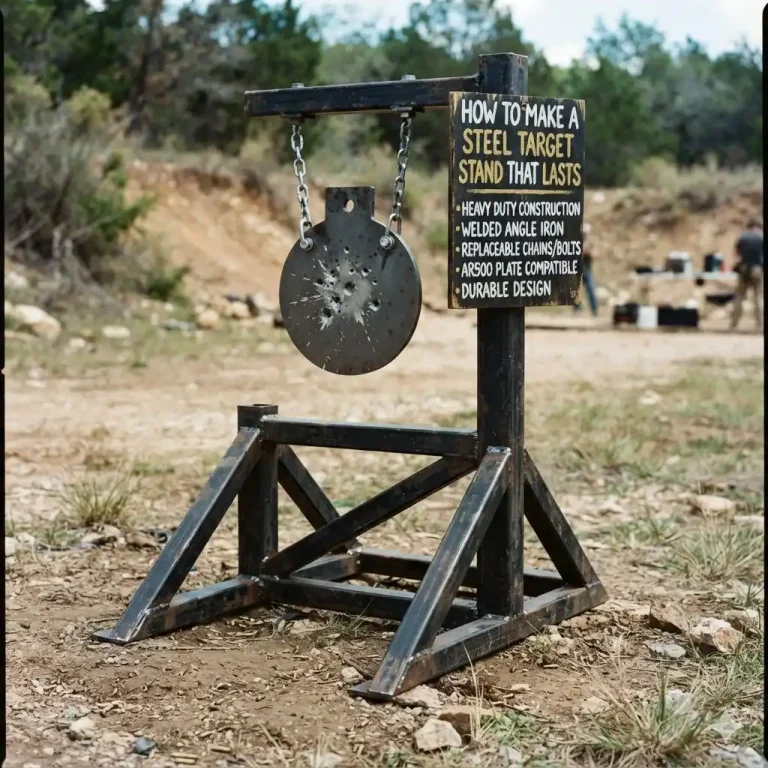
How Tall Are Speed Steel Target Stands? Standard Heights
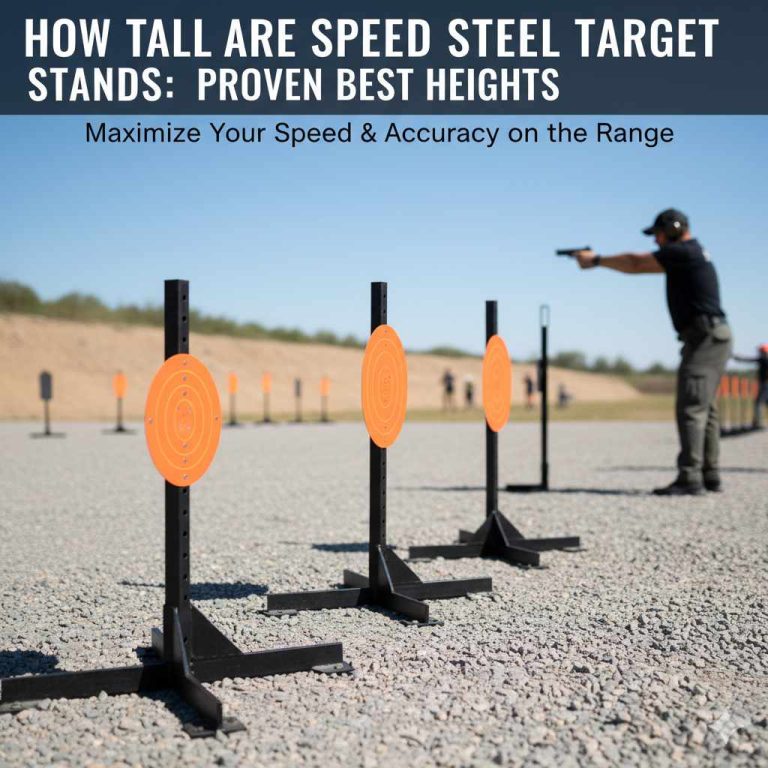
Most speed steel target stands place the center of the target between 3 and 5 feet off the ground. Pistol targets are often lower, around 3 to 4 feet, to simulate a center-mass strike zone. Rifle targets are typically set slightly higher, from 4 to 5 feet, to accommodate various shooting positions and distances.
Hello, fellow shooters! Salman Arfeen here. If you’re new to shooting steel targets, you might be wondering about a simple but important detail: how tall should the stand be? It seems like a small thing, but the right height makes a huge difference in your safety and your training. Getting it wrong can lead to dangerous ricochets or just an awkward day at the range.
Don’t worry, this is a common question, and it’s smart to ask. We’re going to walk through everything you need to know, step by step. This guide will help you choose and set up the perfect target stand height for your needs. You’ll learn how to stay safe, train effectively, and get that satisfying ping every time. Let’s get you set up for success!
Why Does the Height of Your Target Stand Even Matter?
You might think that as long as the target is in front of you, you’re good to go. But the height of your steel target stand is one of the most critical factors for a safe and productive shooting session. It’s not just about having something to aim at; it’s about controlling where your bullets go after they hit the target.
Let’s break down the three main reasons why height is so important:
1. Safety First, Always
Safety is our number one priority on the range. An improperly placed target is a serious hazard. If a target is too low, bullets that hit it can ricochet downwards into the ground at an unsafe angle. This can send fragments of the bullet jacket flying back toward the firing line or to the sides. Conversely, a target that’s too high could cause misses to travel over your backstop, which is an extremely dangerous situation.
The correct height ensures that bullet fragments are directed safely down into the ground immediately in front of the target. Most quality steel targets are designed to be angled slightly downward for this very reason. The stand’s height works together with this angle to manage ricochet and keep everyone safe.
2. Realistic and Effective Training
What are you training for? For most of us, it’s self-defense practice or competitive shooting. In either case, you want your training to mimic real-world scenarios. The average height of a human’s vital zone (center mass) is roughly 3 to 5 feet off the ground when standing. Setting your target stand to this height helps you build muscle memory for accurate shot placement.
- For Pistol Shooters: A target center at about 4 feet is a great starting point for simulating a defensive encounter.
- For Competition Shooters: Many disciplines like USPSA and IDPA have specific rules for target height. Training with stands that match these regulations gives you a competitive edge.
3. Protecting Your Equipment
A good steel target system is an investment. The right stand height helps protect it. If your stand is too short, the legs or base can be accidentally hit by bullet fragments deflecting off the steel plate. Over time, this can damage the stand, making it unstable. A taller stand often keeps the structural components out of the primary “splash zone” of fragmentation, extending the life of your gear.

Common Heights for Steel Target Stands
While there isn’t a single “one-size-fits-all” height, there are common ranges that work best for different types of shooting. The goal is usually to place the center of the steel plate, or “strike face,” at a height that is practical and safe for your specific firearm and shooting discipline.
Here’s a simple table that breaks down the typical heights you’ll see and use:
| Type of Shooting | Common Target Center Height | Why This Height? |
|---|---|---|
| Pistol Training (General) | 3 ft to 4 ft (36″ to 48″) | Simulates the center mass of an average adult, making it ideal for defensive drills. |
| Rifle Training (General) | 4 ft to 5 ft (48″ to 60″) | Provides a clear target view over low-lying brush or uneven terrain at longer distances. |
| USPSA / IDPA Competitions | Varies, but often around 3-5 ft | Official rulebooks specify target heights to ensure a standardized challenge for all competitors. |
| 3-Gun Competitions | Wide Variety (2 ft to 6 ft) | Courses often feature targets at various heights to test a shooter’s ability to adapt quickly. |
| Long-Range Rifle | 4 ft to 5+ ft | A higher target helps shooters see it clearly over mirage and terrain variations at extreme distances. |
As you can see, the right height depends entirely on what you’re doing. A casual plinker with a .22 pistol has different needs than a precision rifle shooter aiming for a target 800 yards away.
Understanding “Strike Face” vs. Stand Height
This is a small but crucial detail that often confuses beginners. The height of the stand itself is not the same as the height of the target’s center. When we talk about target height, we are almost always referring to the height of the center of the steel plate—the part you are actually aiming at. This is often called the “strike face.”
Think of it this way:
- Stand Height: The total height of the physical stand from the ground to the top where the target hangs. A stand might be 5 feet tall.
- Strike Face Height: The height from the ground to the center of your target plate. If a 12-inch round plate hangs from that 5-foot stand, its center might be at 4.5 feet.
When you’re shopping for or building a stand, always consider how your specific targets will hang or mount. You want to end up with the strike face at your desired height, not just a stand of a certain size.
Key Factors That Influence Your Stand Height Choice
Choosing the right height isn’t just about picking a number from a chart. You need to consider your specific situation. Here are four key factors to think about before you buy, build, or set up your target stand.
1. Your Firearm: Pistol vs. Rifle
The type of firearm you use is the biggest factor. Pistols and rifles are used at different distances and for different purposes, which changes the ideal target height.
- Pistols: Typically used at closer ranges (7-25 yards). A lower target height (3-4 feet) is common because it aligns with a natural, stable shooting stance and simulates a close-quarters engagement.
- Rifles: Used at much longer ranges (50-1000+ yards). A taller stand (4-5 feet) is often better. It lifts the target above grass, shrubs, and ground-level heat waves (mirage) that can distort your view through a scope.
2. Your Shooting Discipline
If you plan to compete, your choice is easy: follow the rules! Competitive shooting organizations have detailed rulebooks that specify everything, including target height. For example, the United States Practical Shooting Association (USPSA) has clear guidelines for setting up courses of fire. Training with stands that match these heights will prepare you for match day.
3. Your Shooting Position
Are you always going to be standing? Or will you be practicing from different positions? Your shooting position changes your line of sight, and your target height should accommodate that.
- Standing: This is the most common position. A target center at shoulder or chest height is comfortable and effective.
- Kneeling or Sitting: From these lower positions, a standard-height target is still visible, but you may prefer a slightly lower one for comfort.
- Prone: Shooting from the prone position (lying down) is common for long-range rifle work. Here, you need a stand tall enough to see the target over any terrain between you and it. A target that’s too low might be completely hidden.
4. Your Range and Terrain
Where are you shooting? A flat, manicured range is very different from a rustic outdoor spot in the hills.
- Flat, Clear Range: On a perfectly flat range, you have a lot of flexibility. You can set the height based purely on your training goals.
- Uneven or Grassy Terrain: If you shoot in a field or an area with rolling hills, you need a taller stand. A 3-foot stand might disappear behind a small rise or tall grass, especially at a distance. An adjustable stand is a huge advantage in these environments.
Adjustable vs. Fixed Height Stands: Which is Right for You?
Target stands generally come in two flavors: fixed height and adjustable. Both have their place, and the best one for you depends on your budget and how you plan to use it.
Fixed Height Stands
These are simple, sturdy, and often more affordable. They consist of a base and a vertical post set to one specific height. They are great for shooters who have a dedicated range and consistent training needs.
- Pros: Simple design, very stable, often cheaper, quick to set up.
- Cons: Not versatile, may not work well on uneven ground, can’t be adapted for different shooting drills or positions.
Adjustable Height Stands
These stands have a telescoping post or another mechanism that allows you to change the target height. They offer incredible versatility, making them a favorite for shooters who train in various disciplines or locations.
- Pros: Extremely versatile, can be adapted for any drill, works well on uneven terrain, can be used for both pistol and rifle training.
- Cons: Can be more expensive, may have more moving parts that could fail, might be slightly less stable than a fixed stand if not designed well.
For most beginners, an adjustable stand is a fantastic investment. It grows with you as your skills and interests evolve. You might start with pistol drills at 4 feet but later decide to try long-range shooting where you need a 5-foot height. An adjustable stand handles both with ease.
How to Set Up Your Steel Target Stand Safely
Once you have your stand, setting it up correctly is key to a safe day at the range. Just unboxing it and throwing it out there isn’t enough. Follow these steps every single time you set up your targets.
- Choose a Safe Location: Your first step is ensuring you have a safe backstop. This should be a large earth berm or hill that is free of rocks and other hard objects. It must be tall and wide enough to stop any missed shots.
- Ensure Stable Ground: Place the stand on the flattest, most stable ground you can find. A wobbly stand can tip over, which is dangerous. If the ground is uneven, dig out a small flat spot for the stand’s base.
- Verify the Target Angle: This is a critical safety check. Your steel target plate should be angled slightly downward, around 20 degrees. This angle forces bullet fragments to deflect straight down into the dirt. Most modern target hangers have this angle built-in, but always double-check it. Never shoot at a steel target that is perpendicular to the ground or, even worse, angled up.
- Maintain a Safe Distance: Steel targets are not for close-range shooting. Fragments can travel back toward the shooter. Follow the manufacturer’s minimum distance recommendations, and adhere to general safety rules. For more information on this, safety organizations like the National Shooting Sports Foundation (NSSF) provide excellent guidelines.
- Pistols: Generally a minimum of 10-15 yards.
- Rifles: Generally a minimum of 100 yards. (This varies greatly based on caliber).
- Wear Your Protective Gear: This should go without saying, but always wear high-quality, wrap-around eye protection and hearing protection when shooting, especially with steel targets.

DIY vs. Buying a Stand: What’s Best for You?
Many shooters love a good DIY project. Building your own target stand can be a rewarding and cost-effective option, but it’s not for everyone. Let’s compare it to buying a professionally made one.
| Factor | Buying a Stand | Building a DIY Stand |
|---|---|---|
| Cost | Higher initial cost ($50 – $200+). | Can be cheaper if you have the tools and skills. Materials like lumber or steel pipes are relatively inexpensive. |
| Time & Effort | Minimal. Just unbox and assemble in minutes. | Requires planning, cutting, and assembly. Can take several hours. |
| Safety & Reliability | Professionally engineered and tested for stability and proper target angle. Generally very safe. | Safety depends entirely on your design and build quality. An improper angle or unstable base can be very dangerous. |
| Features | Often includes features like adjustable height, tool-less assembly, and durable coatings. | Limited only by your imagination and skill. You can customize it perfectly to your needs. |
My advice for beginners? Start by buying a quality stand from a reputable manufacturer. This removes any guesswork regarding safety and lets you focus on learning to shoot. Once you become more experienced, you can explore DIY options if you enjoy that kind of project.
Frequently Asked Questions About Steel Target Stands
What is the best all-around height for a steel target stand?
If you need one height that works reasonably well for both pistol and rifle, setting the center of the target at 4 feet (48 inches) is a great compromise. It’s high enough for good visibility with a rifle at a distance but still low enough to be a realistic training height for pistol drills.
How does the stand’s height affect ricochet safety?
The stand’s height works with the target’s downward angle to direct bullet fragments safely into the ground. A target that’s too low might not have enough space for the fragments to travel before hitting the dirt, potentially causing them to splash back. A target at a proper height (3-5 feet) provides an ideal safety margin.
Can I use the same stand for my rifle and my pistol?
Yes, absolutely! This is where adjustable-height stands shine. You can set it lower for your pistol practice and raise it for your rifle session. If you have a fixed-height stand, choose one around the 4-foot mark, as it’s a versatile middle ground.
Why do steel targets need to be angled down?
The downward angle (usually 15-20 degrees) is a critical safety feature. When a bullet hits the flat surface of the steel, it fragments. The angle ensures that 100% of that fragmentation is directed safely into the ground below and in front of the target, rather than back at the shooter or off to the sides.
What is the minimum safe distance to shoot steel targets?
This depends on the firearm and ammunition. As a general rule: 10-15 yards for most common pistol calibers, 50 yards for pistol-caliber carbines and shotguns with buckshot, and 100 yards for most centerfire rifles. Always check the target manufacturer’s recommendations first!
What kind of steel should my target be made of?
Always use targets made from AR500 or AR550 hardened steel. This type of steel is hard enough to withstand bullet impacts without denting or cratering. Softer steel can be damaged by bullets, creating an uneven surface that can cause dangerously unpredictable ricochets.
Are adjustable stands worth the extra money for a beginner?
In my opinion, yes. An adjustable stand is one of the best investments a new shooter can make. It allows you to experiment with different drills, positions, and firearms without needing to buy multiple stands. Its versatility will save you money in the long run and allow your gear to grow with your skills.
Final Thoughts: Hitting Your Mark with the Right Stand
Choosing the right height for your speed steel target stand might seem like a small detail, but as we’ve seen, it’s fundamental to your safety, the quality of your training, and the longevity of your gear. It’s not about finding one perfect number, but about understanding the principles and applying them to your specific needs.
Remember the key takeaways: aim for a strike face height between 3 and 5 feet, consider your firearm and training goals, and always, always prioritize safety with proper setup and distance. Whether you choose a simple fixed stand or a versatile adjustable one, getting the height right will make your time at the range more productive, safer, and a lot more fun.
Now you have the knowledge to set up your targets with confidence. Go enjoy that satisfying ping!