What Mature Bucks Do in the First 30 Minutes After Sunrise
In the first 30 minutes after sunrise during the rut, mature bucks usually leave or stay near their night bedding cover, shift toward doe movement, and offer the best odds from first light to about 20 minutes; after that, many areas turn quiet fast. Miss that window, and you often sit through a dead zone while the buck has already slipped back into cover or shifted downwind. This guide explains where mature bucks move, what triggers a killable shot, and how to read the transition from first light to daylight.
How rut phase and pressure shape early-morning buck movement


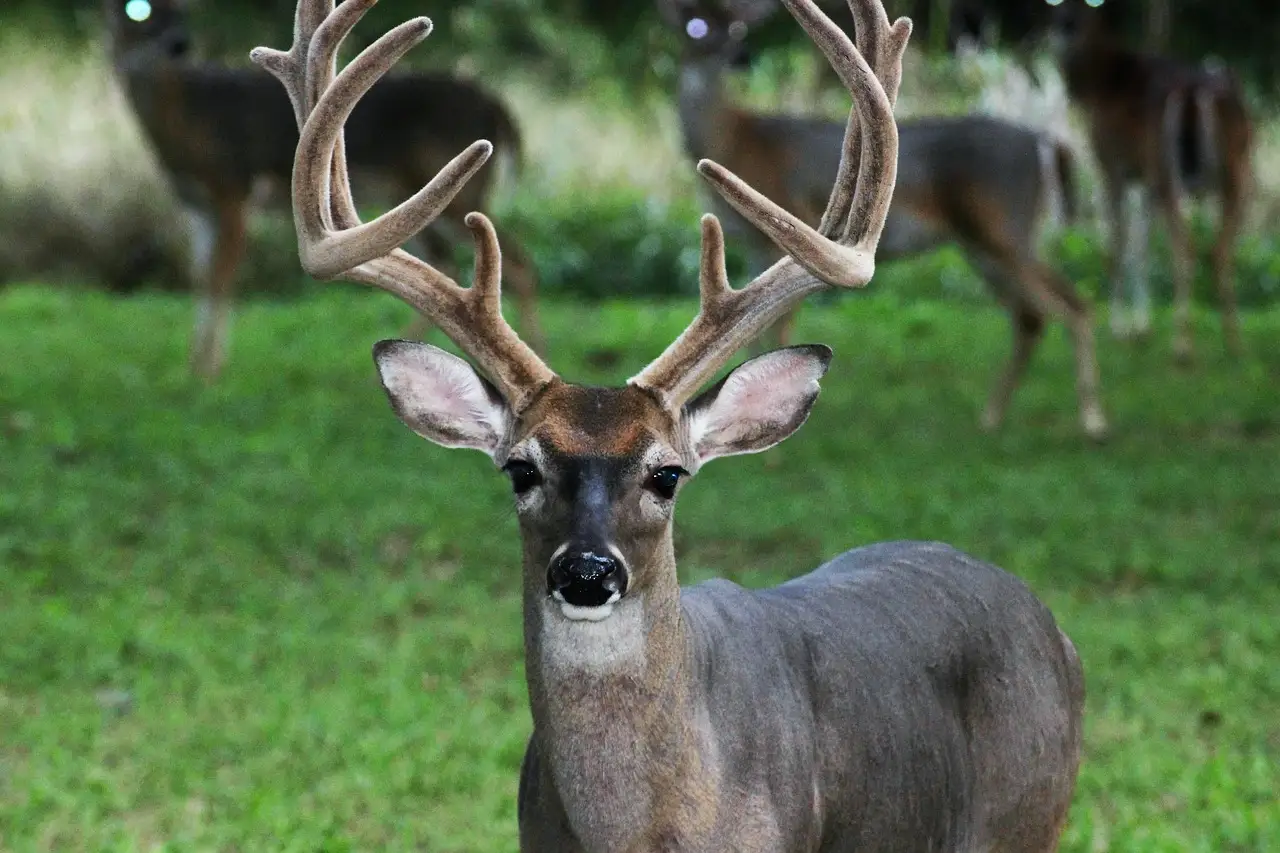
Mature whitetail bucks are usually 3.5 years old or older, and that age class reacts to rut pressure differently than younger deer. After sunrise, they do not keep moving hard for long. They often make a short, purposeful shift from night bedding toward daytime cover, and that move changes with rut phase, doe scent, wind, and hunting pressure.
In pre-rut and seeking periods, a buck may cruise travel edges, scent-check doe areas, and move between bedding cover and staging areas before daylight fully settles. During chasing, he may be more visible and cover more ground, but the movement still tends to be short-lived after sunrise. In lockdown or late post-rut periods, movement often tightens to thicker cover, with less daylight wandering and more bed-to-feed or bed-to-browse shifts.
Pressure changes the pattern fast. A mature buck that finds human intrusion, bad access, or scent blowing into bedding cover often cuts the morning short and slips into thick cover, sometimes on the downwind side of the bedding area or along a less obvious exit trail.
Why older bucks act differently
Younger bucks often linger longer in open lanes and can tolerate more daylight exposure. Mature bucks are more selective. They are more likely to use terrain, cover, and wind to reduce risk, and they often stop moving once legal shooting light has started and the first safe opening has passed.
Legal shooting light vs sunrise
Sunrise is not the same thing as legal shooting light. Legal shooting light is the state-specific window when a shot is lawful and a target can usually be identified safely; sunrise is a calendar moment. That gap matters because bucks may already be moving before the sun appears, while hunters may still be waiting for legal light to take a shot.
In practice, the first killable window often begins at legal shooting light and runs through about the first 15 to 20 minutes after sunrise, depending on cover, weather, and rut phase. The difference between those time marks matters in thick bedding cover where a buck can appear, vanish, and be gone before the woods fully brightens.
- Confirm legal light. Check the state’s legal shooting time for that date and area, then be settled before it starts. The goal is to be ready when visibility opens, not while you are still adjusting gear at the edge of daylight.
- Set by darkness. Finish the last quiet movements before legal light if possible. A noisy setup after sunrise can push a buck back into cover before the best movement window begins.
- Watch the transition. Use the time between legal light and sunrise to watch the bedding edge, exit trail, or funnel. That period often reveals the first body language shift before the deer actually steps out.
Where bucks move in the first half hour
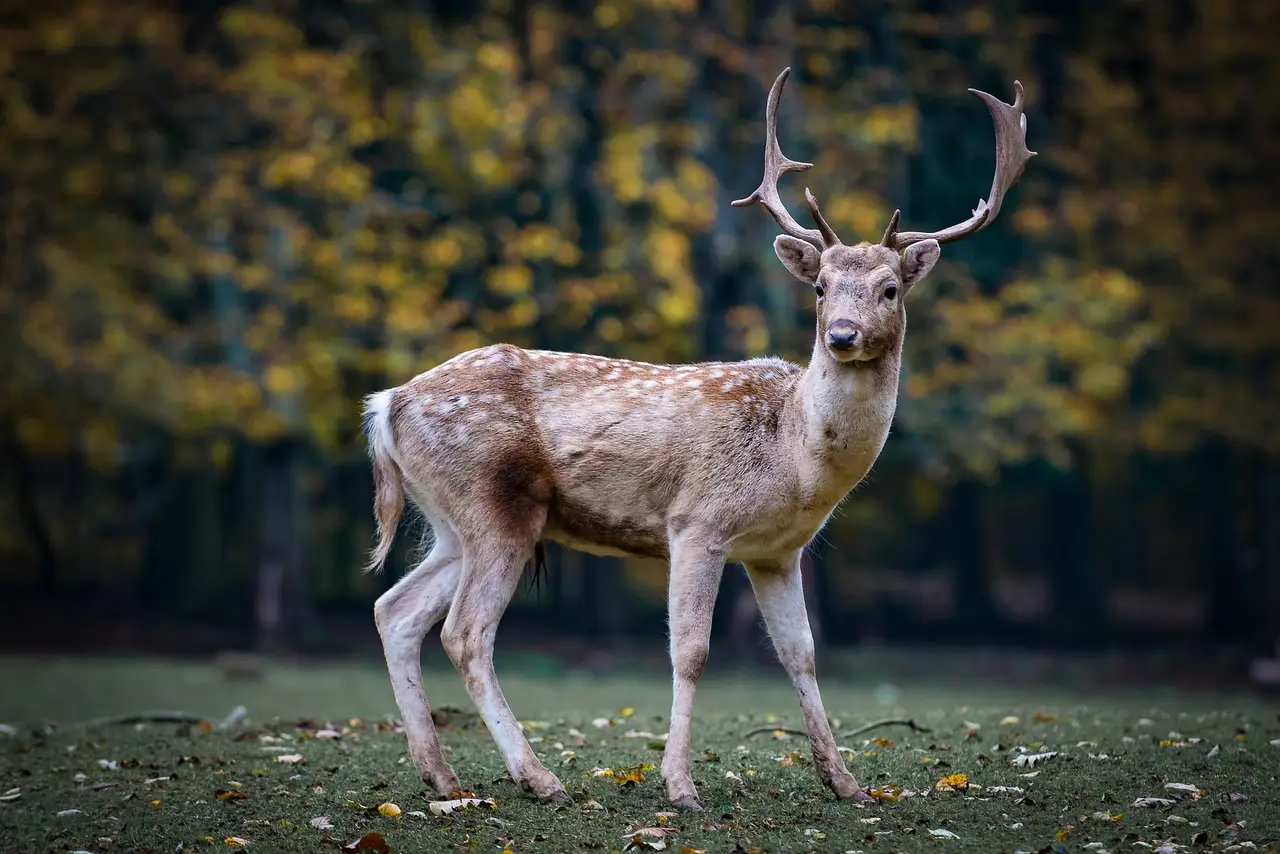
During the first 30 minutes after sunrise, mature bucks are often reported to travel in transition ground rather than across open daylight country. The most common locations are bedding-edge cover, morning exit trails, staging pockets, rub lines, scrape lines, and terrain funnels that connect thick cover to doe-heavy ground.
That movement often starts near night bedding cover, especially where a buck can leave using the downwind side and stay screened by brush, creek bottoms, or broken terrain. As daylight builds, the same buck may shift toward thicker daytime cover or stall in a staging area just short of where does feed or bed.
Bedding-edge cover and morning exit trails
Bedding areas are usually thick cover with a safe approach and a way to smell danger before exposing the body. After sunrise, mature bucks often leave by an exit trail that keeps them on the downwind edge of that bedding. If a hunter can cover that trail without blowing scent into the bed, the odds are better than sitting random open ground.
Nearby doe concentration zones matter too. A buck may not walk straight into the open; he may skirt the edge of a doe area, pause in cover, and wait for scent clues or another deer to move first.
Rub lines, scrape lines, and staging areas
Rub lines and scrape lines are best read as travel clues, not as stand-alone magic spots. Fresh rubs, peeled bark, damp scrape dirt, and frequent sign clustered along a corridor can point to a staging area near bedding or a funnel leading into a doe pocket. Old sign farther back is less useful than fresh sign from the current rut phase.
A common first-timer mistake is hanging a stand on the sign alone and ignoring the route. The better question is where the buck is likely to travel from cover, and whether that route stays concealed in the first 30 minutes after sunrise.
Funnels, saddles, crossings, and edge transitions
Terrain funnels concentrate movement because they narrow the choices a buck has. Ridge saddles, creek crossings, pinch points between thick edges, and brushy transitions between timber and openings can all force a buck to use a predictable line. Those spots matter most at dawn when a mature buck wants speed, cover, and a wind advantage at the same time.
Edge transitions are often overlooked. A buck may cruise the border between mature timber and young cutover, or along the edge of a swamp and a drier bench, because those borders hide movement while still letting him scent-check open ground.
| Time after sunrise | Likely buck activity | Likely location type | Best stand response | Warning signs the hunt is blown |
|---|---|---|---|---|
| 0-5 minutes | Final night-to-day shift, often cautious and direct | Bed edge, thick exit trail, hidden edge cover | Stay still, watch the first legal shooting lanes, and do not adjust gear | Sunwind in the bedding cover, visible movement in the open, or noisy setup |
| 5-10 minutes | Short cruising move or scent-check near bedding | Staging pocket, rub line, scrape line, narrow funnel | Be ready to draw early if the lane is clear; avoid looking around too much | A buck already crossed downwind of the stand or circled behind you |
| 10-15 minutes | Searching for does, checking edges, pausing often | Doe edge, crossing, ridge saddle, timber finger | Hold the primary lane and ignore secondary movement unless it opens a shot | Thermals carrying scent into the route or deer reacting to your setup |
| 15-20 minutes | Movement starts to compress or shift to cover | Thicker cover, concealed trail, bedding-side downwind edge | Keep watching, but expect fewer visible shots and more hidden travel | Area goes quiet, no fresh sign of movement, or a buck turns away before committing |
| 20-30 minutes | Many mature bucks have already moved or stopped | Deeper cover, secondary bed, or a dead zone between hubs | Stay only if the stand covers a known bed-to-feed or bed-to-funnel route | No fresh deer activity, wind swirl, or repeated empty lanes with no sign of travel |
How wind and thermals shift after sunrise
Wind direction matters before daylight, but the first half hour after sunrise adds a second layer: thermals. As the sun warms the ground, rising air can pull scent uphill or out of low areas, changing the way odor moves through a bedding edge, creek bottom, or saddle. A stand that was clean at legal light can turn bad once the sun hits the slope.
A bedding-side wind strategy means setting where the wind protects access and keeps scent out of the bed. After sunrise, the hunter must also consider thermal drift. In a low draw, scent may pull downhill before the sun warms the slope, then reverse or swirl as the air changes. That is why a stand can be strong for the first 10 minutes and weak by minute 25.
- Map the scent path. Trace where your odor will travel at legal light and again after sunrise. A setup that looks good on wind alone can fail once thermals begin to move.
- Choose one clean lane. Favor a setup that controls one primary entry route to the bedding edge, funnel, or crossing. If the scent cone crosses the route, the stand is poor even if the sign is strong.
- Expect a shift. If the setup depends on a draw or low spot, plan for the thermal change after sunrise. That change often marks the difference between a live opportunity and a dead zone.
Say your stand sits above a creek crossing and the wind is steady out of the west at first light. If the sun warms the east bank and lifts thermals into the crossing, the scent line can bend toward the trail in less than 20 minutes. That setup may look solid at legal light and fail by the time the first buck approaches.
Best stand setups for dawn rut hunts
The best setup for catching a buck in the first 30 minutes after sunrise depends on where the deer are coming from, not just on where sign is thickest. Funnel setups work when you can intercept a known route. Bedding-edge setups work when the access and wind stay clean. Pressure-adjusted setups matter when other hunters are already pushing bucks toward thicker cover.
Funnel setups
Use these where terrain forces predictable movement: saddles, pinch points, creek crossings, and tight edge transitions. They are best when the morning route connects bedding cover to a doe concentration zone. A funnel is strongest when the stand does not need the buck to expose himself for long.
Bedding-edge setups
These work best when the stand can cover a morning exit trail without blowing scent into the bed. The ideal placement is just off the bedding edge, with a wind that keeps the buck from smelling the setup before he is visible. If the access route crosses the deer’s line of travel, the stand is weak even if the cover looks perfect.
Pressure-adjusted setups
In pressured areas, mature bucks often move less boldly and hold tighter to thick cover. That means the stand should cover the deepest part of the travel route that still allows a shot, often on the downwind side of cover or on a hidden edge between thick blocks. After one bad intrusion, the same area may turn into a dead zone fast.
- Pick the route first. Choose a stand based on the buck’s likely exit line, not on a pretty map feature. The best stand covers where a buck must move, not where he might wander.
- Trim the access risk. Enter from a path that avoids bedding scent and fresh tracks. If the setup requires crossing the deer’s morning route, move the stand or save it for another wind.
- Match the rut phase. Use tighter funnels during seeking and chasing, and use thicker, slower edges during lockdown or post-rut. The same stand can be excellent one week and poor the next.
What mature bucks checklist
This checklist breaks the first 30 minutes after sunrise into short blocks. Use it to decide whether the buck is still likely to move, where he is probably holding, and when the stand should be considered spent for that sit.
| Block | Likely buck activity | Likely location type | Best stand response | Warning signs the hunt is already blown |
|---|---|---|---|---|
| 0-5 minutes | Quiet exit from night bedding or a final check of the downwind edge | Bedding edge, hidden trail, thick side of a funnel | Hold still and keep the first legal lane in view | Noise at setup, scent blowing into the bed, or movement visible before legal light |
| 5-10 minutes | Short cruise for doe scent or a cautious shift to staging cover | Staging area, rub line, scrape line, pinch point | Stay ready to shoot without moving your head often | Buck circles downwind and catches human odor, or the lane is now empty with no follow-up sign |
| 10-15 minutes | Searching behavior, with brief pauses to scent-check | Doe edge, saddle, crossing, timber finger | Watch the route that connects bedding to doe cover | Thermal change starts carrying scent into the travel line |
| 15-20 minutes | Movement slows or shifts deeper into cover | Thicker cover, back side of bedding, secondary route | Keep the stand only if it covers a hidden morning route | Repeated empty lanes, no fresh sign, or a deer turns away before entering range |
| 20-30 minutes | Many mature bucks are done moving in exposed terrain | Deep cover, dead zone, or a new downwind bed | Stay only on a proven all-morning setup | The woods go flat, wind swirls, or pressure has already pushed deer off the route |
If a stand is set on the edge of a cut bean field with a cedar line behind it, and a mature buck has not appeared by about 15 to 20 minutes after sunrise, that setup may already be past its best window unless the route also catches a later bedding-to-cover shift. Open edges often go quiet faster than narrow funnels.
Frequently asked questions
What do mature bucks do right after sunrise during the rut?
Right after sunrise, mature bucks usually finish a short night-to-day move, often leaving bedding cover or easing along its downwind edge. During the rut, that move may include scent-checking doe areas, pausing in staging cover, or slipping toward a funnel. The movement is often brief and cautious.
Are bucks still moving after daylight starts in the rut?
Yes, but the movement often drops fast once daylight is established. Mature bucks may still move after sunrise, especially during seeking and chasing phases, but many stop once they clear the bedding edge or feel pressure. In pressured areas, daylight movement can end even sooner.
How long do mature bucks move after sunrise?
For many setups, the useful window is often the first 15 to 20 minutes after sunrise, and the first 30 minutes can still be worth sitting if the stand covers a known route. That does not mean every buck stops at the same minute. It means most of the high-value movement compresses early.
What stage of the rut has the most morning buck movement?
Seeking and chasing usually create the most visible morning movement because bucks are covering more ground and checking for receptive does. Pre-rut can also be strong near bedding and staging areas. Lockdown often reduces open movement, and post-rut tends to tighten travel even more.
Where do mature bucks go after first light in the rut?
After first light, mature bucks usually slide toward thicker daytime cover, a secondary bed, or a concealed staging area near doe movement. If pressured, they may stay on the downwind side of cover and use terrain to avoid exposure. They rarely wander far in open ground without a reason.
What is the best setup for catching a buck in the first 30 minutes after sunrise?
The best setup is the one that covers a known exit trail, funnel, or bedding-edge route with clean wind and a manageable thermal shift. A stand that intercepts the first safe move from bedding to daytime cover is usually stronger than one placed only on fresh sign. Access and scent control decide the result.