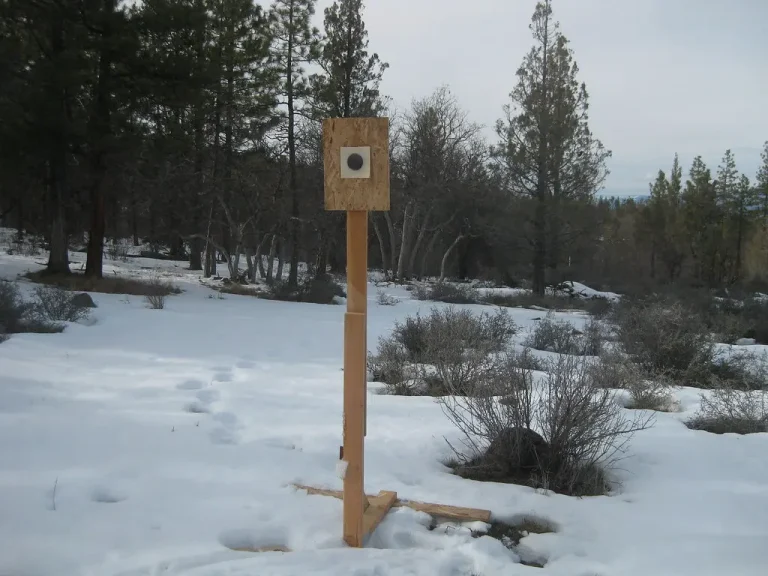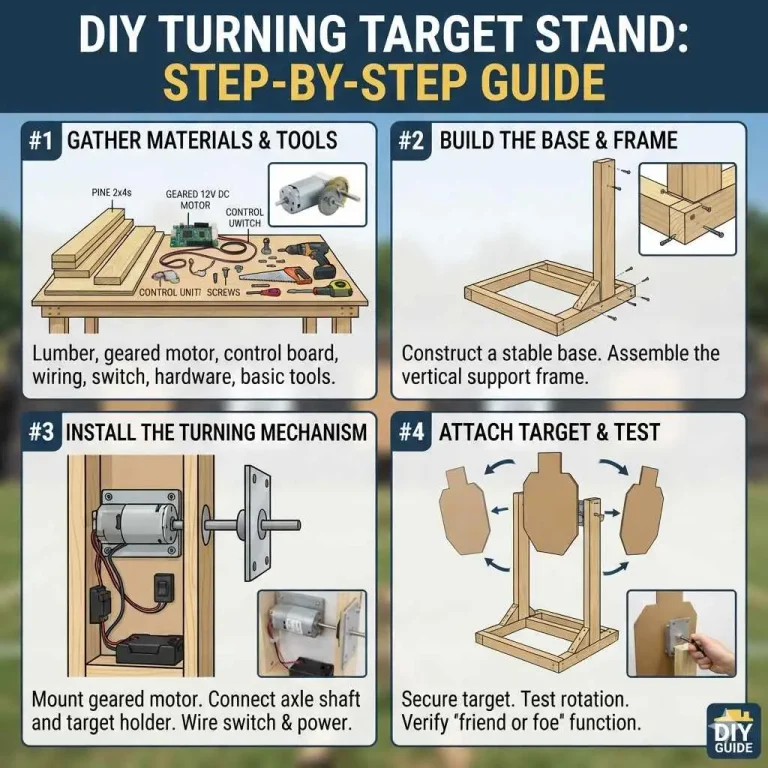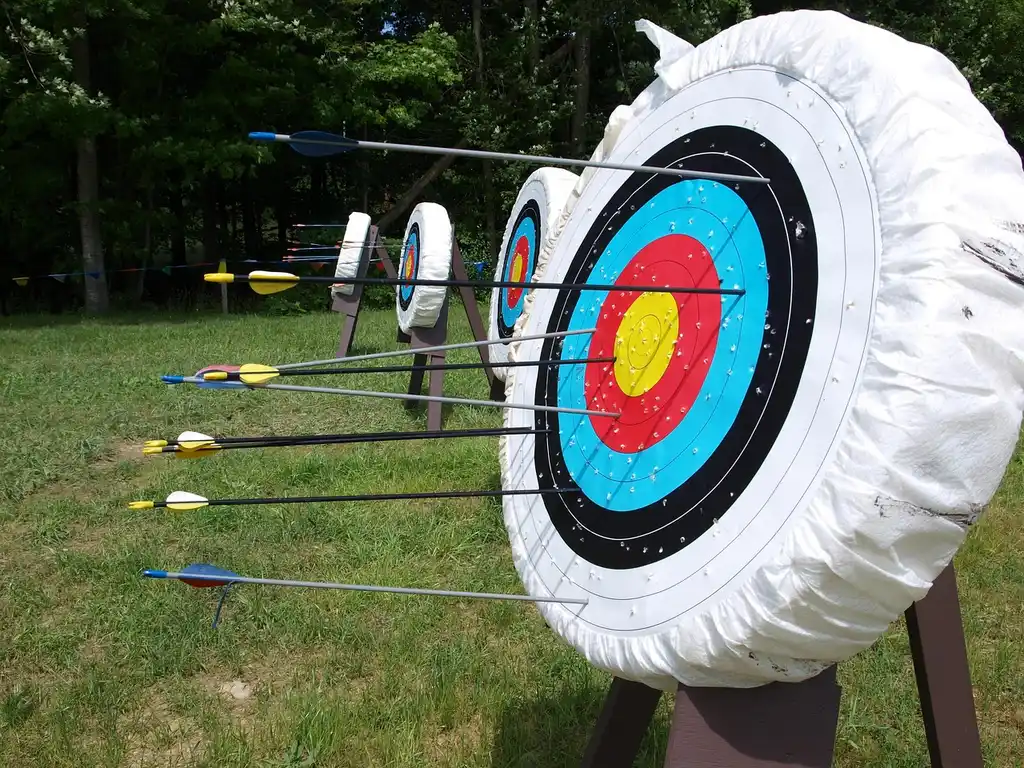
PVC vs Wood Target Stand DIY: Which Build Is Better?
PVC is often a better fit for portable, short practice sessions with light targets, while wood may be a better fit for heavier bags, breezier yards, and longer-term backyard use. Pick wrong and you get wobble, tipped stands, damaged targets, and wasted money. I’ll break down PVC vs wood target stand DIY by stability, cost, build effort, portability, and which setup fits my practice.
This guide is part of our Target stand DIY: Plans, materials, and builds series.
PVC vs wood target stand DIY: the core trade-off
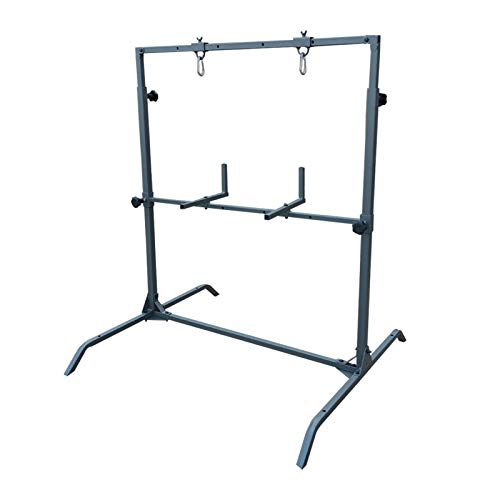
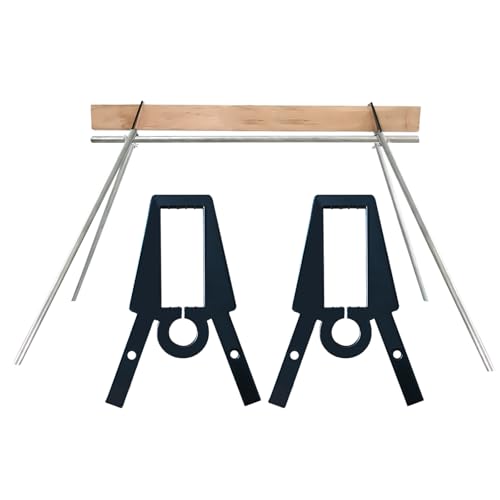
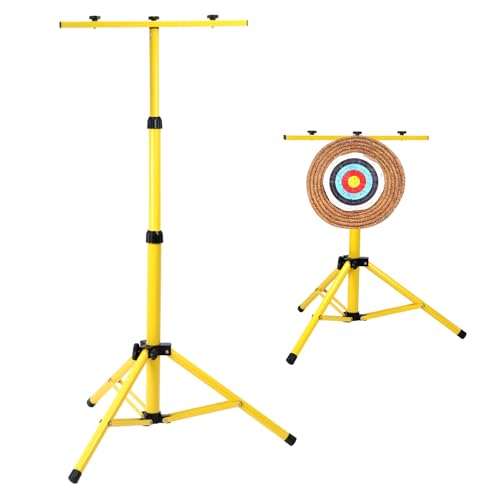
The trade-off is simple. PVC moves easier and costs less to start. Wood generally stays stiffer and can handle load and wind better.
A light stand that walks after every shot wastes more time than it saves.
Use PVC when you want a quick setup for a short practice session. Consider wood if you plan to leave the stand outside, use a heavier bag, or practice in a yard that gets gusty.
| Decision factor | PVC | wood target stand DIY: Which build is better for archery practice | Winner |
|---|---|---|---|
| Upfront cost | Lower for a basic frame with pipe, fittings, and connectors | Higher if you buy quality lumber and rust-resistant hardware | PVC |
| Transport weight | Light enough for easy trunk carry and fast breakdown | Heavier, bulkier, and less pleasant to move often | PVC |
| Build time | Usually faster with simple cuts and slip-fit joints | Slower because of measuring, drilling, and fastening lumber | PVC |
| Wind stability | More flexible and easier to tip without a wide base | Stiffer frame with better load handling and footing | Wood |
| Repairability | Easy to replace a broken fitting or pipe section | Easy to fix with screws or a brace, but heavier to work on | Tie |
| Best target type | Light target bags or smaller blocks for recurve practice | Heavier bags, larger blocks, and longer-term backyard setups | Wood |
| Seasonal cost | Can rise if UV exposure and cracking mean frequent replacement | Can rise if weatherproofing is skipped and rot starts early | Tie |
Upfront cost and seasonal cost
PVC usually wins on entry price because the pipe and fittings are simple, and I can cut them with a hand saw. Wood can be cheap if you already have lumber, but species and hardware matter more than most people expect.
The seasonal cost question matters more than the upfront question. If PVC sits in full sun and cold, cracked fittings can stack up. If wood sits unsealed in damp ground, rot and rust can wipe out the savings fast.
Transport weight, trunk fit, and breakdown time
PVC is often more portable because the pieces are light and come apart quickly. I can fit a small PVC stand into a car trunk without rearranging half the cargo area, which matters when I want to shoot after work.
Wood is the opposite. It works fine if you park near the range or leave the stand in one spot, but carrying a rigid frame and base across a yard gets old fast.
Build time, tools, and repairability
PVC builds fast with fewer steps. Wood takes more measuring, more drilling, and more checking for square, but the frame usually feels better once it is assembled.
Both are repairable. PVC is easier to patch by swapping a section or connector. Wood is easier to reinforce with a screw, bolt, or brace when a joint loosens.
Wind stability, weather exposure, and best target type
Wood can be the better choice as wind and target weight increase. A stiffer frame gives you better resistance to tipping, especially with a heavier bag or block. PVC flexes more, which is fine until the stand starts to walk after a few shots.
For weather exposure, wood needs sealant or paint. PVC avoids rot, but it still loses points in UV and cold over time.
Will a PVC target stand hold up to repeated shots?
Yes, PVC can hold up to repeated shots for light recurve practice and casual compound practice if the target is not too heavy and the base is wide enough. It starts to struggle when the target moves, the fittings loosen, or the frame gets hit by wind as often as arrows.
Where PVC works best for recurve practice
PVC can work well for short backyard sessions, especially with a light bag or block. If I shoot field points at normal practice distance and the target face stays centered, the frame usually sees more movement from my arrows hitting the bag than from structural load.
I like PVC best when convenience matters. If I want to shoot, pack up, and put the bow away in under a few minutes, PVC makes sense.
Where PVC starts to flex, walk, or crack
Once the target gets heavier, the stand flexes more. A narrow base and tall frame make that worse, and repeated movement can loosen slip-fit joints or stress corners.
Cold weather can make some PVC less forgiving, and sun exposure ages it too. If the stand lives outdoors, I would not treat PVC like a permanent heavy-load frame.
How fittings, joints, and base width change the result
Fittings matter as much as the pipe. Good connectors, tight joints, and a wider base reduce wobble more than most people expect. If you want PVC to work well, give it a low center of gravity and a footprint that is wider than the target is tall.
Anchoring helps too. Ground stakes, sandbags, or a weighted foot can turn a shaky PVC stand into a usable one for light practice.

How much weight can a wood target stand support?
A wood stand can support more weight than PVC, but the real limit depends on lumber size, wood species, joint quality, and the size of the target bag or block. A small frame may handle a light bag easily, while a larger frame is better for heavy blocks and longer sessions.
Why lumber size and species matter
Thicker lumber resists flex and spreads load better. Harder species generally handle abuse better than soft, flimsy stock, though cost goes up with better material.
That stiffness matters when the target is heavy. A wood frame feels more planted under load, which is why I prefer it for a stand I expect to leave in one spot.
How target bag or block size changes frame load
A larger bag or block pushes more weight down and out. That means the stand needs stronger side supports and a base that will not rack when the target shifts after impact.
Broadhead-capable blocks add another layer of concern. They can be heavier, and they often get replaced sooner, so the stand should be built with that in mind instead of sized only for a light bag.
Why a wider footprint helps in wind and on uneven ground
Footprint width is the biggest safety factor I watch. A wider stance can improve tip resistance, especially if the yard slopes or the ground is soft.
On uneven ground, one short leg or shim can change the whole balance. I always check level before shooting, because a stand that leans a little can lean a lot after a few arrows.
Choose PVC if… / choose wood if…
Choose PVC if you want a light stand for short practice sessions, easy trunk transport, and a simple build for a small bag or block. Choose wood if you want a heavier, stiffer stand for a backyard setup, stronger wind resistance, and a frame that can stay outside longer.
Choose PVC if you want a portable stand for short practice sessions
PVC is my pick when I want to move the stand often, shoot for 20 to 40 minutes, and put everything back in the garage. It is also the better fit if I practice alone and do not want a frame that fights me during setup.
Choose wood if you want a heavier stand for a backyard setup
Wood makes more sense if the stand will live in one place. It handles heavier bags and blocks better, and the extra mass helps when the wind picks up.
Choose PVC if you need easier trunk transport
If the stand has to fit in a car trunk beside other gear, PVC is easier. The breakdown pieces are light, the carry load stays manageable, and I do not have to wrestle a rigid frame through a narrow opening.
Choose wood if you expect more seasonal weather exposure
Wood is the better long-term pick if you are willing to seal it, paint it, and keep an eye on rust-resistant fasteners. I have had more confidence in a weatherproofed wood frame than in PVC left to bake in the sun and freeze in winter.
What tools and materials do you need for each build?
For PVC, you typically need pipe, fittings, and connectors, plus a hand saw, measuring tape, square, and a drill if you are adding anchors or tie points. For wood, you typically need lumber, screws or bolts, rust-resistant hardware, and the same core hand tools. Add sealant, paint, and UV or rot protection for outdoor use.
PVC pipe, fittings, and connectors
PVC pipe is light, low cost, and easy to cut. The fitting choice matters because loose joints create movement, and movement is what turns a simple stand into a wobble machine.
Wood lumber, screws or bolts, and rust-resistant hardware
Wood needs stronger fasteners than a quick indoor project. Screws work for simple joints, but bolts can hold better if the frame will carry a heavier bag or face more wind.
Hand saw, drill, measuring tape, square, and wrench
A hand saw handles both pipe and lumber. The drill, square, and wrench do the rest of the work, and a measuring tape keeps the stand from ending up uneven.
Sealant, paint, and UV or rot protection
Wood needs weatherproofing if it stays outdoors. PVC does not rot, but it still benefits from storage out of direct sun when possible, because UV exposure and cold can shorten its useful life.
- Measure the target bag or block before you cut anything.
- Decide whether the stand will move often or stay in one yard.
- Choose a base wide enough to resist tipping.
- Use corrosion-resistant fasteners outdoors.
- Check level on the ground before the first shot.
Frequently asked questions
Is PVC or wood better for a DIY archery target stand?
PVC is better for portable, short-session practice with light targets. Wood is better for heavier bags, windy yards, and longer-term backyard use. I make the call based on how often I move the stand, how heavy the target is, and whether the frame will live outside.
Which material is cheaper for a backyard target stand?
PVC is usually cheaper at the start because pipe and fittings are simple and fast to assemble. Over a season, the answer can shift if the PVC sits in harsh sun or the wood is left unsealed and starts to rot. Upfront price is only part of the bill.
What tools do I need to build a PVC or wood target stand?
At minimum, I want a hand saw, drill, measuring tape, square, and wrench nearby. PVC also needs the right connectors or cement if the design uses them. Wood needs screws or bolts, plus rust-resistant hardware if the frame will stay outdoors.
Which build is safer in wind or uneven ground?
Wood is usually safer because it is stiffer and heavier, but only if the footprint is wide enough and the feet sit level. On uneven ground, both materials can fail if the base is narrow. I would rather see a stable wood stand than a light PVC frame with no anchoring.
Can I make a portable target stand for a car trunk?
Yes. PVC is the easier choice because it breaks down into light pieces that fit beside a target bag or block. Wood can be made portable, but it gets bulky and heavy fast, so trunk transport becomes more of a chore than a convenience.
What type of target is better on PVC versus wood?
PVC pairs best with light target bags and smaller blocks for field-point practice. Wood is the better match for heavier bags, larger blocks, and setups that may see broadheads. The target weight should guide the frame choice, not the other way around.
Verdict
If you shoot short sessions, move your gear often, or want a cheap first build, choose PVC. If you want a heavier stand, better wind resistance, and a backyard setup that can handle more load and longer outdoor exposure, choose wood. That is the split I trust after years of building, tuning, and shooting my own gear.
For recurve practice, PVC usually wins. For compound practice, wood usually wins once the target gets heavier. For broadheads, wood is the safer choice because the target and frame both need more stability, and a flimsy stand wastes arrows and time.