Best Woods for Target Stands (2026): based on specs and reviews
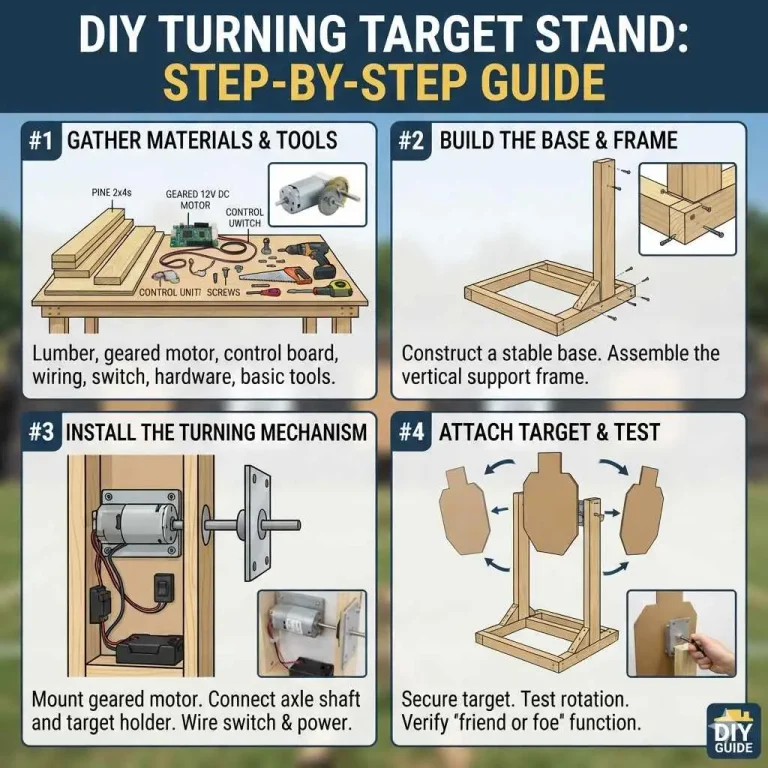
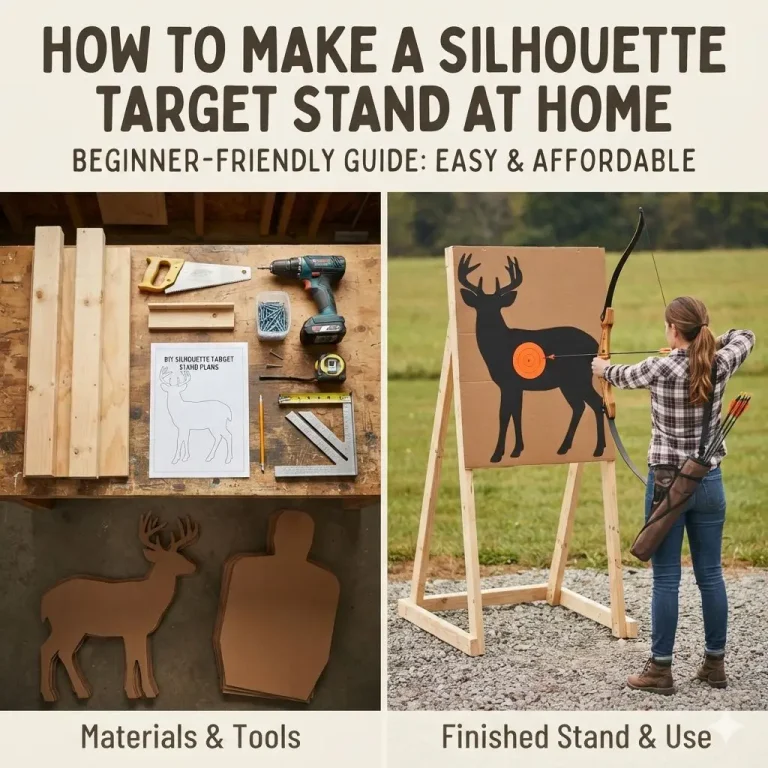
For a DIY archery target stand, I’d use pressure-treated 4×4 legs with knot-free 2×4 braces and 2×6 base rails; if you need lighter weight, cedar or exterior-grade pine works, but stiffness and straight grain matter more than species. Cheap, warped lumber makes the stand wobble, sags under target weight, and shortens its life fast. I’ll cover the best woods, the frame sizes I trust, and how each choice affects stability, arrow-stop performance, weather resistance, and maintenance.
This guide is part of our Target stand DIY: Plans, materials, and builds series.
Quick comparison
| Product | Badge | Best for | Price | ||
|---|---|---|---|---|---|
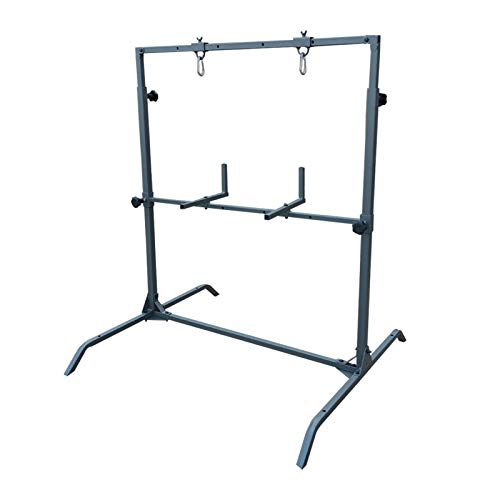 | Highwild Archery Target Stand for Bag Targets Block CubeHighwild | Our pick | Multi-function heavy-duty steel target stand with stabilizer | $63.99 Price as of 27 Sep 2026 | View |
 | ArrowLock Archery Insert Glue, .7 oz, Rubberized InstantBohning | Pair with it | .7 oz rubberized instant glue for inserts and points | $16.49 Price as of 27 Sep 2026 | View |
This is the fastest way to separate a good build from a shaky one. I use wood choice to answer three questions at once: will the stand stay upright, will it keep its shape under load, and will it survive rain, sun, and storage in a garage or shed.
For many backyard setups, Douglas fir framing lumber is still a solid all-around structural choice. It gives me better stiffness than generic pine without jumping all the way to the weight and hassle of oversized posts.
How we chose
I looked at four things that matter in the field: stiffness and tipping resistance, outdoor durability and moisture exposure, weight and portability, and how easy each lumber type is to source in a normal hardware store. I also separated structural members from wear parts, because those are not the same job.
My yard rule is simple. If the stand carries a heavier target, the frame needs more rigidity, cleaner grain, and better bracing geometry. If the target lives outside, rot and warping move up the list fast.
The matrix below keeps the decision grounded in use case, not guesswork.
| Wood type | Stiffness | Outdoor durability | Weight | Cost | Best target type |
|---|---|---|---|---|---|
| 2×4 pine | Moderate for light frames | Low indoors, fair only if stored dry | Light | Lowest | Small bag targets, beginner stands |
| 4×4 posts | High for uprights and legs | Fair to good, better if pressure-treated | Heavy | Higher | Heavy bag targets, large 3D targets |
| Douglas fir framing lumber | High, better span resistance than generic pine | Fair if sealed and stored dry | Moderate | Moderate | Recurve, compound, medium bag targets |
| Pressure-treated lumber | Moderate to high, depends on size and grade | Best for wet or year-round exposure | Heaviest of the common choices | Moderate to higher | Outdoor stands left outside, damp ground, rough weather |
Douglas fir framing lumber: best overall for most DIY stands
Douglas fir framing lumber is the best balance I’ve found for most backyard stands. It is stiffer than generic pine, holds its shape better across a span, and still stays manageable when you need to move the frame or rebuild part of it after a season of use.
I like fir for recurve and compound setups where the stand needs to resist sideways push and repeated loading without feeling like a fence post. Based on specs and reviews, it makes more sense than soft, knotty pine when the target starts getting heavier or the legs need to spread wider for stability.
The drawback is simple: regional availability changes, and the best pieces can cost more than common pine. I also want straight grain and minimal twist, because fir only helps if the board itself is sound.
Why fir beats generic pine on stiffness
Generic softwood pine is easy to buy and easy to cut, but Douglas fir usually gives me a better stiffness-to-weight tradeoff. That matters because a target stand behaves like a small frame structure, not a decorative box. Less flex means less wobble, less fastener movement, and less chance of leg splay over time.
When a stand flexes, the load path changes. The target’s weight shifts into the joints, then into the screws, then into the legs. Fir cuts that chain reaction better than many cheap pine boards I’ve seen, especially when the target is hanging from the middle of the frame.
Where it works best
Douglas fir framing lumber is a strong default for recurve shooters, most compound shooters, and medium bag targets. If you are building a frame for a target that comes down after practice and goes back under cover, fir gives you a useful middle ground.
I would also use it when the stand needs to survive repeated assembly and teardown. Screw holes hold up better when the board is stiff enough not to rack every time you tighten the hardware.
Limits you should respect
Fir is not magic. If you leave it in rain and freeze-thaw cycles, it will still move, swell, and check. I seal it, keep the grain straight, and store the stand dry whenever I can.
It is also only as good as the joints you build with it. If you use short screws, weak angles, or no triangulation, fir will not save the frame.
2×4 pine: best budget pick for light setups
2×4 pine is the most accessible option for a reason. It is easy to source, easy to cut, and cheap enough that a beginner can build, make mistakes, and rebuild without feeling punished. For light targets and short spans, it is often enough.
I use 2×4 pine when the target is small, the stand stays close to the ground, and the frame does not need to carry much bending load. If the wood is straight and the joints are braced well, it can work fine for a backyard recurve setup or a light foam block.
The drawback is flex. Under load, 2x4s can twist, the legs can splay, and bolt holes can crush if you keep reusing the same fastener points. That wear shows up faster when the target is heavy or the ground is uneven.
When 2x4s are strong enough
2x4s are enough when the target is light, the span is short, and the stand stays under cover between sessions. I treat them as a practical framing size for beginner stands and small bag targets, not a universal answer.
If the target hangs low and the brace triangles are tight, a good 2×4 frame can feel surprisingly steady. The key word is good. Warped lumber changes everything.
Failure points to watch
Softwood pine can crush around bolt holes after repeated assembly. That is one of the first places I look when a stand starts to loosen. Once the fibers compress, the hardware no longer clamps as tightly.
Leg splay is the other common failure. If the brace geometry is weak, the legs push outward instead of sending the load back into the center of the frame. You can see it, and you can feel it when the target gets hit.
Best use cases
Use 2×4 pine for small backyard targets, beginner builds, and stands that you move often. It is also the easiest choice when the lumber yard is thin on options and you need to get a stand built this weekend.
I would not pick it for a heavy 3D target or a large bag target that stays up all season.
4×4 posts: best for upright stiffness and heavy targets
4×4 posts give you more stiffness in the uprights, and that helps with tipping resistance. When the target is tall, heavy, or placed on rough ground, the thicker section resists bending and gives the frame more confidence under load.
I use 4x4s when I want the stand to feel planted. They are a good match for large targets, heavy bags, and setups where the legs need to do more than simply hold a light frame off the grass.
The drawback is weight. They are harder to move, usually cost more, and make the whole stand less portable. If you carry the frame across a field, you will notice the difference fast.
Why extra thickness helps
Thicker lumber improves rigidity because the section resists bending better. That matters in an archery stand because the structure is not only holding weight; it is also taking small side loads every time you touch the target or the wind nudges it.
On rough ground, thicker uprights also reduce the chance that the frame feels top-heavy. That extra mass can be a good thing when the target itself is large.
Best use cases for uprights
4×4 posts make sense for vertical members, rear legs, or any part of the stand that needs to resist tipping. I especially like them when the target is tall enough to create a lot of force above the base.
They are less attractive if you plan to haul the stand in and out of a vehicle every week. At that point, the weight penalty starts to matter more than the stiffness gain.
Pressure-treated lumber: best for year-round outdoor storage
Pressure-treated lumber is the best fit when the stand lives outdoors or sees regular moisture. It gives you better rot resistance than untreated pine or fir, which matters if the legs sit on damp ground, the stand gets rained on, or you do not have dry storage space.
I reach for treated wood when weather exposure is the main threat, not just load. It makes sense for year-round backyard storage and stands that will be forgotten under a tarp, beside a shed, or near a wet field edge.
The drawback is weight and hardware compatibility. Treated lumber is heavier, and you need exterior-rated or galvanized screws because standard fasteners corrode faster in contact with treated wood.
When rot resistance matters most
If the stand will sit outside through rain, UV exposure, and freeze-thaw cycles, treated lumber earns its keep. Wood that stays damp loses stiffness sooner and starts moving around fasteners, which is how small problems become loose joints.
I still prefer to store any stand under cover when I can. Treatment slows decay; it does not stop moisture movement.
Fastener and corrosion concerns
Use galvanized or exterior screws with treated lumber. I usually like exterior screws around 3 inches for many frame joints, then I size up or down based on member thickness and how many boards I am joining. The point is to keep the connection tight without splitting the wood.
Do not ignore the hardware. Corroded fasteners lose grip, and a stand that starts to loosen at the joints will tip or rack long before the lumber itself fails.
Where it makes sense in the build
I like treated lumber for base rails, legs that touch wet ground, and any part of the stand that stays outside between sessions. I am less enthusiastic about using it everywhere if the extra weight makes the stand annoying to move.
That is why I often mix materials. Treated parts where the weather hits hardest. Better-dried structural lumber where stiffness matters most.
Which one should you buy?

If you shoot recurve and want a dependable backyard stand, I would start with Douglas fir framing lumber. It gives a cleaner stiffness-to-weight balance than cheap pine and handles repeated use well without becoming a dead weight in the yard.
If you shoot compound and your target is heavier, step up to 4×4 posts for the uprights or base supports.
For heavy 3D targets, I want the strongest frame I can reasonably move, with 4x4s, wide feet, and solid triangulation. For the cheapest safe build, use straight 2×4 pine, but only for lighter targets and only if you accept that it is the least forgiving choice over time.
One-minute decision checklist
- Recurve setup: choose Douglas fir or straight 2×4 pine if the target is light and stored dry.
- Compound setup: choose Douglas fir first, then 4x4s if the target is heavy or the base needs more tip resistance.
- Heavy 3D target setup: choose 4×4 posts and treated base members if the stand will sit outside.
- Wet climate or year-round outdoor storage: choose pressure-treated lumber for the parts closest to the ground.
- Budget build: use straight, knot-free 2x4s only for light loads, with good bracing and exterior screws.
How to keep a wooden target stand from tipping
Use triangular bracing, a wider leg spread, and a low center of gravity. The load path should run from the target into the braces, then down into the legs, and finally into the ground. If the geometry is wrong, thicker wood will only delay the tip.
I also like to widen the base before I add more mass to the top. A wider footprint usually buys more stability than one extra board size bump.
Why brace geometry matters more than people think
Triangular bracing limits racking. It also reduces the sideways travel that loosens fasteners over time. That matters because a stand that starts tight in spring can feel sloppy by fall if the joints keep working back and forth.
Leg spread helps against tipping, but only if the braces actually transfer force well. Wide legs with weak connections are just wide, not stable.
Structural members versus sacrificial wear parts
Do not make every part of the stand do the same job. Structural members carry load. Wear blocks and impact faces take abuse. Hardwood bracing blocks or wear pads can be worth the extra cost where bolts pass through or where the target edge rubs the frame.
That is the smart place to spend on harder wood. I would not build the whole stand from hardwood unless I had a special reason. It is overkill for most backyard setups.
What wood should you avoid for a cheap target stand?
Avoid warped boards, lumber with big knots in the wrong spots, and anything that already feels twisted in the rack. Those flaws matter more than the species name. A cheap board that bows before you build will keep giving you trouble after assembly.
I would also skip wood that is badly checked, split at the ends, or so soft that screw holes feel loose on the first pass. The stand needs predictable material, not scrap that only looks affordable at checkout.
Frequently asked questions
What is the best wood for a DIY archery target stand?
For most backyard builds, I pick Douglas fir framing lumber because it gives better stiffness than generic pine without the weight jump of larger posts. If the stand will live outside in wet weather, pressure-treated lumber becomes the smarter choice for the parts near the ground and the joints that stay exposed.
Is pine strong enough for a target stand?
Yes, pine is strong enough for light target stands if the boards are straight, the target is not too heavy, and the frame has proper bracing. I would use it for small bag targets or beginner stands. For heavier loads, pine bends more and wears faster at the fastener holes.
Should I use 2x4s or 4x4s for an archery target stand?
Use 2x4s for light, portable stands and 4x4s when you need more upright stiffness, better tipping resistance, or support for large and heavy targets. I usually treat 2x4s as the easier default and 4x4s as the step up when the target size or weight starts pushing the frame around.
How thick should the wood be for a target stand?
Thickness should match the load, not a fixed rule. For light backyard targets, 2x4s can be enough. For heavier bag targets or large 3D targets, 4x4s or a fir frame with stronger base members is safer because thicker lumber resists bending and helps the stand stay square under repeated use.
Will pressure-treated wood last longer outdoors?
Yes, pressure-treated wood usually lasts longer outdoors because it resists rot better when exposed to rain, damp ground, and seasonal moisture changes. I still pair it with galvanized or exterior screws, because treated lumber can be harder on standard fasteners. That tradeoff is worth it for stands left outside.
What wood is best if I shoot compound bows and heavy targets?
For compound bows and heavier targets, I would choose Douglas fir or 4×4 pressure-treated members, depending on whether portability or weather resistance matters more. Compound setups need a frame that stays rigid under more load, and heavy targets make weak joints, soft boards, and shallow bracing show their flaws quickly.