Best Arrow Making Jigs for Budget Fletching (2026): we compared
For budget fletching, a simple single-clamp or straight-clamp jig in the roughly $20 to $40 range is often a practical first setup, and it can still handle clean vane placement and basic repair work. Go below that, and I usually see crooked vane spacing, weak glue bonds, and arrows that fly worse than they should. I’ll show which low-cost jigs are worth buying, what features matter most, and where to spend extra only if you need them.
Quick comparison
| Product | Badge | Best for | Price | ||
|---|---|---|---|---|---|
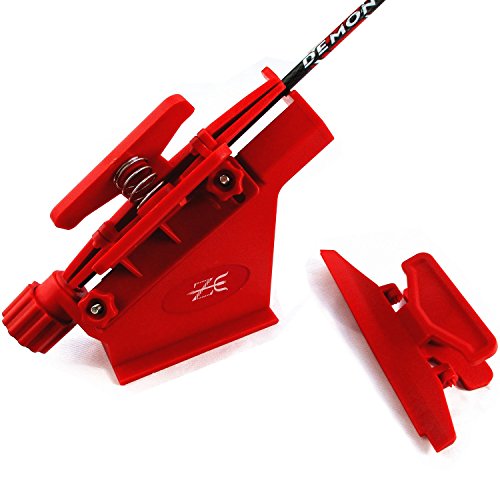 | Adjustable Fletching Jig Straight and Helix Tool with ClampM.SJUMPPER ARCHERY | Budget pick | Adjustable Straight and Helix Tool with Clamp | $28.75 Price as of 1 Oct 2026 | View |
 | Bitzenburger Fletching Jig and Straight ClampBitzenburger | Upgrade pick | Professional Straight Clamp Fletching Jig | $102.28 Price as of 1 Oct 2026 | View |
 | Bohning Pro-Class Complete Jig- Precision Arrow FletchingBohning | Also great | Pro-Class Adjustable Jig with Precision Angle Control | $49.99 Price as of 1 Oct 2026 | View |
I keep this comparison centered on real ownership cost, not sticker price alone. A cheap jig can get expensive fast when you add clamps, swap parts for helical use, or find out it will not fit the shaft diameter you already own.
How we chose
I compared each jig on five things that matter in actual use: entry cost, extra parts sold separately, clamp style, shaft diameter fit, and how forgiving the setup is for beginners and repair work.
I also split the use cases by archer type. Recurve shooters usually need clean, simple fletching with little fuss. Compound shooters, especially those repairing a pile of arrows, usually care more about repeatability and clamp options.
Bitzenburger jig: best for long-term value
If you want one jig to keep for years, this is the one I’d put at the top. Outdoor Life names the Bitzenburger the best overall fletching jig, and that matches what I see in the shop: an all-metal, die-cast alloy build that keeps its settings and stays useful after the budget stage.
What stands out is the self-centering arrow cradle and the spacing flexibility. It can space three fletchings 120 degrees apart, and it can also handle four-fletch layouts at 75 and 105 degrees apart or 90 degrees apart. That makes it a strong pick if you build both hunting arrows and target arrows.
The drawback is the true ownership cost. Bitzenburger requires separate straight, right-helical, or left-helical clamps, and the price climbs as soon as you want more than one fletching style. I like it for repeatability, but it is not the cheapest path for a first build.
Why the all-metal build matters for glue wear
Glue cleanup is where cheap tools start to feel cheap. All-metal parts resist wear better than plastic pieces, and that matters when you are wiping adhesive off the same contact points every week. In my shop, jigs with softer parts tend to go sloppy sooner.
Who should pay more for this one
I recommend it for the archer who plans to build a lot of arrows, or the one who wants a jig that can move from simple straight fletching to more specific setups later. If you are still figuring out shaft diameter, vane length, or fletch style, this jig gives you room to grow.
Arizona Carbon EZ Fletching Jig: best for simple setup
This is the simplicity benchmark. Outdoor Life names the Arizona Carbon EZ Fletching Jig the simplest option, and that is exactly why budget buyers keep comparing everything else against it. If you want basic vane work without learning a pile of adjustments, this is the kind of jig I point beginners toward.
It does the easy jobs well. For straight or simple offset work on common shafts, it keeps setup light and the learning curve short. That helps new builders and repair-only users who just need arrows back in service without spending an hour on alignment.
Its weak point is flexibility. Simpler jigs are easier to use, but they usually give up some control over offset, helical choice, and odd setups. If you know you will want more adjustment later, this is a sensible starter, not a forever jig.
Why I use it as a benchmark for beginners
A beginner should be able to load the shaft, set the clamp, and get consistent vane placement without fighting the tool. This style of jig is a good benchmark because it shows how little adjustment you really need for basic arrows.
Where it falls behind more adjustable jigs
Once you want more control over clamp style, vane angle, or repeatable helical work, simpler jigs start to feel limited. That is not a defect. It is the trade you make for fast setup and lower cost.
AAE Fletch III Fletching Jig: best low-cost alternative
Outdoor Life lists the AAE Fletch III as the best budget fletching jig, and that is the right place to start if you want the cheapest option that still feels like a real tool. Based on the spec sheet and owner feedback, it is aimed at archers who want value first and do not need a shop full of extras.
The value shows up when you want a functional jig without paying for the highest-end system. It is an entry-level alternative for budget-minded compound and recurve owners who need repeatable vane placement for regular arrow building, not fine-tuned custom work.
The drawback is the usual budget tradeoff: you need to pay close attention to what comes in the box and what does not. If clamps or accessory pieces are sold separately, the total cost can climb faster than you expect. That is the part I always tell beginners to check first.
What you give up to hit the lower price
You usually give up some adjustability, some material quality, or both. That can be fine for simple repairs. It is less ideal if you want to tune between straight, offset, and helical layouts often.
Best use case for this jig
I would put this in the hands of a budget shooter who wants a usable jig now and can live with a narrower feature set. For a recurve owner fletching a few practice shafts, or a compound owner fixing damaged arrows, that can be enough.
Last Chance Archery Vane Master Pro: best for precision
Outdoor Life names the Last Chance Archery Vane Master Pro the most precise jig, and that fits its feature set. It can set 0- to 5-degree offsets, it can fletch right or left helical deflection, and it can handle vanes up to 4 inches long. This is the precision choice, not the budget choice.
That extra control matters when vane contact and clearance are picky. Longer vanes can create clamp clearance issues on simpler jigs, and a precise setup helps reduce contact problems when you want a very specific offset or helical direction. If you build a lot of hunting arrows, the control is real.
The honest drawback is cost and complexity. Four-fletch setup requires an extra part, and that means more money and more setup time. For a tight budget, this is more jig than you need unless you already know you want that level of control.
When the extra part for four-fletch matters
If you want four-fletch arrows, do not assume every jig handles them the same way. This model needs additional support for that layout, so the true buy-in is higher than the base price suggests. That matters when you are building a budget decision around parts, not just labels.
Why this is usually too much for a tight budget
The precision is excellent, but budget buyers usually need dependable, simple, and cheap enough to keep using. If you are still figuring out clamp style or shaft fit, spending here before you need it is hard to justify.
Can one jig handle both small and large diameter arrows?
Sometimes, but not always well. Shaft diameter changes how the arrow sits in the cradle, and that changes alignment, clamp contact, and the chance of slippage. A jig that works fine on one diameter can feel loose or awkward on another, especially when you move from small-diameter carbons to larger shafts.
Easton sells EZ Fletch Jigs for large and small diameter arrows, and that split exists for a reason. Easton lists Small Diameter Helical Jig and Large Diameter Straight-Offset Jig variants. That tells me the safe answer is not “one jig fits all.” It is “match the jig to the shaft you actually own.”
What shaft diameter changes in practice
With a poor fit, the shaft can shift before the glue sets. Then vane contact goes uneven and the arrow leaves the jig with one feather riding higher than the others. I have seen that show up as extra cleanup work and wasted vanes.
When a dedicated setup is smarter
If all your arrows are one diameter, buy for that size and stop worrying about universal claims. If you build for both small-diameter carbons and larger shafts, a dedicated setup or a second jig can be smarter than forcing one tool to do both jobs badly.
Which one should you buy?
If you want the cheapest usable setup, buy the AAE Fletch III and keep your expectations grounded. If you want the simplest path with fewer mistakes, the Arizona Carbon EZ Fletching Jig is the cleanest beginner choice. If you want the best long-term value, the Bitzenburger is the one I would spend on. If you want precision and can pay for it, the Last Chance Archery Vane Master Pro is the upgrade path.
My budget decision matrix
| Jig | Entry cost | Required accessories | Clamp options | Shaft diameter fit | Best use case |
|---|---|---|---|---|---|
| AAE Fletch III | Low | May need extra clamps or parts depending on package | Budget clamp setup, limited flexibility | Best when matched to one shaft family | Cheap first jig, repairs, basic builds |
| Arizona Carbon EZ | Low to moderate | Few moving parts; simple add-on needs | Simple clamp approach | Works best when shaft type matches the jig variant | Beginner setup, fast repairs, low-fuss fletching |
| Bitzenburger | Moderate to high | Separate straight, right-helical, or left-helical clamps | Multiple clamp styles sold separately | Strong when paired with the right cradle and clamp | Long-term use, 3-fletch and 4-fletch work, repeatability |
| Last Chance Archery Vane Master Pro | High | Four-fletch needs an extra part | Offset and helical control built for precision | Best when you already know your shaft and vane targets | Precision builds, longer vanes, advanced arrow tuning |
How I think about real ownership cost
Sticker price can lie. A cheaper jig with sold-separately clamps may cost more than a pricier jig once you buy the parts you actually need. I always count the jig, the clamp style, and any four-fletch or shaft-specific add-ons before I call something budget-friendly.
My decision rules for budget buyers
- Pick the simplest jig that fits your shaft diameter.
- Buy straight clamp first unless you truly need helical.
- Choose 3-fletch before 4-fletch unless your setup demands four vanes.
- Pay more only when vane length, clearance, or repeatability requires it.
- For recurve beginners, simplicity matters more than adjustment count.
- For compound repair work, repeatability and clamp quality matter more than flashy features.
What parts wear out first on inexpensive jigs?
The first weak point is usually the clamp contact area, followed by any plastic adjustment piece or loose pivot point. Glue buildup makes this worse. Once a clamp stops closing the same way every time, repeatability drops and you start chasing crooked fletching instead of fixing arrows.
How many fletching clamps do I need to buy separately?
At minimum, buy the clamp style you need for the fletch type you plan to use most. If you want straight, right-helical, and left-helical work, you may need more than one clamp because some jigs sell them separately. That is one of the biggest hidden costs in budget fletching.
What is the best arrow making jig for budget fletching?
The best budget choice is the one that gives repeatable results without extra parts eating your savings. For most beginners, that means a simple straight or single-clamp jig. If you want the lowest-cost option with real value, I would start with the AAE Fletch III and move up only if your arrow building gets more demanding.
Is a cheap fletching jig good enough for vanes and feathers?
Yes, if it holds the shaft firmly and keeps vane contact even. Cheap jigs can work for vanes and feathers, but only when the fit is good and the clamp is steady. When the shaft slips or the glue cleanup is messy, the savings disappear fast.
Do I need a helical jig or straight jig for budget arrow builds?
For most budget builds, straight or mild offset is enough. Helical helps with steering and some hunting setups, but it costs more in clamp style and setup time. If you are building practice arrows or doing repairs, I would start straight unless you already know you need helical.
What’s the difference between a budget fletching jig and a premium one?
A budget jig usually gives you the basics with fewer clamp options and less fine adjustment. A premium jig gives more precision, better repeatability, and more control over offset or helical setup. The main gap is not magic performance. It is control, durability, and fewer compromises.
Which fletching jig is easiest for beginners to use?
The easiest beginner jig is the one with the fewest adjustments and the clearest setup path. I would point most first-time builders to the Arizona Carbon EZ Fletching Jig. It is the simplest option because it reduces the chances of setting the wrong angle or fighting the clamp.
What parts wear out first on inexpensive fletching jigs?
Clamp faces, adjustment points, and any softer plastic pieces tend to show wear first. Glue residue makes the problem worse because it changes how the clamp seats. When the tool stops closing the same way every time, vane placement starts drifting and your arrows pay for it.
How many fletching clamps do I need to buy separately?
Enough to match the fletching styles you plan to use. If your jig uses separate straight, right-helical, or left-helical clamps, you may need more than one. If you only build basic straight fletching, one clamp style is usually enough, and that keeps the budget under control.