Best Bowfishing Rest for Budget Setups (2026): I found
For most budget bowfishing setups, a full-containment brush rest with stainless or coated hardware is the safest beginner pick because it holds heavy arrows in place and stands up to saltwater corrosion; choose drop-away only if your shot is clean and your setup is tuned. Miss that match, and you get arrow bounce-off, rust, and missed fish. This guide compares budget rest types by shot style, arrow weight, and corrosion risk so you can choose the right one.
Quick comparison
| Product | Badge | Best for | Price | ||
|---|---|---|---|---|---|
 | SPG Aluminum Bowfishing Arrow Rest – Anodized and Durable –SPG | Budget pick | Adjustable semi-open aluminum bowfishing rest | $16.59 Price as of 4 Oct 2026 | View |
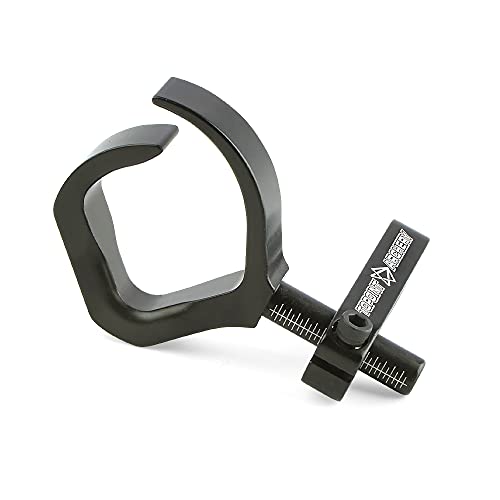 | ZSHJGJR Archery Bowfishing Arrow Rest Anodized AluminumZSHJGJR | Also great | Anodized aluminum bowfishing rest with laser-etched markings | $16.99 Price as of 4 Oct 2026 | View |
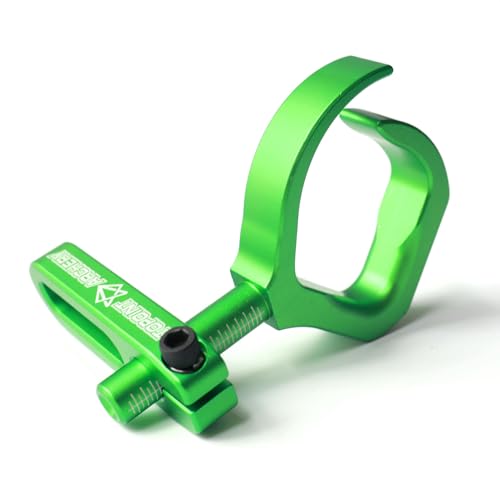 | Archery Bowfishing Arrow Rest Aluminum Alloy AdjustableKqimris | Budget pick | Semi-enclosed adjustable aluminum bowfishing rest | $15.88 Price as of 4 Oct 2026 | View |
If I had to hand a beginner one rule, I would say this: match the rest to the arrow and the shot, not the sticker price. A cheap rest that slips, rusts, or kicks the arrow at release costs more than a better one by the second trip.
How we chose

I built this guide around four things that often matter on the water: corrosion resistance, arrow control during loading and movement, fast-shot stability, and install complexity. I also weighed fit for compound versus recurve bows, because a rest that looks budget-friendly can still be a bad match for the bow in your hands.
My first compound bow was too heavy for me by roughly 10 lb, and I spent about a month flinching before I backed the limb bolts out. That same lesson applies here: if the rest fights the shot, the rest is wrong for the setup, even when the price looks right.
I also split boat fishing, shore fishing, and snap shooting at moving fish. In practice, those are different tasks. A rest that feels fine while the bow sits on a deck can act badly when you swing fast and shoot before the fish leaves the lane.
Budget rest decision matrix
| Rest type | Price | Containment | Corrosion resistance | Fast-shot stability | Setup difficulty | Best match |
|---|---|---|---|---|---|---|
| Whisker biscuit | High | High | Medium | Medium | Easy | Beginner compound bows, shore fishing, controlled loading |
| Roller rest | Medium | Medium | High | High | Medium | Fast shooting, moving fish, bowfishing-specific builds |
| Fixed rest | Low | Low to medium | High | Medium | Hard | Simple builds, careful shooters, recurve or tuned compound use |
For freshwater, I lean toward a whisker biscuit if you want easy containment and simple setup. For saltwater, I want stainless steel hardware, coated hardware, or anodized aluminum first, then I worry about the rest style. For moving fish and quick snap shots, a roller or bowfishing-specific containment rest usually gives you less drag and less arrow hang-up.
AMS Tidal Wave: best for overall budget bowfishing
- Secure semi-open design prevents arrows from falling off
- Adjustable for horizontal and vertical alignment
- Anodized aluminum resists rust and fading
The AMS Tidal Wave is the one I would put at the top of a budget list when a bowfishing-specific rest matters more than a generic archery part. Outdoor Life names it the best bowfishing rest, and that fits how I judge this gear: fewer surprises, better containment, and a design built for repeated wet use.
It fits bowfishers who load often, shoot fast, and need the arrow held still while the boat rocks or the bow swings from one fish to the next. A purpose-built bowfishing rest matters because heavy arrows can bounce, creep, or chatter on a rest that was made for target shooting first.
The drawback is simple. A dedicated bowfishing design can cost a bit more than a basic universal rest, and if your setup is already tuned and simple, you may not need that extra specialization. I would still pick it over a bargain rest that cannot stay consistent after a few wet outings.
AMS Channel Cat Arrow Rest: best for corrosion resistance
- High-visibility laser-etched markings for windage adjustments
- Rotatable frame for elevation adjustments
- Durable anodized aluminum resists rust
The AMS Channel Cat Arrow Rest is the best pick here when saltwater exposure is part of the plan. Gone Bowfishing says it uses fully-machined anodized aluminum and stainless steel hardware, and that matters because repeated wet use punishes weak hardware before it ruins the rest itself.
Gone Bowfishing also notes the brass roller and small housing. That setup helps the arrow move cleanly, which I like for quick shots where the bow does not stay at full draw very long. It is ambidextrous too, so it works for left- and right-handed shooters without making the rest feel like a compromise.
The drawback is the one I expect from many roller-style options: it asks more from the bow setup than a full biscuit. If your nock point or arrow alignment is sloppy, a cleaner roller rest can still punish the shot by letting the arrow start crooked.
Trophy Ridge Quick Shot Whisker Biscuit: best for the lowest-cost containment
- Semi-enclosed design secures arrows while allowing quick loading
- Adjustable for vertical and horizontal fine-tuning
- Hard anodized coating resists corrosion
The Trophy Ridge Quick Shot Whisker Biscuit is the budget containment pick I would hand to a new bowfisher who wants the arrow held still without much setup drama. Outdoor Life lists it as the best budget rest, and Gone Bowfishing says it is lighter and more compact than a traditional biscuit, with an aluminum housing and dual-bolt mount.
That full-containment style helps when you are learning to load while the boat moves or when you do not want the arrow lifting out of the rest during a hurried draw. For beginner compound setups, that confidence is worth a lot, especially when your release timing is still inconsistent.
The drawback is that a whisker biscuit can show its limits with heavier arrows and repeated wet use. The bristles add drag, and if the rest or hardware starts corroding, the whole setup becomes less smooth and less forgiving than a roller-style option.
Is a whisker biscuit or roller rest better for bowfishing?
Neither wins every time. A whisker biscuit is better when you want full containment and simple loading, while a roller rest is better when you care more about smooth arrow movement and fast shots. For bowfishing, I usually favor containment for beginners and rollers for shooters who already keep their draw and release consistent.
With a whisker biscuit, the arrow stays put while you move, which helps on a boat or in tight shoreline cover. With a roller, the arrow has less friction on the shot, which can feel cleaner with heavier bowfishing arrows and quicker follow-up shooting.
If your rest choice is between security and speed, ask which failure hurts you more. A beginner usually hates arrow bounce-off more than a tiny bit of drag. A confident snap shooter usually feels the opposite.
Which one should you buy?
For a compound bow, I would start with a full-containment option if you are new, then move to a roller if your shots are already clean and you want quicker arrow movement. For a recurve, I would be careful with any rest that depends on perfect alignment, because simple fixed or low-part setups often fit better when the bow and arrow are handled fast.
For boat fishing, I want containment first. For shore fishing, I still like containment, but I care more about corrosion resistance because gear spends more time wet, sandy, and forgotten in a truck bed. For snap shooting at moving fish, a roller or purpose-built bowfishing rest usually gives the cleaner feel, especially if your draw and anchor are already repeatable.
If you already have a basic bowfishing setup, upgrade the rest only when the current one causes a real problem: arrow lift, rusted hardware, noise on release, or poor hold while moving. A cheap rest that is “fine” on the bench can fail the first time you twist the bow toward a carp and the arrow slides off center.
Bow type and use-case rules I trust
- Compound bow, beginner, freshwater: choose a full-containment whisker biscuit first.
- Compound bow, saltwater, frequent use: choose a corrosion-resistant roller or bowfishing-specific rest with stainless hardware.
- Recurve bow, simple build: use the simplest fixed or low-part rest that keeps the arrow stable and does not force a finicky setup.
- Boat fishing and snap shooting: choose the rest that keeps the arrow from shifting while you move.
- Shore fishing in wet sand or brackish water: prioritize hardware that will not seize or rust after a few sessions.
Quick picks
- Best overall budget bowfishing rest: AMS Tidal Wave for a purpose-built design that fits repeated wet use.
- Best for corrosion resistance: AMS Channel Cat Arrow Rest for anodized aluminum, stainless hardware, and a brass roller.
- Best for lowest-cost containment: Trophy Ridge Quick Shot Whisker Biscuit for beginner-friendly arrow security.
- Best for moving-fish shots: AMS Channel Cat if you want smoother arrow travel and durable hardware.
How to choose without overbuying
Start with your arrow weight and your shot speed. Heavy bowfishing arrows want a rest that holds them in line without bouncing, while fast snap shots favor simple, low-friction movement. If the rest cannot handle repeated loading, it is the wrong rest, no matter how cheap it looks.
Next check corrosion risk. Stainless steel hardware and anodized aluminum are worth paying for if you fish saltwater or keep gear wet in the truck. A cheap rest that rusts after a few trips has a higher real cost than the better part you bought once.
Then match the rest to the bow. Compound bows can work with whisker biscuits, rollers, or fixed rests if the setup is tuned. Recurves usually reward simpler hardware and less overthinking. The cleanest setup is the one that keeps the arrow in place and lets you shoot without hesitation.
Frequently asked questions
What is the best bowfishing rest for a budget setup?
For most budget setups, I would pick a full-containment rest with corrosion-resistant hardware first, then narrow by bow type. If you want the best all-around budget answer, the AMS Tidal Wave is the strongest fit for a bowfishing-specific build, while the Trophy Ridge Quick Shot is the safer low-cost containment choice.
Is a whisker biscuit or roller rest better for bowfishing?
A whisker biscuit is better when containment and beginner control matter most. A roller rest is better when you want smoother arrow movement and faster shots. I lean biscuit for new shooters and roller for experienced bowfishers who already keep their setup tuned and shoot more aggressively at moving fish.
Do I need a full containment rest for bowfishing?
Not always, but it helps a lot. Full containment keeps the arrow from shifting while you move, load, or swing at fish. If you are new, shoot from a boat, or use heavy arrows, I think full containment is the safer choice because it reduces the chances of the arrow slipping off line.
Will a cheap bowfishing rest hold up in saltwater?
Only if the hardware is built for it and you stay on top of maintenance. Saltwater punishes weak screws, bare metal, and sloppy mounting fast. I want stainless steel hardware or anodized aluminum before I trust a cheap rest near salt, and even then I rinse and dry it after every trip.
What type of rest is easiest for beginner bowfishers?
A full-containment whisker biscuit is usually the easiest starting point. It keeps the arrow in place, helps during loading, and cuts down on the chance of dropping the shaft when you are watching fish and not the rest. That simplicity matters more than tiny gains in speed when you are learning.
Can I use a regular arrow rest for bowfishing?
Sometimes, but I do not recommend it unless the rest is compatible with wet use, heavy arrows, and quick loading. Regular target rests can let the arrow bounce, shift, or catch at release. Bowfishing is harder on gear than most people expect, so the rest needs to be built for that abuse.