Best Printable Arrow Spine Chart for Quick Tuning: We Compared
Start with a printed spine chart, then confirm arrow length and point weight. If the shaft lands on a border, keep the stiffer option and tune with 25–50 grains of point weight before changing spine. Bad starting spine means poor arrow flight, weak broadhead tune, and wasted shafts. This guide gives a one-page printable chart plus simple borderline rules for recurve and compound setup.
Quick comparison
| Product | Badge | Best for | Price | ||
|---|---|---|---|---|---|
 | Arrow Spine Tester Electronic Arrow Deflection TesterHANDBAIGE | Our pick | $148.00 Price as of 11 Nov 2026 | View | |
 | bowsmith Digital Spine Tester Carbon procoops bowsmith | Also great | View | ||
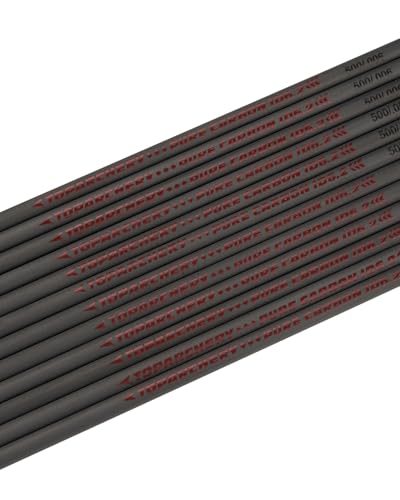 | TOPARCHERY Arrow Shafts Pure Carbon Shafts 31 Inch ArrowTOPARCHERY | Also great | $42.99 Price as of 11 Nov 2026 | View | |
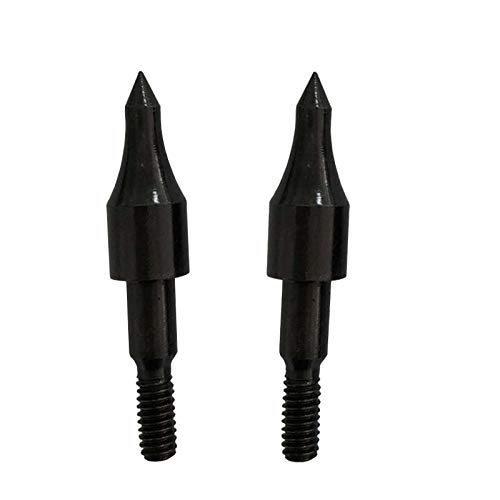 | 100 Grain Field Points 5/16 Inch Archery Field Tips PracticeJJZS | Also great | $7.99 Price as of 11 Nov 2026 | View | |
 | SOPOGER Archery Arrow Saw Electric Carbon Arrow Cutter MiniSOPOGER | Also great | $66.99 Price as of 11 Nov 2026 | View |
This quick sheet is built for fast shop use. It uses bow type, draw weight, cut length, and point weight to produce a starting spine, then tells you what to do when the result sits between two sizes.
How we chose
The worksheet below follows four filters: it separates compound, recurve, and traditional setups; it includes draw-weight bands, length adjustments, and point-weight shifts; it gives a clear border rule instead of a vague “close enough”; and it ends with tuning checks that can confirm the choice.
It also keeps the numbers aligned with how spine is measured. Static spine is the shaft deflection measured on a 28-inch support span with a 1.94 lb weight hanging from the middle, and a lower number means a stiffer shaft.
Manufacturer charts still matter. Easton, Gold Tip, Victory, and Black Eagle can differ by model, so this page is a starting point, not a substitute for the shaft chart that matches the exact arrow.
Printable arrow spine chart
Static spine basics: use the deflection number, not the marketing label, to compare shafts. A 400 spine is stiffer than a 500 spine. That matters because the bow, arrow length, and point weight all change the dynamic behavior of the shaft after the shot.
Read the chart in this order: bow type first, then draw weight, then arrow cut length, then point weight. Draw weight for a compound means peak draw weight. For recurve and longbow setups, use the weight at actual draw length.
| Bow type | Draw weight band | Arrow cut length | Point weight | Starting spine | Borderline rule note |
|---|---|---|---|---|---|
| Compound | 30–39 lb | 26–27 in | 100 gr | 700 | If between sizes, choose stiffer. |
| Compound | 30–39 lb | 28–29 in | 100 gr | 600 | If between sizes, choose stiffer. |
| Compound | 30–39 lb | 30–31 in | 100 gr | 500 | Longer shaft; do not step weaker. |
| Compound | 40–49 lb | 26–27 in | 100 gr | 600 | Borderline: keep the stiffer shaft. |
| Compound | 40–49 lb | 28–29 in | 100 gr | 500 | Borderline: keep the stiffer shaft. |
| Compound | 40–49 lb | 30–31 in | 100 gr | 400 | Use the stiffer border choice if unsure. |
| Compound | 50–59 lb | 26–27 in | 100 gr | 500 | Compound border rule favors stiffer. |
| Compound | 50–59 lb | 28–29 in | 100 gr | 400 | A 50 lb compound with a 28-inch arrow lands on 400. |
| Compound | 50–59 lb | 30–31 in | 100 gr | 300 | Do not move weaker on a border. |
| Recurve | 20–28 lb | 26–27 in | 100 gr | 900 | Finger release usually needs weaker spine than compound. |
| Recurve | 20–28 lb | 28 in | 100 gr | 800 | If between cells, use weaker only if your chart says so. |
| Recurve | 29–38 lb | 26–27 in | 100 gr | 800 | Finger-shot setups generally run weaker than compound. |
| Recurve | 29–38 lb | 28 in | 100 gr | 700 | A 40 lb recurve with a 28-inch arrow lands on 600 to 700. |
| Recurve | 39–46 lb | 26–27 in | 100 gr | 700 | Longer shaft or heavier point pushes weaker. |
| Recurve | 39–46 lb | 28 in | 100 gr | 600 | Borderline rule for finger release: choose weaker if between cells. |
| Traditional | 30–39 lb | 26–27 in | 125–145 gr | 800 | Shot off the shelf with fingers; usually one size weaker than sight-window longbow charts. |
| Traditional | 30–39 lb | 28 in | 125–145 gr | 700 | Choose weaker on borderline finger-shot results. |
| Traditional | 40–46 lb | 26–27 in | 125–145 gr | 700 | Heavy point and shelf release both weaken dynamic spine. |
| Traditional | 40–46 lb | 28 in | 125 gr | 500 | A 45 lb longbow with a 28-inch arrow and a 125 gr point lands on 500. |
Point-weight adjustment key
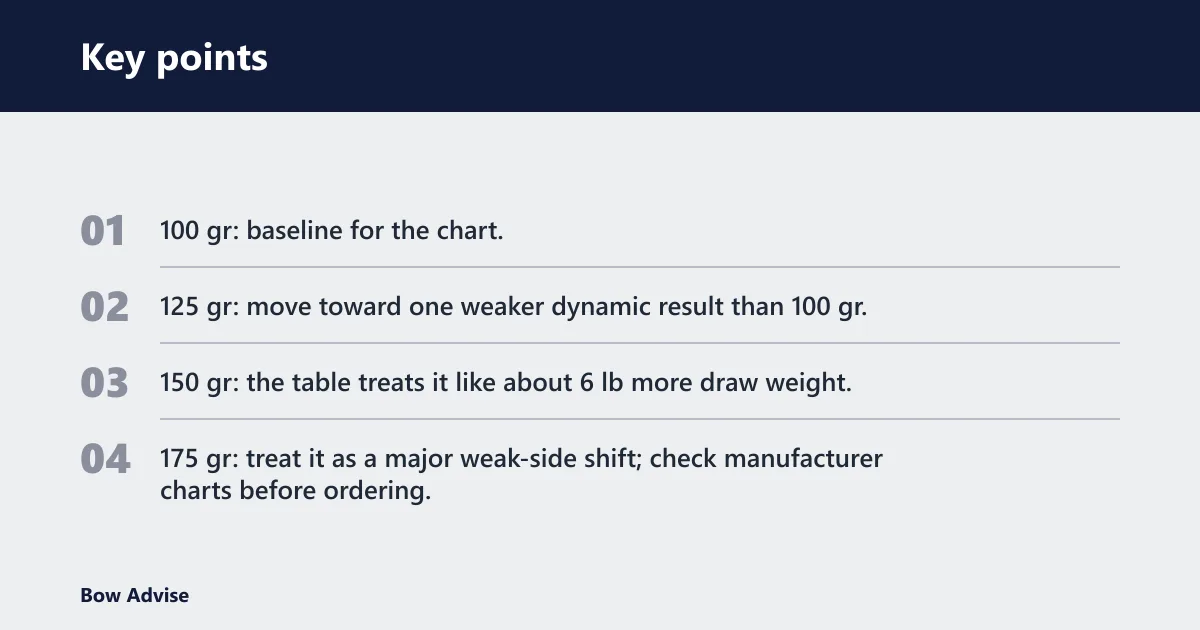
Use 100 gr as the baseline. Heavier points weaken dynamic spine, so you often need a stiffer static shaft to stay in tune. The exact jump varies by bow and shaft, but this quick key is a usable starting point for shop sorting.
- 100 gr: baseline for the chart.
- 125 gr: move toward one weaker dynamic result than 100 gr.
- 150 gr: the table treats it like about 6 lb more draw weight.
- 175 gr: treat it as a major weak-side shift; check manufacturer charts before ordering.
Printable arrow spine chart worksheet
| Setup | Draw weight | Cut length | Point weight | Starting spine | Borderline note |
|---|---|---|---|---|---|
| Compound | ____ lb peak | ____ in | ____ gr | ____ | Choose stiffer if between cells. |
| Recurve | ____ lb at full draw | ____ in | ____ gr | ____ | Choose weaker if between cells. |
| Traditional | ____ lb at full draw | ____ in | ____ gr | ____ | Shot off shelf; usually one size weaker than sight-window setups. |
Which spine do you need?
Use draw weight first, then cut length, then point weight. Longer arrows need stiffer spine. Heavier points weaken the arrow’s dynamic spine, so a 125 gr or 150 gr head can push the result toward the next stiffer static shaft if the setup is near a border.
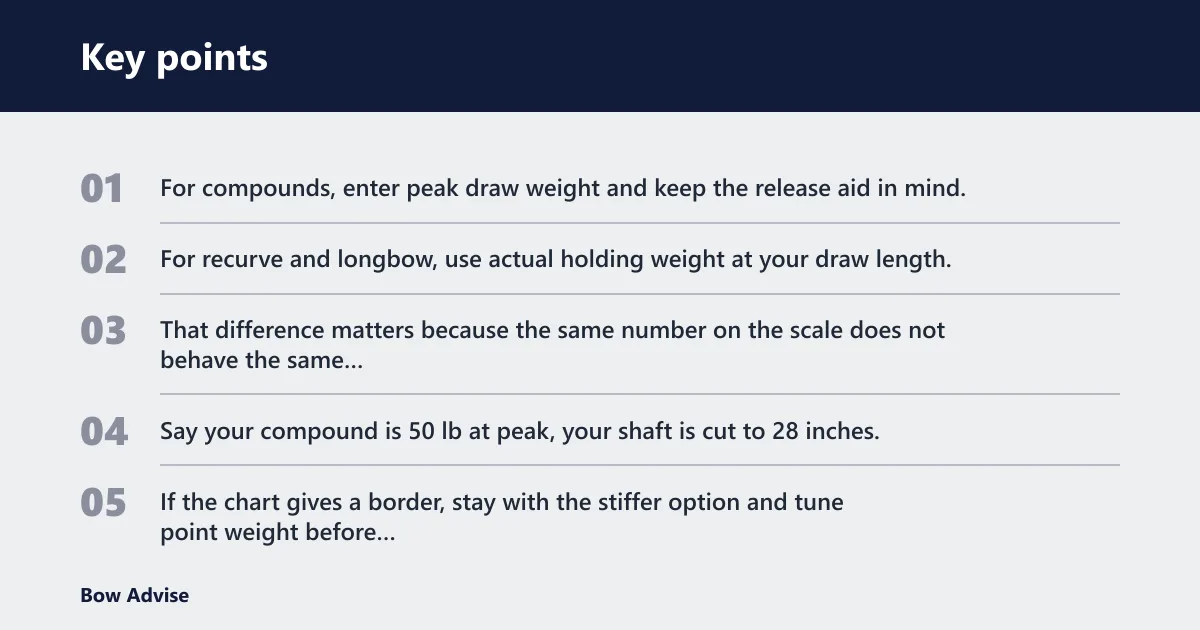
For compounds, enter peak draw weight and keep the release aid in mind. For recurve and longbow, use actual holding weight at your draw length. That difference matters because the same number on the scale does not behave the same across those setups.
Say your compound is 50 lb at peak, your shaft is cut to 28 inches, and you plan to run 125 gr points. If the chart gives a border, stay with the stiffer option and tune point weight before you jump spine size. That keeps the shaft from starting too weak.
Suppose a finger-shot recurve is 40 lb at actual draw length, with a 28-inch shaft and 150 gr points. That combination sits more to the weak side than a 100 gr baseline, so the starting spine should shift stiffer than the same setup with lighter points.
How cut length changes the result
Arrow length is measured from the nock throat to the end of the shaft, not from the riser or the draw stop. Every extra inch leaves more shaft in play, which makes the setup behave weaker. That is why a longer arrow usually needs a stiffer static shaft.
This also explains why cut length matters more than many new archers expect. Two arrows with the same spine label can tune differently if one is cut longer, uses a heavier insert, or carries a broadhead instead of a light field point.
What to do at a borderline result
If the chart lands between two spine sizes, choose stiffer for compound bows and weaker for finger-shot bows. That border rule helps because compounds usually tolerate a stiffer start better, while recurve and traditional bows often need the softer side to clear the shelf and finger release correctly.
A common first-timer mistake is to pick the middle value and skip the follow-up tune. That usually leads to chasing paper tears later. Pick the border rule first, then fine-tune with point weight before changing shaft size.
Easton and Gold Tip chart notes
Manufacturer charts are not interchangeable. Easton, Gold Tip, Victory, and Black Eagle can list different starting points for the same bow weight because shaft construction, diameter, insert weight, and point mass all matter. Use the worksheet here to narrow the zone, then verify against the brand chart for the exact shaft model.
That matters most with aluminum arrows, micro-diameter shafts, inserts, and heavy broadheads. Those setups can drift away from a generic chart faster than a standard carbon shaft with a field point. If the result is close to a border, the brand chart wins.
Real shaft options to check
For a shop shelf, the practical next step is to match the starting spine from the worksheet to a specific shaft family. The exact 300, 400, 500, 600, or 700 label can shift by model, so the same number does not always land on the same dynamic behavior across brands.
One listed option is TOPARCHERY Pure Carbon Shafts in a 600 spine. That kind of pre-listed spine can help when you already know the chart target, but it is still only a match if the finished arrow length and point weight line up with the worksheet.
Should you tune stiffer or weaker?
On a border, compound setups should start stiffer, while recurve and traditional finger-shot setups should start weaker. That rule keeps the first tune closer to the way each bow family reacts at release. Heavier points move the setup toward weaker dynamic spine, so they do not cancel a borderline stiffer call on compounds.
The 150 gr note is especially useful because it can act like about 6 lb more in the chart logic.
Borderline failure cases
Weak reaction often shows up as a left tear from a right-handed compound, a persistent weak bare-shaft hit, or broadheads that plane left or group poorly. Stiff reaction often shows up as a right tear from a right-handed compound, a bare shaft that kicks right, or a broadhead that refuses to settle with the field point group.
For finger bows, the signs can look different, but the direction still matters. If the setup is too weak, the shaft usually struggles to clear cleanly and may group erratically. If it is too stiff, the arrow may kick away from the shelf side and fail to settle during tune.
How to confirm the chart choice
A common next step is to use bare-shaft tuning or paper tuning after the worksheet gives a starting spine. Bare-shaft tuning is the better confirmation for many recurve and traditional setups because it shows how the shaft behaves without a fletched correction. Paper tuning is useful for compound setups and for quick setup checks.
Neither step replaces the chart. They confirm it. If the chart says 400 but the bare shaft shows a weak reaction, adjust point weight or confirm that your arrow length, insert mass, and actual draw weight were entered correctly before moving to a 350 or similar stiffer shaft.
Quick follow-up sequence
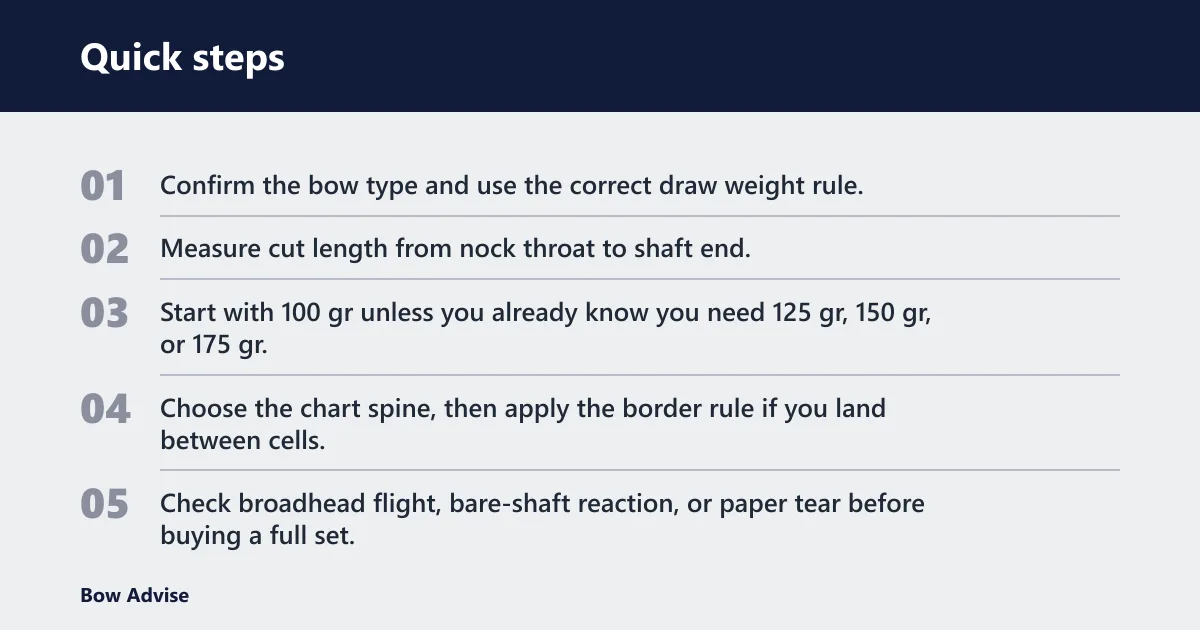
- Confirm the bow type and use the correct draw weight rule.
- Measure cut length from nock throat to shaft end.
- Start with 100 gr unless you already know you need 125 gr, 150 gr, or 175 gr.
- Choose the chart spine, then apply the border rule if you land between cells.
- Check broadhead flight, bare-shaft reaction, or paper tear before buying a full set.
Picture a 28-inch recurve shaft with 100 gr points that tunes close but lands between two rows. If the archer shortens the shaft by a small amount, the spine requirement moves weaker; if the point changes to 150 gr, the requirement moves weaker too. Those changes should be handled one at a time so the tune stays readable.
100 grain field points: best for baseline tuning
These 100 gr field points fit the chart baseline and make sense for archers who want the cleanest starting comparison across compound, recurve, and traditional rows. They are a straightforward choice when the goal is to verify the chart before shifting point weight.
The drawback is simple: a 100 gr point is only the baseline. It does not help if your setup really needs the weak-side shift that comes with 125 gr or 150 gr points, so it may leave a borderline shaft unresolved.
Arrow spine tester: best for checking shaft deflection
This electronic deflection tester fits archers who want a shop tool for sorting raw shafts against a spine target before cutting or fletching. It is most useful when comparing carbon, aluminum, and wooden shafts against a known deflection value.
The drawback is cost and setup complexity. It is a tool, not a tuning shortcut, and it still does not replace the final bow-specific test with bare shaft or paper.
Digital spine tester: best for quick shaft sorting
This digital spine tester is aimed at archers who want a fast way to compare shafts before they build arrows. It fits the same use case as the electronic tester above: pre-sort the shaft, then use the bow chart and tune from there.
The drawback is that the listing details are limited here, so buyers need to confirm compatibility and display behavior in the product listing before relying on it for a full shop setup.
Pure carbon shafts: best for a 600 spine option
These 31-inch pure carbon shafts give a ready-made 600 spine option for DIY builds. That can work well for archers who already know the worksheet points them near the 600 row and want a simple shaft pack to build from.
The drawback is flexibility only within the listed spine. If your chart points to 500 or 700, this pack may sit too stiff or too weak unless the rest of the setup changes.
Arrow saw: best for clean cut length
This adjustable arrow cutter fits builders who need a clean, repeatable cut length before spine tuning. That matters because length changes the result, and a sloppy cut can shift the shaft away from the chart cell you intended to hit.
The drawback is that it is a specialty tool. It helps with preparation, but it does not help you choose the spine by itself, and it will not confirm whether a broadhead setup is tuned.
Which one should you buy?
If your only goal is a fast starting point, buy 100 gr field points first and use the worksheet to sort the spine. If you build arrows often, the arrow saw and a spine tester become more useful because they reduce cutting and sorting mistakes before tuning begins.
If you already know the chart target and want shaft stock, choose the pure carbon shafts only when the listed 600 spine matches your worksheet result. For a borderline result, do not force the purchase; move point weight or verify the brand chart first.
For the actual charting step, the most important purchase is still the one that lets you confirm spine and length correctly. That is usually the field point set plus the measuring and cutting tools, not a random shaft pack picked before the worksheet is done.
Frequently asked questions
What arrow spine do I need for my draw weight and arrow length?
Start with bow type, then use draw weight and cut length together. A lower spine number means a stiffer shaft, and longer arrows need stiffer spine. Then adjust for point weight. If the result is between cells, use the border rule: stiffer for compound, weaker for finger-shot bows.
How do I read a printable arrow spine chart
Read the chart by matching the bow family first, then the correct draw-weight band, then arrow cut length, then point weight. Do not confuse arrow length with draw length. After you land on a starting spine, confirm it with bare-shaft tuning or paper tuning instead of treating the chart as final.
Do heavier points make an arrow spine weaker or stiffer?
Heavier points make the arrow behave weaker dynamically, not stiffer. That is why 125 gr and 150 gr points often push the starting choice toward a stiffer static shaft. A 150 gr point is treated here like about 6 lb more in the quick adjustment key.
What spine should I start with for a compound bow?
Use peak draw weight, not holding weight, and start on the stiffer side if the chart lands between two cells. Compound bows use a release aid and usually accept a stiffer starting spine than finger-shot setups at the same weight. A 50 lb compound with a 28-inch arrow lands on 400 in this guide.
What spine should I start with for a recurve bow?
Use the weight at actual draw length, then start weaker than an equivalent compound row. That reflects the finger release and the different way recurve setups move the shaft during release.
What spine should I use for a traditional bow with fingers?
Traditional bows are shot off the shelf with fingers, and they usually use 125 to 145 gr points. Start with the traditional row, then move one size weaker than a longbow with a sight window if your chart sits on a border. Heavy points and shelf contact both push the setup weaker dynamically.