How to Crest Carbon Arrows: Proven Guide
Cresting carbon arrows perfectly is achievable for beginners! This guide breaks down the simple steps, required materials, and essential tips to add a professional, personalized touch to your arrows, improving their look and even helping you spot them in the field. Get ready to impress yourself and fellow archers with your custom-finished arrows!
WIXUSPO
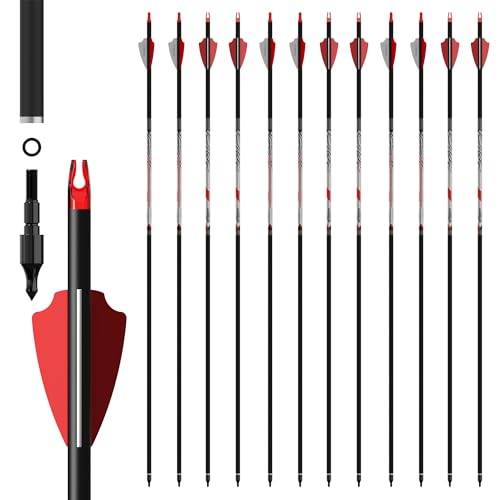
WIXUSPO 32" Pure Carbon Archery Arrows Spine…
- High-Quality Carbon Shaft: Our Archery Hunting Arrows Are Made of Premium Cross-Woven Carbon Fiber with Strong Resin Bond, Featuri…
- Removable & Durable Arrow Tips: Equipped with Nickel-Plated Stainless Steel Tips, the Hunting Archery Arrows Are Anti-Corrosive, S…
- Stable Flight & High Precision: Each Hunting Arrow Is Fletched with 3 Streamlined Colored Plastic Vanes, Which Effectively Reduce…
As an Amazon Associate I earn from qualifying purchases.
Ever look at those beautifully decorated arrows and think, “I could never do that”? If you’re new to archery, the idea of customizing your carbon arrows with a crest might seem a bit daunting. Maybe your arrows all look the same, and you’ve had trouble picking yours out after a shot, or perhaps you just want to add a personal flair. You’re not alone! Many beginners feel the same way. But the truth is, cresting carbon arrows is a straightforward process that anyone can master with a little patience and the right guidance. This guide is here to simplify it all, walking you through each step so you can confidently create your own custom arrow designs.
Why Crest Your Carbon Arrows? The Beginner’s Advantage
Before we dive into the “how-to,” let’s talk about why you might want to crest your carbon arrows. It’s more than just making them look pretty, though that’s a big part of the fun! For beginners, cresting offers several practical benefits:
- Identification: In a busy range or out in the field, arrows can look alike. A unique crest makes it easy to identify your arrows, preventing mix-ups and losses.
- Personalization: Archery is a personal sport. Cresting allows you to express your style, team colors, or individual preferences, making your archery gear uniquely yours.
- Proud Moment: Completing a project like cresting gives a real sense of accomplishment. It’s a skill that shows you’re investing time and care into your archery equipment.
- Improved Visibility: Certain crest designs or colors can help make your arrows more visible against different backdrops, aiding in retrieval.
- A Fun New Skill: Learning to crest opens up a new avenue for creativity within the archery hobby.
Ready to get started? Let’s break down what you’ll need and how to do it, step-by-step.

Essential Tools and Materials for Cresting Carbon Arrows
Don’t worry, you don’t need a professional art studio to crest your arrows. Here’s a simple list of what you’ll need. Most of these items can be found at your local archery shop, craft store, or online.
The Must-Haves:
- Carbon Arrows: Clean and ready for decorating. The straighter, the better!
- Rubbing Alcohol or Acetone: For thorough cleaning of the arrow shaft. This is crucial for paint adhesion.
- Lint-Free Cloths: To apply the cleaning agent and wipe away residue without leaving any fuzz.
- Painter’s Tape (Low-Tack): Essential for creating clean lines and masking off sections you don’t want to paint. Look for tape designed for models or fine detail work.
- Spray Paint or Acrylic Paints: Choose paints specifically designed for use on plastics or carbon fiber if possible. Spray paints offer a smooth finish, while acrylics give you more control for detailed work.
- Clear Coat or Sealer (Optional but Recommended): A clear coat will protect your design from scrapes and wear, keeping your crest looking good for longer.
- Arrow Spinners or Holders: This is a game-changer for consistent paint application. It allows you to rotate the arrow while painting, ensuring an even coat.
- Disposable Gloves: To keep your hands clean.
- Drop Cloth or Newspaper: To protect your work area from paint.
Optional Items for Flair:
- Fine-Tip Paintbrushes: For adding details or hand-painting designs.
- Stencils: If you want to create specific logos or patterns easily.
- Pinstriping Tape: For extremely fine, professional-looking lines.
Having these items ready will set you up for a smooth and successful cresting experience. Now, let’s get to the fun part: the process!
Step-by-Step Guide: How to Crest Carbon Arrows
This guide focuses on a common and beginner-friendly cresting method using tape and spray paint. We’ll cover everything from cleaning the arrow to applying the final coat.
Step 1: Prepare Your Workspace
Choose a well-ventilated area, preferably outdoors or in a garage with the door open. Lay down a drop cloth or newspaper to protect surfaces from paint. Gather all your supplies so they are within easy reach.
Step 2: Clean Your Arrows
This is arguably the most important step for paint adhesion. Any oils, dirt, or residue on the arrow shaft will prevent the paint from sticking properly.
- Take a lint-free cloth and dampen it with rubbing alcohol or acetone.
- Wipe down the area of the arrow shaft where you plan to apply the paint.
- Rotate the arrow and wipe it again, ensuring you cover the entire intended surface.
- Let the arrow air dry completely. Do not touch the cleaned surface with your bare hands.
You can find more detailed cleaning tips for carbon composites on resources like material science journals, which often discuss surface preparation for bonding and coating composite materials.
A clean surface is key to a lasting crest.
Step 3: Mask Off Your Design with Painter’s Tape
This is where your design starts to take shape. Painter’s tape is your best friend for creating crisp lines.
- Decide on your design: For beginners, a simple band of color or two bands of different colors is a great starting point.
- Measure and Mark: You might want to use a ruler or measuring tape to mark where your painted sections will begin and end.
- Apply the Tape: Carefully wrap the painter’s tape around the arrow shaft. Ensure the tape is pressed down firmly all the way around, with no gaps or air bubbles. This is crucial to prevent paint from bleeding under the tape.
- For Bands: If you’re painting a band, tape off the areas above and below where you want the color to appear. For example, if you want a 2-inch blue band in the middle of your arrow, tape off 2 inches above and 2 inches below that section, leaving the middle 2 inches exposed.
- For Multiple Colors: If you’re planning more than one color band, you’ll apply tape in stages. For the first color, tape off everything you don’t want to paint. Once that color is dry and the tape is removed, you’ll re-tape around the new color band to prepare for the next color.
Take your time here. Sharp, clean lines make a huge difference in the final look.
Step 4: Apply the Paint
Now for the color! Using an arrow spinner or holder will make this much easier and give you a more even finish.
- Position the Arrow: Place your taped arrow onto your spinner or holder.
- Spray Paint Method:
- Shake the spray paint can thoroughly for at least a minute.
- Hold the can about 8-12 inches away from the arrow.
- Apply thin, even coats. Avoid trying to cover the whole area in one go, as this can lead to drips and runs.
- Rotate the arrow and spray another light coat.
- Let each coat dry for a few minutes (check the paint can instructions) before applying the next. You’ll likely need 2-3 thin coats for good coverage.
- Acrylic Paint Method (for brushwork):
- If using acrylics for a specific design, carefully paint within the taped areas.
- Use thin layers, allowing each to dry before the next. This method is better for detailed work or if spray painting isn’t an option due to weather or ventilation.
- Drying Time: Allow the paint to dry thoroughly according to the manufacturer’s instructions. This can range from 30 minutes to several hours, depending on the paint type.
Patience during drying is key to preventing smudges.
Step 5: Remove the Tape
This is the moment of truth! Once the paint is dry to the touch, carefully remove the painter’s tape.
- Pull the tape off slowly and at an angle away from the painted area.
- If you encounter any paint that has seeped under the tape (don’t worry if it’s a little!), you can often carefully clean it up with a craft knife or touch it up with a small brush after the main color is fully dry.
The goal is to reveal clean, sharp lines of your new design.
Step 6: Apply Additional Colors (If Applicable)
If you’re working with multiple colors, this is when you would re-tape your arrow.
- Once your first color is completely dry, re-apply painter’s tape to mask off the newly painted section you want to protect.
- Then, tape off the area for your next color.
- Repeat Steps 4 and 5 for each additional color.
This layered taping process is how complex designs are built.
Step 7: Add a Clear Coat (Optional but Recommended)
To protect your beautiful new crest from chipping or wear, a clear coat is a great idea.
- Ensure all painted layers are fully dry.
- Apply 1-2 thin, even coats of a clear spray sealant or acrylic sealant.
- Again, use light coats to avoid runs.
- Let the clear coat dry completely according to the product instructions. This usually takes at least 24 hours for full curing.
A well-protected crest will last through many shooting sessions.
Step 8: Final Inspection and Curing
Once everything is dry, take a close look at your work. Touch up any small imperfections if needed. Store your arrows in a cool, dry place for a day or two to allow the paint and clear coat to fully cure before shooting them. This ensures maximum durability.
Tips for Creating a Professional-Looking Crest
Even with a simple design, a few pro tips can elevate the look of your crested arrows:
- Thorough Cleaning: I can’t stress this enough. A clean surface is paramount for paint adhesion.
- Thin, Even Coats: Multiple thin coats are always better than one thick, drippy one.
- High-Quality Tape: Low-tack painter’s tape designed for delicate surfaces will give you the sharpest lines.
- Practice on Scraps: If you’re nervous, grab a stray piece of carbon tubing (or even a broom handle) and practice your taping and spraying techniques.
- Consistent Design: Try to make each arrow’s crest as identical as possible for a cohesive set.
- Consider Arrow Spinners: These are invaluable for consistent results. Many archery suppliers offer affordable ones.
- Ventilation is Key: Work in a well-ventilated area, especially when using spray paints.
A little extra attention to detail pays off in a much more polished finish. You can research paint adhesion science and surface treatments to understand why these steps are so critical for durability.
Common Cresting Design Ideas for Beginners
Feeling stuck on what design to choose? Here are some popular and easy-to-execute ideas:
Simple Color Bands
This is the classic beginner’s choice. You can use one color, two contrasting colors, or even three. The key is clean lines and good color contrast.
- Single Band: Mask off a section (e.g., 2 inches) with tape, paint it, and reveal.
- Double Band: Mask off a section, paint it. Once dry, remove tape and mask off a new section next to it (or with a small gap in between), paint the second color.
- Stripes: Use very fine pinstriping tape to create thin, parallel lines within a painted band for added detail.
Logo or Symbol
If you have a simple logo (like your initials, a club logo, or a favored animal silhouette), you can use stencils or carefully cut your own tape stencil.
- Stencils: Purchase pre-made stencils or cut a shape out of cardstock and tape it securely to the arrow.
- Hand-Painting: For very simple shapes, you might even be able to freehand it with a fine brush after carefully masking off the surrounding area.
Gradient Effect
This is a bit more advanced but can be stunning. It involves blending two or more colors.
- Method: Tape off the area. Start spraying the lighter color, then gradually introduce the darker color, allowing them to overlap slightly in a controlled manner. This requires practice and a light hand.
Here’s a quick table to compare different material choices:
| Paint Type | Pros | Cons | Best For |
|---|---|---|---|
| Spray Enamel | Smooth finish, wide color selection, good durability. | Requires good ventilation, can run if applied too thick. | Solid color bands, simple designs. |
| Acrylic Paint | Excellent for fine detail, easy cleanup (before dry), vast color range. | Can be harder to get an even finish without brush strokes, less durable than enamel unless sealed well. | Hand-painted details, logos, touch-ups. |
| Specialty Carbon Fiber Paints/Coatings | Formulated for optimal adhesion and durability on carbon. | Can be more expensive and harder to find. | Beginners and experienced users seeking premium performance. |
Choosing the right paint is part of getting the result you want.
Troubleshooting Common Cresting Issues
Even with careful planning, you might run into a few snags. Here’s how to fix them:
- Paint Bleeding Under Tape: This usually happens because the tape wasn’t sealed down completely, or the paint was applied too thickly.
- Fix: Once the paint is fully dry, you can carefully scrape away the stray paint with a sharp craft knife. For more significant bleeds, you might need to re-mask that section and re-paint carefully.
- Paint Not Adhering/Peeling: This is almost always a cleaning issue. The surface wasn’t prepped sufficiently.
- Fix: Unfortunately, this can be tough to fix without stripping and redoing the area. Ensure you use plenty of rubbing alcohol or acetone and lint-free cloths.
- Uneven Finish or Runs: This happens when paint is applied too heavily or too close to the surface.
- Fix: For minor runs, you can try carefully sanding them down with very fine-grit sandpaper (1000+) once dry, then touch up. For major runs, it might be best to let it cure, then sand it off and re-apply thin coats.
- Tape Sticking to Paint: If you pull the tape off too soon while the paint is still wet, it can pull paint with it.
- Fix: For this and paint that’s smudged, you might consider re-taping carefully around the smudged area and repainting that section after the main paint is dry.
Remember, even professionals encounter these issues. The key is not to get discouraged and to learn from each outcome.

Frequently Asked Questions (FAQ)
Q1: How do I ensure my paint lasts on carbon arrows?
A1: Proper surface preparation is crucial! Clean the arrow shaft thoroughly with rubbing alcohol or acetone and a lint-free cloth. Then, use thin, even coats of paint designed for plastics or composites, and always seal with a durable clear coat. Allow ample drying and curing time.
Q2: What kind of paint is best for carbon arrows?
A2: Most archers find success with spray enamels formulated for plastics or general use. High-quality acrylic paints can also work, especially for detailed hand-painting. Always check if the paint is suitable for plastic or composite surfaces.
Related pick: Check today's price on Amazon