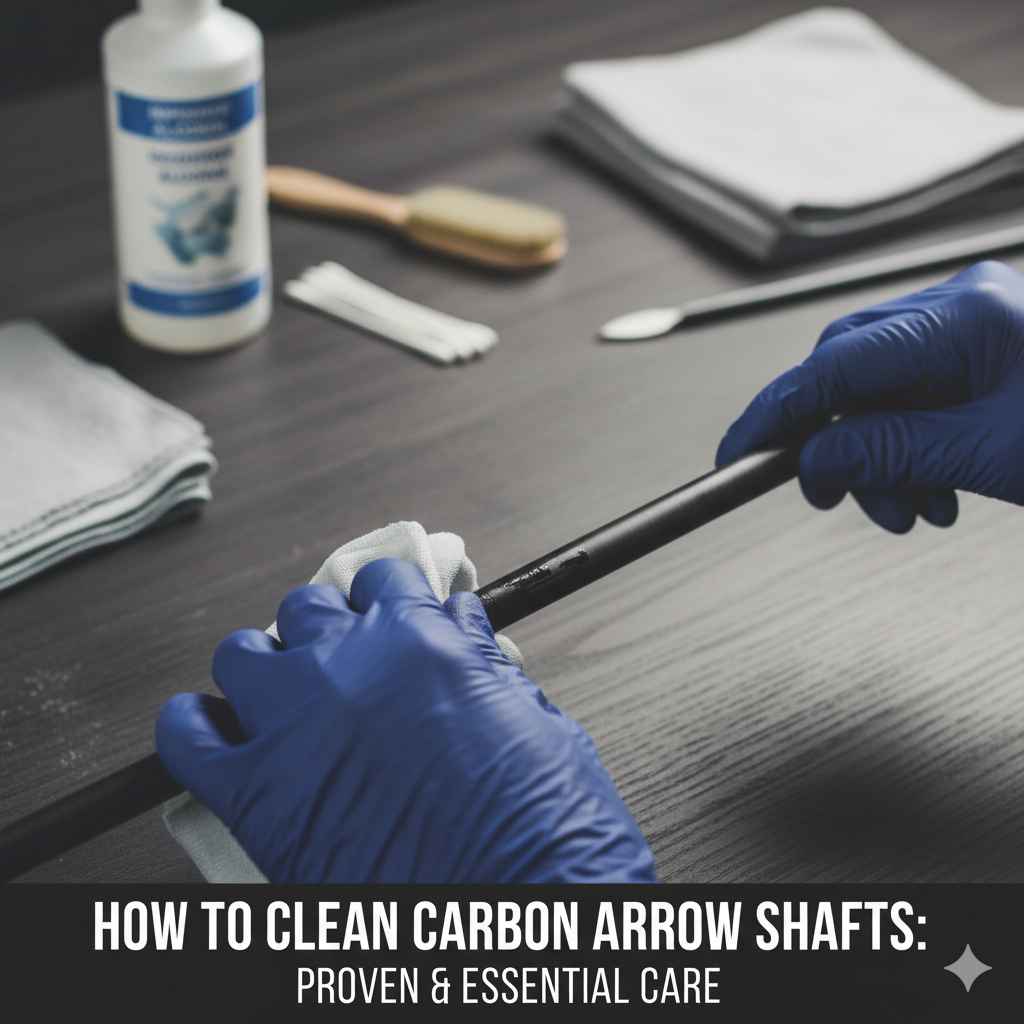
How to Clean Carbon Arrow Shafts: Proven & Essential Care
Properly cleaning carbon arrow shafts involves simple steps like dusting, washing with mild soap and water, and drying thoroughly. Regular care prevents residue buildup, maintains arrow integrity, and ensures consistent flight. This guide offers easy, proven methods for essential carbon arrow maintenance.

TOPARCHERY
TOPARCHERY Carbon Arrow Shaft 33 Inch Arrow…
- Straightness: Straightness:+/-0.003,length: 83.9 cm/33 inches,shaft inner diameter:6.2mm, Spine: 300/350/400/500/600.
- Carbon Arrow Shafts: Pure carbon arrow shaft, can provide excellent precision and outstanding flight performance under various con…
- Light Weight:Spine 300: about 18.5g, Spine 350: about 17.2g, Spine 400: about 15g, Spine 500: about 12.5g, Spine 600: about 10.8g
As an Amazon Associate I earn from qualifying purchases.
Welcome, fellow archers! Ever notice those little black smudges or sticky residue on your carbon arrow shafts after a great day of practice or hunting? It’s a common sight, and if left unattended, it can affect how your arrows fly and even the lifespan of your equipment. Don’t worry, keeping your carbon arrows clean and in top shape is surprisingly straightforward. You don’t need fancy tools or complicated procedures. With a few simple tips and a little bit of routine care, you can ensure your arrows are always ready for their best performance. Let’s dive into how to easily clean your carbon arrow shafts and give them the attention they deserve. We’ll walk through everything you need to know, step-by-step.
Why Keeping Your Carbon Arrows Clean Matters
As budding archers, we’re all focused on hitting the target, right? But sometimes, the equipment that gets us there needs a little TLC of its own. Carbon arrow shafts, while incredibly durable and lightweight, can accumulate gunk. This gunk can come from various sources: fletching glue residue, dirt and mud from the field, fingerprints, or even the small bits of carbon dust that can arise from arrow maintenance. While a bit of dirt might not seem like a big deal, it can lead to a few issues:
- Inconsistent Flight: Residue or uneven surfaces on the shaft can subtly alter how your arrow cuts through the air. This might not be noticeable at first, but it can affect your accuracy over longer distances.
- Reduced Adhesion: If you’re ever re-fletching or adding inserts, a dirty shaft won’t hold glue as well. This means your vanes or fletchings could come loose, leading to frustrating flyers.
- Aesthetic Appeal: Let’s be honest, clean arrows just look better! It shows you care about your gear and your sport.
- Identifying Damage: A clean shaft makes it much easier to spot any potential cracks, delamination, or other damage that could compromise the arrow’s integrity and your safety.
Think of it like a car – regular washing not only makes it look good but also helps prevent rust and keeps the paint protected. For your arrows, cleaning is about maintaining their performance and longevity. It’s a small effort that yields significant benefits for your shooting.

Essential Tools and Supplies You’ll Need
Before we get our hands dirty (or rather, clean!), let’s gather what you’ll need. The good news is, you likely have most of these items already around your home. There’s no need for specialized, expensive archery cleaning kits.
- Soft Cloths or Microfiber Towels: You’ll need a couple of these. One for washing and one for drying. Microfiber is excellent because it’s non-abrasive and highly absorbent.
- Mild Dish Soap: Just a small amount. We don’t need anything harsh that could potentially damage the carbon or any coatings. Dawn is a classic choice for cleaning.
- Warm Water: Not hot, just comfortably warm.
- Rubbing Alcohol (Isopropyl Alcohol): Optional, but very useful for removing stubborn residue like old glue or tape marks. Make sure it’s at least 70% Isopropyl Alcohol.
- A Soft Brush or Old Toothbrush: For gently scrubbing away any stuck-on grime in tight spots or around nocks and points.
- Gloves (Optional): If you have sensitive skin or just prefer not to get your hands soapy.
That’s really it! With these basic supplies, you’re ready to give your carbon arrows a spa treatment.
Step-by-Step Guide: How to Clean Carbon Arrow Shafts
Alright, let’s get down to business. These steps are simple and designed for ease. Follow along, and your arrows will be looking and performing their best in no time.
Step 1: The Initial Dust-Off
Before you even think about water, give your arrows a good once-over. Use a dry, soft cloth or microfiber towel to wipe down each shaft. This removes loose dust, dirt, and any surface debris. It’s a quick step that prevents you from just spreading dirt around when you add water.
Why this is important: This prevents you from grinding grit into the carbon surface when you start to wash. It’s like brushing your teeth before you use mouthwash!
Step 2: Prepare Your Cleaning Solution
Grab a bowl or bucket and fill it with warm water. Add just a drop or two of mild dish soap. You want just enough to create a little bit of suds, but not so much that rinsing becomes difficult. Too much soap can leave a film.
Expert tip: Agitate the water slightly with your hand or a cloth to mix the soap evenly without creating a mountain of bubbles.
Step 3: Gentle Washing
Now, take your damp cloth (dipped in the soapy water and wrung out so it’s not dripping) and gently wipe down the entire length of each carbon arrow shaft. Work in sections. If you encounter any sticky spots or stubborn dirt, you can use a soft brush or an old toothbrush dipped in the solution to gently scrub the area. Be careful not to apply too much pressure, especially on the carbon itself.
Focus on: Pay special attention to areas where you might have touched the shaft most, or where dirt tends to accumulate. If your arrows came into contact with mud or other sticky substances, address those spots with a bit more attention, but always with gentleness.
Step 4: Rinsing Off the Soap
Once you’ve washed the entire shaft, you need to rinse off all the soap residue. Use another clean cloth, dampened with plain warm water, and wipe down the shaft again to remove all traces of soap. You might need to rinse and wring out this cloth several times to ensure all the soap is gone. Any leftover soap can leave a slippery film or attract dust later.
Key here: Thorough rinsing is crucial for a clean finish and to avoid any residue that could affect future applications like vanes. A clean shaft is a happy shaft!
Step 5: Deep Cleaning Stubborn Residue (Optional but Recommended)
For those really tough spots – like old glue from fletchings, grip tape remnants, or tar – a bit of rubbing alcohol can work wonders. Put a small amount of 70% or higher isopropyl alcohol onto a clean cloth or cotton ball. Gently rub the affected area. The alcohol is great at breaking down adhesives and greasy residues without harming the carbon shaft.
Caution advised: While alcohol is generally safe for carbon arrows, avoid prolonged soaking or rubbing excessively, as it could potentially affect some coatings or epoxy used in arrow construction. Always test a small, inconspicuous area first if you’re unsure.
You can find more information on cleaning solvents and their effects on various materials from resources like the Occupational Safety and Health Administration (OSHA), which provides valuable insights into chemical safety, although their focus is industrial. For archery, a gentle approach is always best.
Step 6: Thorough Drying
This is a critical step that many beginners overlook. After washing and rinsing, use a clean, dry microfiber towel to thoroughly dry each arrow shaft. Make sure there’s no moisture left on the surface. Wipe down the entire shaft, paying attention to the ends where water can collect. You can also let them air dry on a clean rack for a bit, but a final wipe-down ensures they are completely dry.
Why drying is key: Moisture can, over time, lead to problems, especially if you store your arrows in less-than-ideal conditions. Also, a dry shaft is essential if you plan to apply new fletchings or inserts soon.
Step 7: The Final Inspection
Once your arrows are clean and dry, take a moment to inspect them. Run your fingers along the shaft. Does it feel smooth? Are there any nicks, scratches, or signs of damage? This is also a great time to check your nocks and points to ensure they are secure. A clean arrow makes it much easier to spot potential issues like cracks, which are a serious safety concern.
Safety first: Always inspect your arrows before and after shooting. Damaged arrows, especially carbon ones, can break during a shot, leading to serious injury. If you find any damage, retire the arrow immediately.
Cleaning Different Parts of Your Arrows
While the shaft is the main event, it’s worth noting how to handle other parts of your arrows during the cleaning process.
Cleaning Fletchings (Vanes)
Fletchings, whether they are vanes or feathers, require a more delicate touch. Harsh chemicals or vigorous scrubbing can damage them. For most fletchings, a quick wipe with a damp cloth (using the same mild soap and water solution as for the shafts) is usually sufficient. Be very gentle to avoid bending or tearing them.
- For vane adhesion: If you notice glue residue around where the vanes attach to the shaft, you can use a cotton swab dipped in rubbing alcohol to carefully clean just that area. Be extremely precise and avoid getting alcohol on the vanes themselves, as it can sometimes make plastics brittle.
- For feathers: Feathers are more fragile. A gentle dusting with a dry cloth is often all they need. If they get wet or dirty, a very lightly dampened cloth might be used, but let them air dry completely afterward. Never try to comb or brush feathers vigorously.
Cleaning Nocks and Inserts
The nock (the part that attaches to the string) and the insert (where the point is attached) can also get dirty. You can usually clean these with your soapy water and a small brush or cotton swab. Ensure no water gets trapped inside the insert if it’s a loose-fit type before it’s bonded in place.
For consistent shooting: A clean nock ensures a smooth release off the string. A clean insert area is vital for securely installing broadheads or field points, contributing to accurate flight.
When to Use Specialized Cleaners or Tools
For most beginner and hobbyist archers, the simple method outlined above is more than enough. However, there are situations where you might consider something a bit more specialized:
- Extremely Stubborn Residue: If you’ve tried rubbing alcohol and still can’t remove something like old, hardened glue or tar, you might look into specialized adhesive removers designed for composite materials. Always ensure they are safe for carbon fiber and test them on a scrap piece or an inconspicuous area first.
- Scuff Marks and Minor Scratches: Some archers use very fine-grit sandpaper (like 1000-grit or higher) or a polishing compound to buff out minor cosmetic scratches or scuff marks from carbon shafts. This is more for aesthetics and can be done carefully after cleaning. Caution: Never use coarse sandpaper, as it will damage the carbon and potentially weaken the shaft.
- To Prep for Re-fletching: If you’re removing old vanes and preparing the shaft for new ones, a specialized vane adhesive remover and a clean shaft eraser (a rubber-like block) are invaluable tools. These ensure a perfectly clean surface for new glue to adhere to. Companies like Bohning offer excellent products for this purpose.
Remember, the goal is to clean, not to alter the structural integrity of the arrow. Keep it simple unless you encounter a specific problem.
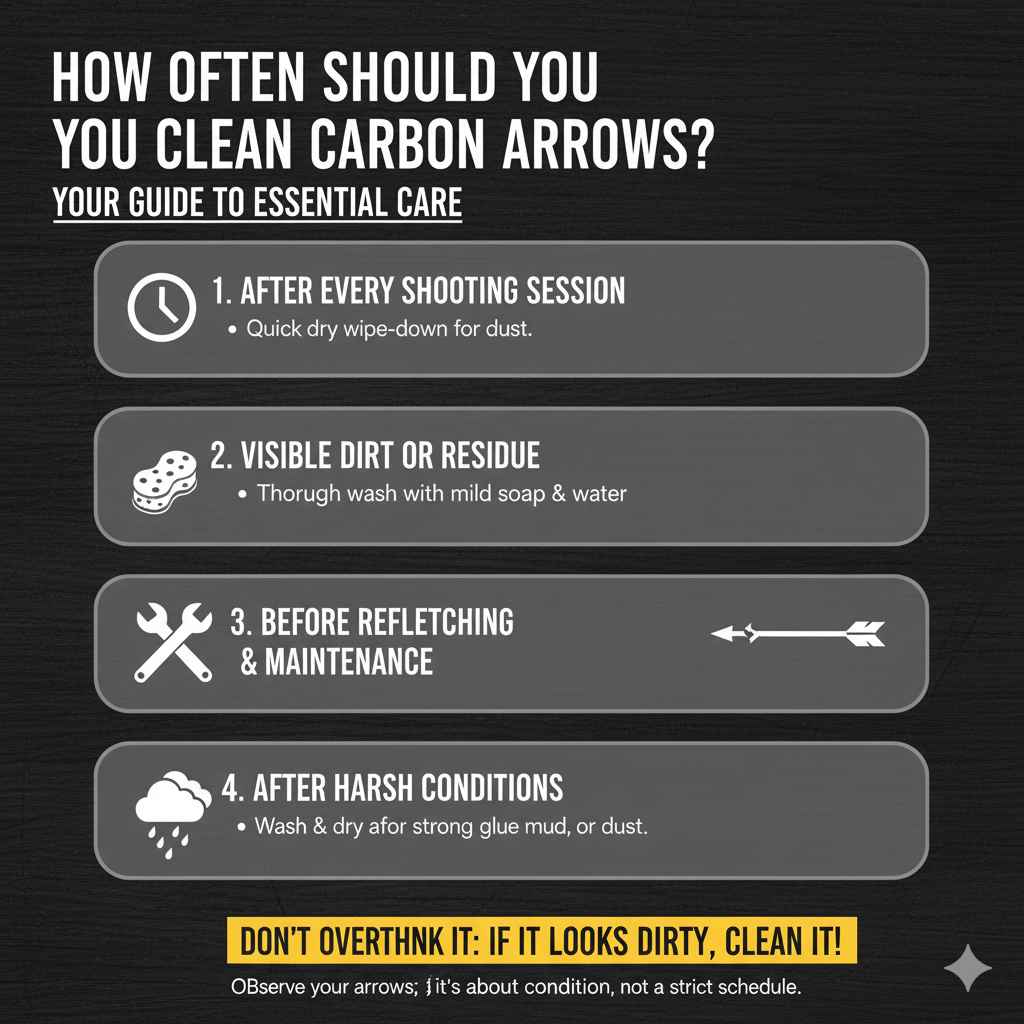
How Often Should You Clean Carbon Arrows?
This is a great question, and the answer really depends on how much you shoot and in what conditions. Here’s a good guideline:
- After Every Shooting Session: A quick wipe-down with a dry cloth to remove dust and any immediate grime is a good habit.
- When Visible Dirt or Residue Appears: If you notice smudges, dirt, or sticky spots, it’s time for a more thorough wash using mild soap and water.
- Before Re-fletching or Maintenance: Always clean your shafts thoroughly if you’re planning to work on them, such as installing new vanes or checking inserts.
- After Hunting in Harsh Conditions: If you’ve been out in rain, mud, or dusty environments, a good wash and dry are a must.
Don’t overthink it. If your arrows look dirty, clean them. If they feel sticky or have residue, clean them. It’s more about observation than a strict schedule.
Troubleshooting Common Cleaning Issues
Even with the best intentions, you might run into a snag. Here are a few common issues and how to fix them:
Issue: Sticky residue that won’t come off
Solution: Try the rubbing alcohol method (Step 5). If alcohol doesn’t work, you might have a very tenacious adhesive. Gently try scraping with a plastic scraper (like a credit card edge), then reapply alcohol. If it’s still there, and it’s old fletching glue, you might need a specialized solvent. Be patient and avoid aggressive scraping that could damage the carbon.
Issue: White streaks or haziness after drying
Solution: This is usually due to dried soap residue. It means your rinsing wasn’t thorough enough. Re-dampen a clean cloth with plain water and wipe down the shafts again, ensuring all soap film is removed. Then, dry them meticulously with a clean, dry towel.
Issue: Fletchings are bent or damaged from cleaning
Solution: Be more gentle next time! For minor bends in vanes, sometimes you can gently warm them with a hairdryer on a low setting (from a distance!) and try to straighten them with tweezers. For feathers, this is difficult to fix. If they are significantly damaged, you will need to replace them.
Issue: I accidentally got the shaft wet inside the insert
Solution: If you’re using glue-in inserts, this isn’t a big deal structurally, just dry it off. If you’re using press-fit inserts, moisture could potentially interfere with their snug fit over time, though it’s unlikely to be a major issue if dried promptly. Ensure all water is out before storing.
Remember, the key to cleaning carbon arrows is a gentle, persistent approach. Most issues are usually resolved with patience and the right, mild cleaning agents.
Table: Cleaning vs. Damage Assessment
It’s important to distinguish between routine cleaning and identifying actual damage. Cleaning is maintenance; damage assessment is about safety and readiness.
| Characteristic | During Cleaning | Indicating Potential Damage |
|---|---|---|
| Surface Texture | Smooth, occasional slight friction from residue. | Rough patches; deep scratches; splintering; indentations. |
| Color/Appearance | Consistent color for the shaft material; residue might appear darker or lighter. | Cracks (often visible as white lines or separations); delamination (layers separating); discoloration due to impact or UV exposure. |
| Sound (when tapped lightly) | Solid, consistent sound. | Hollow or “dead” sound can sometimes indicate internal damage. |
| Feel | Smooth, slightly slick if washed; dry and clean after. | Grooves, sharp edges, loose fibers, or anything that feels like a structural compromise. |
Always err on the side of caution. If you’re unsure whether something is just dirt or actual damage, treat it as potential damage and consider retiring the arrow. For more on arrow safety, resources like the USA Archery website offer guidance and can point you towards certified instructors who prioritize safety.
Conclusion
Taking care of your carbon arrow shafts is a simple yet vital part of being a responsible archer. By adopting a routine of dusting, washing with mild solutions, drying thoroughly, and performing regular inspections, you ensure your arrows remain accurate, durable, and safe to shoot. These aren’t complicated, time-consuming tasks. They’re just small acts of maintenance that protect your investment and, more importantly, contribute to your enjoyment and success in archery. So, next time you finish a practice session, take a few extra minutes to give your arrows some attention. You’ll be rewarded with consistent performance and the confidence that comes from knowing your gear is in top condition. Happy shooting!
Related pick: Check today's price on Amazon