How Weather Affects Arrow Flight in Wind, Rain, and Cold
Wind usually moves arrows sideways, and that drift grows as distance rises and direction stays constant. Rain mostly hurts repeatability by wetting feathers or adding drag to the shaft, while cold often exposes a stiffer-feeling bow setup; if the miss changes with weather but not with form, start with the weakest tune point. Ignoring that split wastes arrows, changes sight marks blindly, and can hide a setup flaw until hunting light. This guide shows how to separate wind, rain, and cold from a bow or arrow problem and what to adjust first.
How weather changes arrow impact and grouping
What changes in the arrow path first
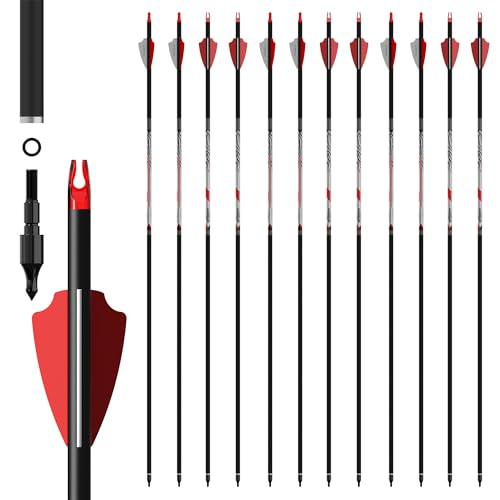
The first visible change is usually horizontal drift in wind, a soft drop in speed and group quality in rain, and a repeatable point-of-impact shift or a wider group in cold. The key is to ask whether the arrow moved because the air changed, or because the bow, shaft, or release got less consistent.
Why distance makes weather effects easier to see
Weather effects grow with distance because the arrow stays in the air longer, so the air has more time to push, slow, or steer it off line. A light crosswind can matter at short range and become more noticeable at longer distances. Rain and cold also become easier to read at longer range because tiny launch errors have more time to spread the group.
What counts as a weather issue versus a setup issue
A weather issue often changes with the day: the same bow shoots differently when wind rises, rain wets fletching, or cold changes grip pressure. A setup issue usually repeats under similar conditions. If the group moves the same way in calm air, that points more toward spine, nocking point, rest position, or release errors.
Arrow weather decision table
| Condition | Visible symptom at the target | First adjustment to try |
|---|---|---|
| Light wind | Small side drift, usually more obvious past 30 yards | Aim with the wind side in mind and check that your arrows are not under-spined for your draw weight and point weight |
| Gusty crosswind | Groups string out left and right, with one arrow catching more drift than the rest | Wait for a steadier window, then hold for the average wind instead of the strongest gust |
| Steady rain | Impact point stays close, but groups open and hits become less repeatable | Check for wet vanes or feathers and dry the arrow before reshooting |
| Freezing temperatures | More vertical spread, a harsher shot feel, or a small point-of-impact change | Check string condition, serving, grip pressure, and whether the release hand changed with gloves |
| Wet fletching | Arrows may fishtail or group poorly even when the bow tune looked fine before the rain | Dry or replace the fletching, then reshoot before changing sight marks |
Do not chase the tune
Temporary weather effects should not trigger a full bow tear-down. If the bow groups well in calm air and the issue appears only in wind, rain, or cold, treat the weather as the main variable first. A repeated miss in every condition is different. That is when setup changes deserve attention.
Say your 30-yard group opens only on a windy evening, with arrows landing right when the gusts hit. That is a weather read, not proof that the rest moved. Suppose the same group stays open at dawn on a calm day. Then the bow likely needs a tune check.
How does wind affect arrow flight?
Wind affects arrow flight through crosswind drift. A full-value crosswind pushes the arrow sideways across its path, and a partial-value wind does less because it hits the arrow at an angle. The farther the shot, the longer the arrow stays exposed, so the drift grows with range.
Crosswind drift and full-value versus partial-value wind
Full-value wind comes from the side and acts on the arrow for the whole flight path. Partial-value wind has some forward or rearward angle, so only part of it pushes sideways. That is why two winds with the same speed can move an arrow differently. Direction matters as much as speed.
Why gusts move arrows more than steady air
Steady wind is easier to read because the arrow sees the same push for most of the flight. Gusts change speed and direction from shot to shot. That makes impact points scatter, even if the shooter form stays clean. A gusty day often reveals more about timing than about tune.
How arrow surface area and drag change drift
Arrows with more exposed surface area present more side area to the wind. Large vanes, tall feathers, and broad broadheads all catch more air than slim setups. Drag also matters because a slower arrow spends more time in the wind. That is why a light, fast shaft can still drift differently from a heavier, slower one.
What does rain do to arrow flight?
Rain usually affects consistency more than overall direction. Wet shafts and wet fletching can add drag, and wet feathers in particular lose steering efficiency fast. Rain can also blur target feedback, making it harder to read where the arrow entered and whether the miss came from the shot or the conditions.
Wet shafts, wet vanes, and added drag
Water droplets on the shaft or fletching can change how the arrow leaves the bow and how it stabilizes in flight. Feathers absorb water and collapse more easily than plastic vanes. Vanes handle moisture better, but they still lose some clean steering when soaked with grit or mud.
Visibility limits and weaker target feedback
Rain makes it harder to see the pin, the aiming point, and the arrow’s strike. It can also reduce the quality of feedback from the target face or foam. That makes diagnosis harder. A missed shot may look like a tune issue when the real problem is simply poor sight picture in wet light.
Drying, inspection, and maintenance after shooting
After wet shooting, dry the shaft, nocks, inserts, and fletching before storage. Check for loose vanes, soft feathers, and dirt trapped under the glue line. If a bow sat in rain, inspect serving, rest, and string condition too. Moisture does not just affect flight; it can shorten the life of the parts.
What happens to arrow flight in cold weather?
Cold weather often changes the bow and the shooter more than the carbon shaft itself. String feel, serving texture, limb response, glove bulk, and release-hand grip can all shift. Carbon shaft spine usually does not change much from normal cold exposure, so the main concern is consistency, not a dramatic shaft change.
String, serving, and limb behavior in low temperatures
Low temperatures can make the string feel stiffer and the serving less forgiving to the hand. Limbs may also feel different at full draw, and some shooters notice a harsher or less smooth shot. None of that means the shaft spine suddenly changed a lot. It means the bow may launch the arrow under slightly different conditions.
Why shooter grip and release hand matter more in the cold
Cold hands change anchor pressure. Gloves can bulk up the release hand or the bow hand, and that changes torque. A tighter grip or a rushed follow-through can move the arrow more than the temperature itself. If groups open in the cold, check the hands before changing arrow parts.
What to watch for with carbon shafts and spine consistency
For most carbon arrows, spine consistency stays close enough that cold alone is not a reason to re-spine the shaft. The better check is whether the setup already runs close to the edge. A bow that is marginal on spine, point weight, or draw weight may show that weakness more clearly in cold conditions.
Which setup changes help in wind?
Wind calls for stable arrow flight, not blind weight changes. The main setup questions are static spine, dynamic spine, point weight, arrow mass, and fletching choice. A bow that is well matched in calm air often needs less correction in wind than one that is already weak or overdriven.
Arrow spine and point weight match
Static spine is the shaft’s stiffness rating. Dynamic spine is how that shaft behaves once matched to draw weight, point weight, release style, and bow setup. A heavier point weakens dynamic spine. A lighter point stiffens it. If wind groups look sloppy and the bow is already marginal, the first fix is usually a better spine match, not a random sight change.
Arrow mass tradeoffs for windy conditions
Heavier arrows often carry more momentum and may resist being pushed as much once they are moving, but they also leave the bow slower. That tradeoff matters. More mass can reduce some wind drift effects, yet the slower launch gives wind more time to act. There is no automatic win. The right answer depends on draw weight, distance, and broadhead use.
Fletching choices for steering stability
Vanes usually hold up better than feathers in wet or dirty weather. Feathers can steer well, but they are more sensitive to moisture. More surface area gives more steering, which can help broadheads recover faster, yet it can also catch more wind. Offset or helical fletching adds steering force and can help stabilize an arrow sooner after launch.
A common first-timer mistake is to blame wind for every left-right miss. Suppose the arrow has low-profile vanes, a heavy point, and a draw weight that already pushes the shaft hard. A side miss at 50 yards may still be a spine problem, not a weather problem.
- Check whether the miss appears only in wind, rain, or cold.
- Compare short-range and long-range groups.
- Inspect vanes, feathers, nocks, and shaft dryness.
- Confirm spine match against draw weight and point weight.
- Adjust sight or hold only after the weather pattern is clear.
Do not chase the tune
Temporary weather change and permanent setup weakness can look similar. A gust may move one arrow, while a bad spine or poor release moves every arrow the same way. The goal is to separate a one-day condition from a repeatable pattern before changing hardware or sight marks.
When to wait for calmer conditions
If the group only opens in obvious wind or heavy rain, waiting is often the best first move. That is especially true for hunting shots, where a short pause can matter more than forcing a risky release. Calmer air gives a cleaner read on the bow and removes a lot of guesswork.
When a repeated impact change means the bow needs tuning
If the same horizontal or vertical shift appears in calm weather, the bow likely needs a tune check. Look at spine match, point weight, rest position, nocking point, and release consistency. Weather can reveal a weakness, but it rarely creates a repeatable flaw all by itself.
Frequently asked questions
Does rain change arrow trajectory or impact point?
Rain can change impact point mainly by adding drag to wet shafts and wet fletching, especially feathers. It also makes aim harder to read and target feedback less clear. The arrow may not fly wildly off line, but group size and repeatability usually suffer enough to matter.
How do I tune arrows for windy conditions?
Start with a clean spine match to draw weight and point weight. Then choose fletching that stabilizes quickly without adding too much drag. A slightly heavier arrow can help with momentum, but it also slows launch speed. The first goal is a stable, repeatable setup, not maximum mass.
Do heavier arrows handle wind better?
Heavier arrows can carry momentum well and may be less bothered by some wind effects, but they are also slower. That lower speed gives wind more time to push them. So heavier is not automatically better. The best choice depends on distance, bow speed, and the broadhead or field point used.
How much does weather matter for hunting shots?
Weather matters more as range increases, and hunting shots are usually taken under time pressure. Wind can move the arrow, rain can blur sight picture and wet fletching, and cold can change the feel of the shot. In poor weather, shorter shots and calmer conditions usually give the best odds.