Best Arrow Spine for 50 Pound Draw Weight in 2026: Research Shows
For a forgiving recurve setup, start on the weaker side of the accepted range and keep heavy front ends out until the bare shaft is close. For a compound with broadheads, start stiffer than a recurve setup at the same draw weight, then let arrow length and total front-end weight decide the final shaft.
For a 50-pound bow, start around 500 spine for a recurve with a 28–30 inch arrow and 100-grain point, and around 400–500 spine for many compounds; longer arrows or heavier points move you weaker, shorter arrows or lighter points move you stiffer. Wrong spine wastes tune, shrinks grouping, and can make broadheads plane badly. This guide gives a bow-type decision map, then adjusts spine by arrow length and point weight and flags the tuning mistakes that make a 50 lb setup feel weak or stiff.
Quick comparison
| Product | Badge | Best for | Price | ||
|---|---|---|---|---|---|
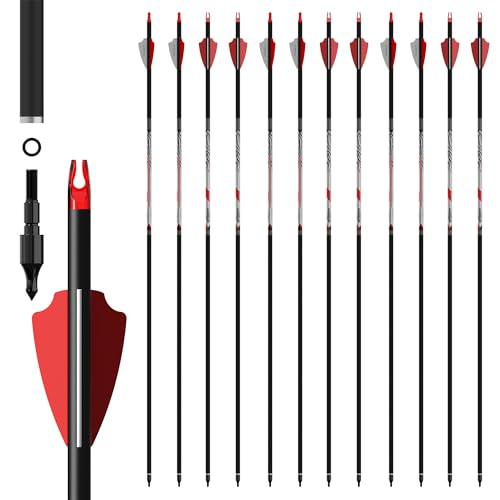 | WIXUSPO 32" Pure Carbon Archery Arrows Spine 300 RemovableWIXUSPO | Our pick | 32" · Spine 300 · Carbon | $49.99 Price as of 17 Oct 2026 | View |
 | AMEYXGS 12 Pack 30 Inch Archery Aluminum Arrows Spine 300AMEYXGS | Budget pick | 30" · Spine 300 · Aluminum | $43.99 Price as of 17 Oct 2026 | View |
How we chose
Arrow spine is the shaft’s static stiffness. The standard test uses a 29-inch shaft supported 28 inches apart, with an 880-gram weight suspended from the center; a 500 spine arrow deflects 0.500 inches under that test, and lower spine numbers mean stiffer arrows.
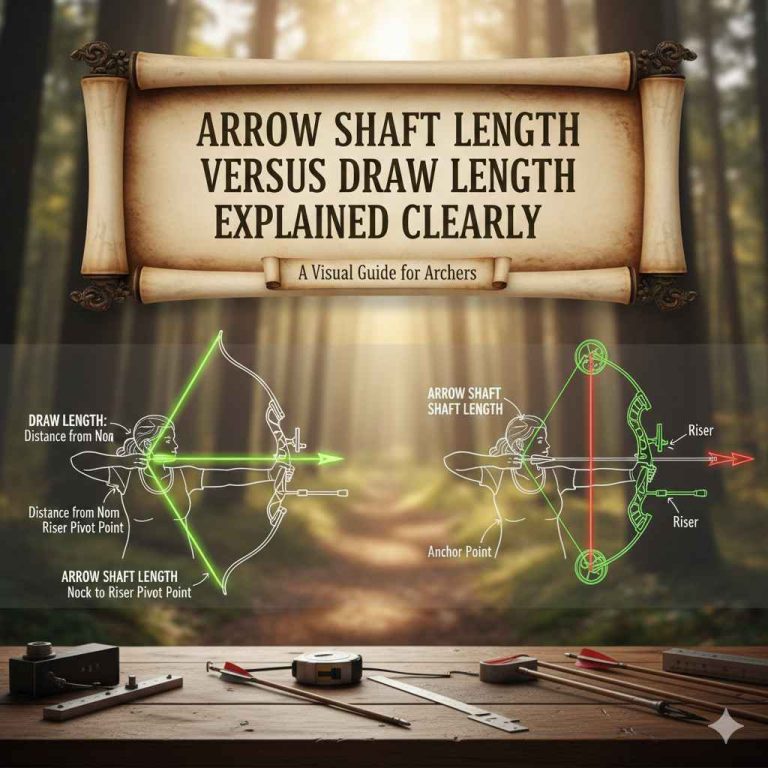
For a 50-pound bow, actual draw weight at the archer’s draw length often matters more than the marked weight, especially on compound bows where peak weight is often the relevant number. Arrow length is commonly measured from nock throat to shaft end, and longer shafts generally behave dynamically weaker.
Front-end weight also matters. Points, inserts, outserts, and collars all make the arrow behave weaker on the shot, so a 50 lb setup that looks fine on paper can tune weak as soon as the front end gets heavier.
The final check should go through a manufacturer selector or chart such as Easton, Gold Tip, Victory, Carbon Express, or Black Eagle. Easton also publishes a separate insert/outsert adjustment, which helps when the front end changes after the shaft choice is made.
What spine should a 50-pound bow start with?
Start with the bow type first. For recurve bows, a 50-pound setup commonly starts near 500 spine with a 28–30 inch arrow and a 100-grain point, then moves stiffer as arrow length shortens or point weight drops. For compound bows, many 50-pound setups start around 400 spine, but release style and front-end weight can pull that choice either way.
Recurve starting range
For a 50-pound recurve, a practical starting band is 500 spine for beginner-friendly setups and 400 spine for shorter arrows, heavier points, or tighter tune goals. A longbow or traditional bow usually wants the same or weaker spine than a recurve, because finger release and arrow contact both demand more forgiveness.
Compound starting range
Release aid use usually lets a compound accept stiffer shafts than a finger-released recurve at the same draw weight.
Where 50 pounds sits between 400 and 500 spine
Fifty pounds sits near the crossover point between 400 and 500 spine territory. The wrong assumption here is treating marked bow weight as the whole answer.
Does arrow length change spine?
Yes. Arrow length changes dynamic spine because longer shafts flex more on the shot, so a longer arrow behaves weaker and often needs a stiffer static spine to compensate. For a 50-pound bow, the difference between 27 inches and 31 inches is enough to shift a setup from safe to weak or from stiff to forgiving.
27-28 inch arrows
At about 27 to 28 inches, many 50-pound recurves can move stiffer than a 500 spine baseline, especially with about 100-grain points. Many compounds can also step down toward 400 spine or even stiffer if the front end is light and the arrow is cut short to the rest. Short arrows punish over-soft choices quickly.
28.5-30 inch arrows
At about 28.5 to 30 inches, the arrow is long enough to weaken dynamic behavior in a noticeable way.
31 inch arrows
At 31 inches, the shaft behaves weaker than the same spine at 28 or 29 inches. A 50-pound recurve with a 31-inch shaft and a 125- or 150-grain point may need a stiffer shaft than a chart line for 29 inches suggests. A compound setup with the same length and heavier front end can also move down to stiffer static spine.
Recurve: best for forgiving setups
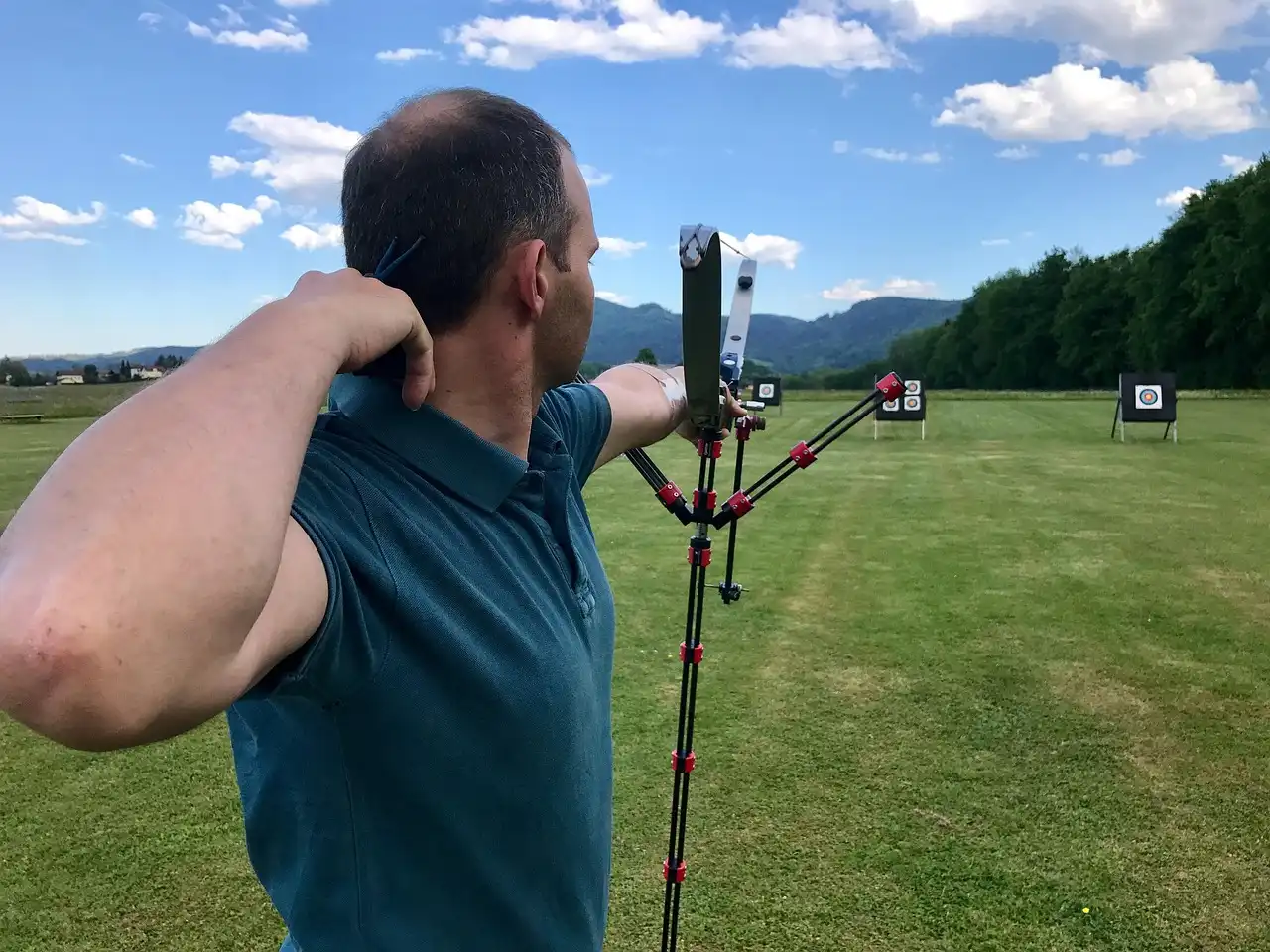
For recurve bows, the safest starting choice at 50 pounds is usually the more forgiving side of the chart, not the stiffest shaft that might bare shaft perfectly on a calm day. Finger release adds dynamic demand, so a recurve that is slightly soft is often easier to tune than one that starts too stiff.
Best starting spine range
The 45-50 lb and 50-55 lb recurve chart bands both start around 400 spine at 29 inches, but actual arrow length and point weight still decide the final choice.
How 100, 125, and 150 grain points shift the choice
At 125 grains, many setups still work on 500 spine, but a 28 to 29 inch arrow may move closer to 400 if the bow is fast or the front end is heavy. At 150 grains, expect the shaft to behave weaker and check whether 400 spine becomes the safer start.
The arrow will act weaker before you change anything else, so the clean fix is usually stiffer spine rather than just chasing rest position.
Compound: best for tuned hunting setups
For compound bows, the starting spine at 50 pounds depends heavily on peak weight, release aid style, and front-end mass. A compound with a clean release can tolerate a stiffer shaft than a finger-released traditional bow, but broadheads and heavy insert systems can push the same arrow weaker fast.
Peak weight and release style
Use peak weight for the compound decision, not the label alone. A 50-pound compound commonly starts around 400 spine with a 29-inch arrow, and the 50-60 lb compound range also starts around 350 spine in manufacturer guidance. A release aid often supports stiffer shafts than a finger release, while a rough release or poor tune can make a good shaft behave weak.
Broadheads and front-end weight
Broadheads add front-end weight and can expose weak spine faster than field points do. If the arrow is already long, a heavy insert or outsert can push the setup dynamically weaker enough that a shaft that looked correct on paper starts grouping left for a right-handed shooter or right for a left-handed shooter. That is the moment to reassess spine before buying a full dozen.
50-pound spine matrix
This matrix gives a starting point, not a final answer. It uses 50-pound actual draw weight, then changes the spine recommendation by arrow length and point weight. If your insert, outsert, or collar adds noticeable mass at the front, move one step stiffer sooner.
| Bow type | Arrow length | Point weight | Starting spine | Common mistake |
|---|---|---|---|---|
| Recurve | 27 inches | 100 grains | 500 | If the bow is fast or the front end has a heavy insert, move stiffer. |
| Recurve | 27 inches | 125 grains | 500 | If tail-left appears for a right-handed archer, the shaft is likely weak; step stiffer. |
| Recurve | 27 inches | 150 grains | 400-500 | Heavy points can overpower 500 spine; go stiffer if broadheads plane left. |
| Recurve | 28.5 inches | 100 grains | 500 | Do not cut the shaft later and expect the tune to stay the same. |
| Recurve | 28.5 inches | 125 grains | 400-500 | If the bare shaft lands weak, shorten the front end or move stiffer. |
| Recurve | 28.5 inches | 150 grains | 400 | Longer shaft plus heavy point is a classic weak-spine trap. |
| Recurve | 30 inches | 100 grains | 500 | If groups open and arrows plane weak, this length may need a stiffer shaft than expected. |
| Recurve | 30 inches | 125 grains | 400-500 | Do not ignore the insert, because front-end mass can tip the shaft weak. |
| Recurve | 31 inches | 150 grains | 400 | At this length, weak flight often means you need stiffer spine, not a lighter vane. |
| Compound | 27 inches | 100 grains | 400 | If the release is clean and the bow is efficient, 500 may be too soft. |
| Compound | 27 inches | 125 grains | 400 | Broadheads and heavy inserts can still push this row weak; check before bulk buying. |
| Compound | 28.5 inches | 100 grains | 400-500 | If the setup is paper-perfect but broadheads drift left, the front end may still be too soft. |
| Compound | 28.5 inches | 150 grains | 400 | Heavy tips plus longer shafts often need a stiffer start than a field-point tune suggests. |
| Compound | 30 inches | 100 grains | 400-500 | Longer arrows weaken the dynamic spine quickly; do not assume 500 is always enough. |
| Compound | 30 inches | 125 grains | 400 | Heavy front ends and broadheads can make a 500 spine feel mushy. |
| Compound | 31 inches | 150 grains | 350-400 | This is the kind of setup that often needs confirmation from the chart before buying a dozen. |
Picture a right-handed compound archer at 50 pounds with 31-inch arrows, 150-grain points, and a heavy insert. If tail-left groups show up, the arrow is behaving weak, so the first fix is usually stiffer spine before chasing nock height or vane choice.
WIXUSPO 32 pure carbon Archery Arrows Spine 300 removable tips: best for stiff-start tuning
This carbon shaft is for archers who already know they need a much stiffer start than a 400 or 500 spine. Based on the published details, the 32-inch length and spine 300 rating make it a better fit for long, heavy-front-end setups than for a forgiving 50-pound recurve baseline.
The strong point here is the carbon construction and the removable tips, which give room for tuning changes without replacing the shaft body. The drawback is simple: a spine 300 arrow is usually too stiff for many 50-pound recurve setups and many moderate compound setups, so it is not the first place to start for most readers.
AMEYXGS 12 Pack 30 inch Archery aluminum Arrows Spine 300 hunting Arrows target practice arrow with Field point for recurve bow or compound bows (Arrow): best for cut-to-fit practice
This aluminum option fits archers who want a 30-inch practice shaft with a very stiff starting point. The removable screw-in tips and the 300 spine rating make it a straightforward candidate for shooters who already expect a stiffer arrow than the common 50-pound recurve baseline.
Its main advantage is price-accessible practice use with easy tip replacement. The drawback is that 300 spine can be too stiff for many 50-pound setups, especially recurves with a 28 to 30 inch arrow and moderate point weight, so it is a poor guess if the final spine has not been narrowed down first.
Which one should you buy?
Buy the softer of the two recommended starting ranges first if you want forgiveness, especially for a recurve, traditional bow, or a compound that will shoot broadheads only after a clean bare-shaft tune. For many 50-pound recurves, that means beginning near 500 spine before moving stiffer only if the chart and the tune both ask for it.
Buy stiffer first if your arrow is long, your point weight is 125 or 150 grains, or your compound runs a heavy insert, outsert, or collar. A 50-pound compound with broadheads often needs the stiffer side of the starting band sooner than a field-point-only setup.
Before ordering a full dozen, buy a few test shafts in the two adjacent spine steps.
Frequently asked questions
What spine arrow for 50 pound recurve?
Move toward 400 spine as the arrow gets longer, the point gets heavier, or the bow shoots faster than expected. The final check should still follow the manufacturer chart.
What spine arrow for 40 lb recurve?
A 40-pound recurve usually starts weaker than a 50-pound setup, so 500 or 600 spine is often the practical zone depending on arrow length and point weight. A longer shaft or heavier point pushes the choice toward 600; a short shaft with a light front end can stay stiffer.
What spine arrow for 45 lb recurve?
For a 45-pound recurve, 500 spine is a common starting point for many 28 to 30 inch arrows, while shorter arrows or lighter points can move stiffer.
What spine arrow for 30 lb recurve?
A 30-pound recurve usually needs a much weaker shaft than a 50-pound bow, often in the 600 to 700 spine neighborhood depending on length and point weight. Longer arrows and heavier points still weaken dynamic spine, so the exact choice should come from the chart rather than guesswork.
What spine arrow for 70 pound bow?
A 70-pound bow typically needs a stiffer arrow than the 50-pound ranges in this guide, often around 300 to 400 spine depending on arrow length, point weight, and whether it is a recurve or compound. A long arrow with a heavy front end can still demand a stiffer shaft than expected.
Best arrow spine for 50 lb recurve with 125 grain points?
What arrow spine do I need for a 50 lb compound bow?
Release aid use generally supports stiffer shafts than finger release, but broadheads and heavy inserts can still push the setup weaker.
Does arrow length change spine for a 50 pound bow?
Yes. A longer arrow behaves dynamically weaker, so a 31-inch shaft may need a stiffer static spine than a 27-inch shaft at the same draw weight and point weight.