Arrow Spine and Fletching Size: Best Match for Tuning
For most setups, choose the correct spine first, then use fletching size to solve clearance and tune. Faster bows usually tend to need a stiffer shaft and about 2-inch or smaller vanes, while slower or barebow setups can often use a weaker spine and roughly 3- to 5-inch feathers. Pick the wrong match and you get poor arrow flight, vanes striking the rest or riser, and groups that move from end to end. This guide explains how spine and fletching size work together for recurve, compound, and hunting setups.
What spine and fletching do together
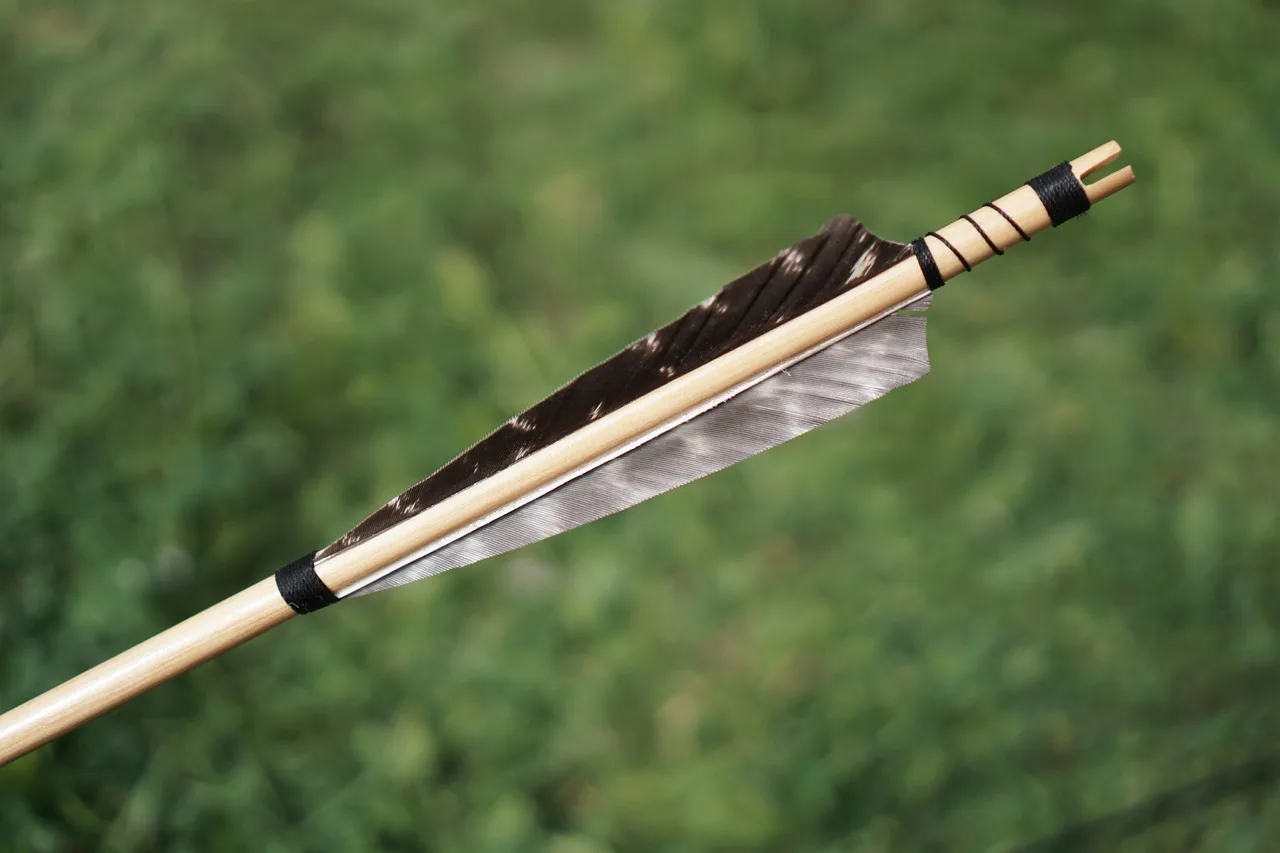


Arrow spine and fletching should be treated as one setup choice. Spine controls how much the shaft flexes on launch, while fletching controls how fast the shaft recovers and how much steering it gets after release. If the arrow clears the bow cleanly, fletching can help it recover. If clearance is poor, fletching can hide the problem or make it worse.
Static spine vs dynamic spine
Static spine is the shaft stiffness rating, usually given as a number by the maker. In many systems, lower numbers mean a stiffer shaft. Dynamic spine is what the arrow acts like in flight after draw weight, arrow length, point weight, release style, and broadhead choice are added in. That is why the chart number alone is only a starting point.
Heavier draw weight usually needs a stiffer arrow. Longer arrows can act weaker dynamically because there is more shaft flex. Heavier point weight, measured in grains, also makes an arrow act weaker. A clean release helps recovery; a plucked finger release can make a shaft act weaker than its chart label suggests.
How vane size changes recovery and drag
Larger vanes add steering and drag. That extra drag helps correct small launch errors and helps fixed-blade broadheads settle sooner. Smaller vanes reduce drag, which helps speed and often reduces clearance issues, especially on compounds with short brace height or tight arrow shelves.
Fletching type matters too. Plastic vanes are common on compounds and many target arrows. Feathers are lighter, recover faster after a bad launch, and often work on recurve and traditional setups. Low-profile vanes steer less than high-profile vanes. Right-hand or left-hand helical adds spin, which can help stabilization but also increases drag.
Why clearance can hide or expose spine problems
An arrow can look “okay” in a calm tune but still be the wrong match. Large vanes may correct minor instability, while also bumping into the rest, launcher, or riser. Small vanes may keep clearance clean, but they leave less steering margin if the spine is off or the point is heavy.
Say a 28-inch arrow on a compound bareshafts well with 100-grain points and 2-inch low-profile vanes. Swap to 4-inch high-profile vanes and a fixed-blade head, and the same spine may now show more drag and a wider tune window, especially if the rest or cable guard clearance is tight.
Arrow spine fletching table
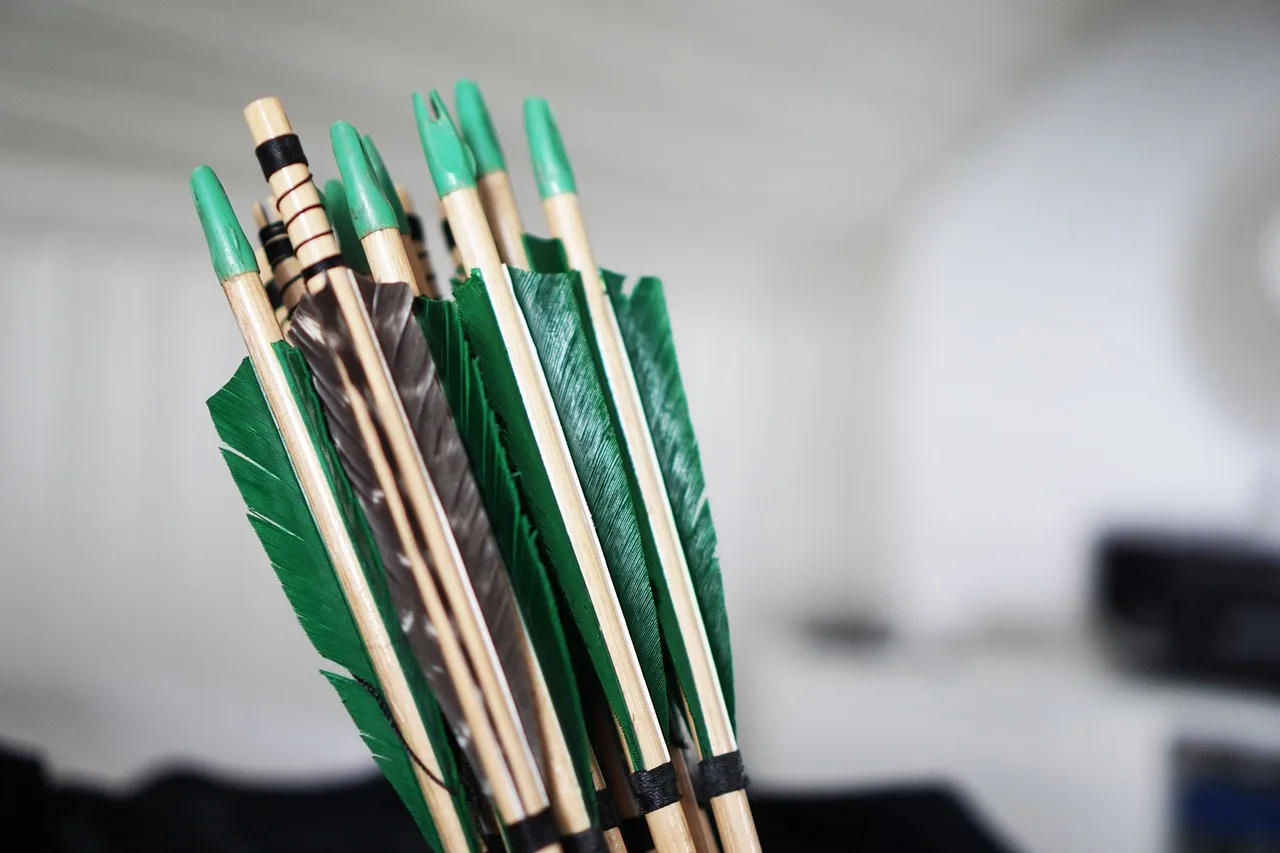
The table below is a setup matrix, not a universal rule. It shows a practical starting point for spine plus fletching as a system. Use the bow type, draw weight, arrow length, point weight, and shaft diameter together, then verify with a spine chart or calculator before tuning.
| Bow type | Draw weight band | Arrow length | Point weight | Arrow diameter | Target use | Recommended spine range | Fletching size and profile | Priority |
|---|---|---|---|---|---|---|---|---|
| Compound | 30–40 lb | 28–29 in | 75–100 gr | Micro-diameter | Target / field points | 500–600 | 2 in low-profile vane, little or no helical | Speed and clearance |
| Compound | 40–55 lb | 28–30 in | 100 gr | Standard-diameter | Target / 3D | 350–500 | 2–3 in low-profile vane, slight right-hand helical | Balance speed and forgiveness |
| Compound | 50–70 lb | 27–30 in | 100–125 gr | Micro-diameter | Hunting / fixed-blade broadheads | 300–400 | 3 in vane, medium profile, moderate helical | Forgiveness and broadhead control |
| Recurve | 25–35 lb | 29–30 in | 80–100 gr | Standard-diameter | Target / barebow | 700–900 | 4 in feather or 3 in low-profile vane, right-hand helical | Forgiveness |
| Recurve | 35–45 lb | 28–30 in | 100–125 gr | Standard-diameter | Target / hunting field points | 500–700 | 4 in feather or 3–4 in low-profile vane, stronger helical | Forgiveness and clean launch |
| Traditional bow | 35–50 lb | 29–30 in | 100–125 gr | Standard-diameter | Hunting / fixed-blade broadheads | 500–600 | 4 in feather, high-profile feather or vane, right-hand helical | Recovery and steering |
How to read the setup matrix
Start with the row closest to the bow and arrow you plan to use. If the setup uses fixed-blade broadheads, move toward the stiffer end of the spine range and toward larger, more stable fletching. If the setup uses field points only and clearance is easy, smaller vanes and a slightly lighter steering profile can work better.
The table favors clearance for fast compounds, forgiveness for recurves and traditional bows, and broadhead control for hunting rows. Micro-diameter shafts often allow a bit more vane height before clearance becomes a problem. Standard-diameter shafts usually need more careful vane selection, especially on bows with short brace height or crowded rest setups.
Does bigger fletching need stiffer spine?
Usually, no. Bigger fletching does not directly require a stiffer spine, but it does change how much steering the arrow gets after launch and how much drag it carries. That means a larger vane can make a marginal shaft behave better in flight, while also exposing clearance issues that a smaller vane would hide.
When larger vanes help weak arrows behave better
If an arrow is slightly weak dynamically, larger vanes can help it recover faster and stay pointed more consistently. That can tighten groups with field points and may help fixed-blade heads settle sooner. This does not fix a badly mismatched shaft, but it can smooth out a setup that is close to correct.
When larger vanes make clearance worse
Larger vanes can hit the rest, launcher, cable, or riser more easily. That is common on compounds with short brace height, broad cams, drop-away timing issues, or wide rests. A bigger vane can also lose speed quickly, so a setup that already shoots a stiff shaft may become slower without gaining real accuracy.
How arrow length and point weight change spine
Arrow length and point weight both change dynamic spine before fletching is even considered. Longer arrows flex more and act weaker. Heavier points also soften the tune by moving more mass toward the front. If the shaft is close, correcting these two variables is often smarter than changing vane size first.
Why longer shafts act weaker dynamically
Arrow length is measured from the nock throat to the shaft end. That measurement matters because a longer shaft has more bending distance during the shot. A 30-inch arrow can act noticeably weaker than a 28-inch arrow of the same spine, draw weight, and point weight.
Suppose a compound shooter is between two spine options. The 30-inch cut with a 125-grain point may tune weaker than expected, while trimming to 28.5 inches can bring the same shaft back into range before any fletching change is needed.
How heavier points soften the tune
Point weight is measured in grains. A heavier point makes the arrow act weaker because the front of the shaft resists launch correction more slowly. If a shaft is stiff, adding point weight can help. If the shaft is already weak, a heavier point can make fletching work harder than it should.
Before changing vane size, check three variables in order: arrow length, point weight, and spine range. That sequence solves many “bad fletching” complaints that are really setup problems. A spine chart or calculator gives a faster first pass than trial and error alone, then paper tune or bare shaft tune confirms the match.
Which fletching size works best?
There is no universal best size. Use 2-inch vanes when clearance and speed matter most, 3-inch vanes when you want a middle ground, and 4-inch vanes or feathers when broadhead control and forgiveness matter more than speed. The right choice depends on bow type, shaft diameter, and tune quality.
2-inch vanes for speed and cleaner clearance
Two-inch vanes are common on compounds, especially with micro-diameter shafts. They reduce drag and usually clear rests better than larger options. They are a strong choice for tuned setups shooting field points or small-profile hunting heads, but they give less correction if the arrow leaves the bow poorly.
3-inch vanes as a middle ground
Three-inch vanes are the middle path for many compound hunting arrows. They add more steering than 2-inch vanes without the drag and clearance penalty of larger profiles. This size often works well when the spine is correct, the bow is tuned, and the shooter wants a bit more forgiveness for real-world shooting.
4-inch vanes for broadheads and extra steering
Four-inch vanes or feathers add the most steering of the common sizes listed here. That makes them useful for recurve, traditional, and hunting arrows tipped with fixed-blade broadheads. They can also help short arrows recover faster. The tradeoff is drag, which can cost speed and cause clearance trouble on some compounds.
How do bow type and arrow diameter change the choice?
Bow type changes how much tune tolerance you have, and arrow diameter changes how much fletching the bow can clear. Compounds often reward smaller, lower-profile vanes. Recurve and traditional setups often need more steering and can tolerate feathers better. Micro-diameter shafts usually give more room for vane choice than standard shafts.
Compound bow setups and vane height
Compound bows can be sensitive to clearance because of rests, cables, and launcher timing. That is why 2-inch or 3-inch low-profile vanes are common. If the setup shoots fixed-blade heads, a stiffer shaft and a slightly more aggressive vane profile often help, but only after clearance checks are clean.
Recurve and traditional bow needs
Recurve and traditional bows usually accept larger feathers better than compounds. These bows often benefit from 4-inch feathers or larger low-profile vanes because they help stabilize the arrow sooner after release. String-walking can increase contact and tune demands, so the shaft and fletching must be matched carefully.
Micro-diameter vs standard-diameter shafts
Micro-diameter shafts generally cut wind drift and give more clearance room, which can allow a larger vane without a contact problem. Standard-diameter shafts catch more air and often need more careful vane selection. If a standard shaft is already close to contact, a smaller low-profile vane may be the safer choice.
Broadheads, feathers, and helical: when to choose each
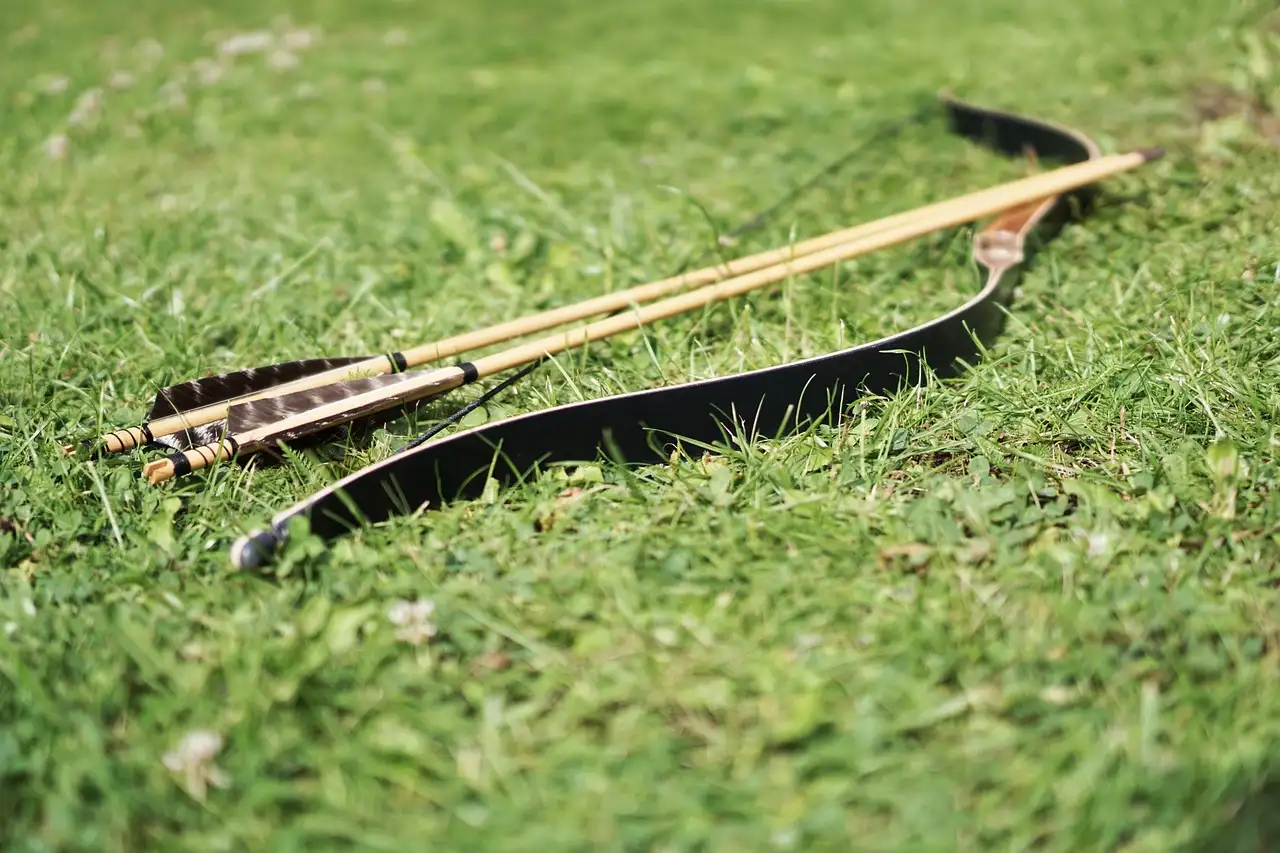
Fixed-blade broadheads demand more steering control than field points, so they usually pair better with stable fletching, good tune, and often a stiffer shaft. Feathers are light and forgiving for recurve and traditional setups. Helical helps spin and recovery, but it also increases drag and can reduce speed.
Fixed-blade broadhead tuning needs more control
Fixed-blade heads act like air brakes. They magnify any tune issue, especially weak dynamic spine, loose nock fit, or poor clearance. A good broadhead setup usually starts with the correct spine, then uses enough vane size and profile to keep the head stable in flight.
Plastic vanes vs feathers
Plastic vanes are durable and consistent in wet conditions, which is why they dominate compound setups. Feathers are lighter and often recover faster, which helps traditional and recurve bows. If clearance is a concern, feathers can be more forgiving because they compress more on contact.
Right-hand or left-hand helical
Helical wraps the vane around the shaft to induce spin. Right-hand and left-hand helical both work; the choice usually follows the rest of the setup or the archer’s convention. More helical adds stabilization, but it also adds drag, so it is best used where steering matters more than raw speed.
A common first-timer mistake is choosing a stiff shaft for speed, then pairing it with tiny vanes and a heavy fixed-blade head. The arrow may leave fast, but the broadhead shows the mismatch in flight. In that case, the fix is usually a better spine match or a more stable fletching choice, not both at once.
- Measure arrow length from nock throat to shaft end.
- Confirm draw weight at full draw, not only the limb label.
- Choose a spine range from a chart or calculator.
- Match fletching size to clearance and target use.
- Use larger steering surfaces for broadheads and small ones for speed.
- Paper tune, then bare-shaft tune when possible.
- Check broadhead flight before hunting arrows are final.
Frequently asked questions
What arrow spine and fletching size work best together?
The best match depends on bow type, draw weight, arrow length, point weight, and clearance. As a rule, a correctly spined shaft with the smallest vane that still stabilizes the arrow is the cleanest starting point. Faster bows often pair with stiffer spine and 2-inch vanes; slower bows can use larger feathers or vanes.
Does bigger fletching require a stiffer arrow spine?
Not directly, but bigger fletching often makes spine problems more visible. Larger vanes add drag and steering, which can help a weak arrow recover, but they also increase clearance risk. If the shaft is already on the weak side, large vanes plus a fixed-blade head can make tuning harder, not easier.
Should I use 2-inch, 3-inch, or 4-inch vanes for my arrows?
Use 2-inch vanes for speed and clean clearance, especially on compounds and micro-diameter shafts. Use 3-inch vanes as a middle ground for many hunting and 3D setups. Use 4-inch vanes or feathers when broadhead control, recurve forgiveness, or faster recovery matters more than speed.
How does broadhead size change the best fletching and spine combo?
Fixed-blade broadheads need more steering control than field points, so they usually favor a more stable shaft and slightly larger fletching. Larger cutting diameters and more blade surface demand better tune and more vane authority. If broadheads plane, the first checks should be spine, point weight, clearance, and fletching size.
Can the wrong fletching size make a good spine tune shoot poorly?
Yes. A shaft can bareshaft well and still group badly if the vane choice creates clearance contact, too much drag, or too little stabilization for the tip used. Small vanes may not correct enough for broadheads, while oversized vanes can hit the bow and spoil an otherwise good tune.
How do I match arrow spine and fletching for a recurve bow?
Recurve bows usually need a more forgiving setup, especially with finger release. That often means a spine that suits the draw weight and arrow length, plus 4-inch feathers or similar steering. String-walking and broadheads raise the need for clean tune and stable fletching, so paper tune and bare-shaft check are both useful.