How Bulky Jackets Change Anchor Point and Accuracy in Winter
If a winter jacket changes your anchor by about 1/2 inch, your point of impact can move and your groups can open; treat any repeatable shift at full draw as a setup problem. Misses, string contact, and low confidence follow quickly when layer bulk changes how you touch your face and how your forearm clears the string. This guide shows how bulky jackets change anchor point and accuracy in winter, and how to tell anchor drift, clearance trouble, and reduced rotation apart.
What you’ll need

- The exact winter layers you plan to hunt in, including base layer, mid layer, outer shell, gloves, and face covering.
- Your bow, arrows, and normal release aid or finger tab.
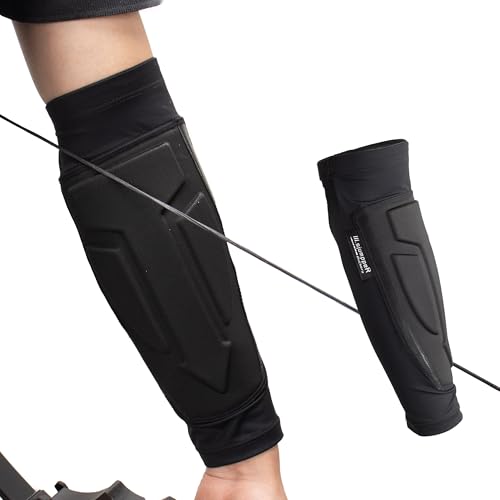
- An arm guard that matches your winter sleeve thickness.
- A safe shooting area with a blank bale or close target.
- A mirror, phone camera, or a helper to check full draw.
- Marking tape or a note card to record where the first contact point changes.
Winter anchor diagnostic table
Use this table to isolate the first thing that changes. Start with the contact point closest to the face, then check clearance, then check rotation and draw length. Recurve and compound shooters often fail in different spots, so the fix should match the bow type.
| Winter clothing scenario | First anchor change to watch | Likely shot error | Quick fix or gear swap to test |
|---|---|---|---|
| Puffy parka | Jaw contact moves lower as the shoulder pushes forward | Arrow prints low and left or low and right, depending on handedness | Swap to a slimmer shell and keep loft in a mid layer instead |
| Insulated vest | Bow arm stays free, but chest bulk shortens the draw feel | Short draw and weak back tension | Keep the vest snug and test the same anchor before changing anything else |
| High-collar fleece | Corner-of-mouth or jaw contact shifts because the collar pushes the head up | Peep or sight picture drifts high | Fold the collar down or switch to a lower-neck layer |
| Hard shell | Cheek contact becomes inconsistent when the hood and collar stack under the jaw | Anchor feels repeatable but the arrow leaves the bow differently | Try a shell with a softer neck and less shoulder bulk |
| Thick gloves | Release hand position changes because finger feel is muted | Release timing changes and groups open | Use thinner shooting gloves or a warmer liner under a proper release aid setup |
| Face mask | Cheek and jaw reference points shift forward or outward | Head tilts to chase a repeatable anchor | Use a thin archery-specific mask that clears the jawline |
| Neck gaiter pulled high | Anchor lands on fabric instead of bone | Anchor drift and peep alignment drift | Lower the gaiter or replace it with a thinner cut |
| Insulated vest with armholes too tight | Upper arm rotation stops early | Reduced hold stability at full draw | Open the armholes or switch to a vest with more shoulder room |
| Stiff shell cuffs | String clearance changes at the forearm first | String slap or a caught sleeve | Add an arm guard and test a cuff with less bulk |
| Cold-weather layered kit | Draw length perception changes because the torso does not settle the same way | Short draw and head position compensation | Recheck anchor with the full kit on and compare to a light-layer baseline |
How do bulky jackets change anchor point?
Bulky jackets change the first contact point at the face because shoulder bulk and collar thickness alter where the bow hand, draw elbow, and head land at full draw. On many shooters, the first shift shows up at the jaw or corner of the mouth before the nose or cheek changes. That small move can change draw length and head position.
Shoulder bulk and chest compression
A thick jacket can be too bulky for shooting a bow. When the chest and upper arm are compressed, the draw side elbow stops sooner and the drawing hand lands short of its normal spot. Bulky clothing can change draw and anchor point through elbow bunching, and cold weather can make the base layer bunch at the shoulder.
For compound shooters, that often shows up as a different release hand position against the face. For recurve shooters, the anchor can slide from a firm jaw reference to a softer contact on fabric or the side of the mouth.
Collars, hoods, and neck gaiters
High collars are a common failure point. A thick coat can catch the string, and a bulky coat can throw off anchor point and bow arm alignment. If the collar sits under the jaw, the shooter may start pressing the head forward to reach the same face contact.
Say your fleece collar is 1 inch taller than your regular collar. If the only change is that collar height, the first thing that usually moves is the jawline reference, not the bow hand. That is a clue that the problem is anchor drift, not a brace-height issue or a peep issue.
Recurve and compound anchor differences
Recurve anchor depends heavily on face references: chin, jaw, nose, and corner of the mouth. Compound anchor is usually more about consistent hand-to-face position, peep alignment, and release-hand placement. That means a collar problem can move a recurve anchor faster, while a shoulder-bulk problem can hide in a compound setup until the draw cycle starts to feel short.
Because the mechanics differ, test both bow types at full draw in full winter clothing. Fit matters because too tight clothing may prevent proper bow draw, and cold-weather archery gear should not be too tight or too bulky.
Why does winter clothing change accuracy?
Winter clothing changes accuracy because the shot no longer starts from the same body shape. String clearance can be lost, draw length can feel shorter, and cold muscles can reduce rotation before the shot breaks. A heavy coat can cause a bow fit that is fine in a T-shirt to feel wrong.
String clearance and sleeve contact
String clearance should be checked at full draw, not from a relaxed stance. Sleeves and cuffs are common contact points, and an arm guard becomes more important when winter layers are on. A thick coat can catch the string, and even a soft sleeve can brush the bowstring if the forearm rolls inward.
A common first-timer mistake is judging clearance from the range bag instead of at full draw. That misses the exact moment the cuff rises under tension.
Draw length perception and head position
Layer bulk can change the point where equipment meets the body. That changes how far back the drawing hand seems to travel, even when the string is in the same place. The result is often a short draw, then a head tilt to “find” the anchor again. Winter clothing can make you short draw.
Suppose a compound shooter adds a puffy mid layer under a shell and suddenly the release hand reaches the face sooner. If the peep is now low, the issue is probably reduced torso rotation or a changed shoulder line, not a sight issue.
Cold muscles and reduced rotation
Cold muscles can make full draw feel stiff, which often reduces shoulder rotation and hold stability. That matters most when the jacket limits movement already. Cold-weather archery gear should not be too tight or too bulky, because a restrictive coat and cold tissue together can shorten the shot without the shooter noticing right away.
Warm up with arm circles, band pulls, and a few slow draws before the first shot. The goal is not heat alone. It is enough movement to restore the same draw path.
Set up your winter shot
Build the shot around the hunt-day layers, not around a perfect indoor fit. Wear the same clothes you plan to hunt in so anchor, clearance, and draw path are checked together. A slim layering system is better than a thick coat that only feels warm.
- Put on hunt-day layers. Wear the exact base layer, mid layer, outer shell, gloves, mask, and arm guard you plan to carry. Keep the fit slim through the shoulders so the bow can move the same way it will in the field.
- Come to full draw. Draw to anchor three times without shooting. Check the first contact point: jaw, corner of mouth, nose, or release hand. If that point changes, stop and adjust the clothing before changing the bow.
- Check sleeve clearance. Raise the bow arm to full draw and watch the forearm and cuff from the side. If the string touches, add the arm guard or change the sleeve cut before shooting more arrows.
- Compare to a baseline. Shoot a close group with winter layers, then compare it to a light-layer shot on the same day if conditions allow. A clear pattern tells you whether the issue is anchor drift, draw-length change, or clearance.
- Trim or swap layers. If the jacket blocks rotation, remove the thickest piece first and replace it with a thinner shell or a snug vest. A snug vest can keep clothing tight so it does not interfere with the bowstring.
What winter gear causes the most problems?
Puffy parkas, high-collar fleece, and stiff shells cause the most trouble because they change both the face reference and the arm path. Gloves and masks matter too, but the biggest misses usually start with shoulder bulk or a collar that changes the anchor. That is why fit matters more than warmth alone.
Puffy parkas and insulated vests
Puffy parkas add shoulder bulk fast, and insulated vests can be a mixed bag. A vest is useful when it stays snug, but a loose one can still shift the torso and change where the bow string travels. Fit matters because too tight clothing may prevent proper bow draw, but too loose can let layers move under the string path.
A hunter in a parka may feel the bow arm reach full extension early, then lose the normal jaw contact. The fix is usually a slimmer outer shell, not a stronger pull through the draw cycle.
High-collar fleece and hard shells
High-collar fleece and hard shells are common troublemakers because they add bulk at the neck and jaw. That can change head position and make the anchor land on fabric instead of bone. If the collar rises higher than the jawline, the shooter often compensates by dropping the chin.
That compensation is part of the error. It changes the line of sight and the way the string touches the face.
Gloves, masks, and arm guards
Winter gloves can alter anchor and draw length by dulling finger feel. On a finger-release recurve setup, thick gloves reduce the sense of the string under the tab. On a compound setup, thick gloves can still change how the release aid sits in the hand. Winter gloves should protect against cold without changing the hand shape too much.
Face masks and neck gaiters should not shift the anchor point. Use a thin archery-specific fit that clears the cheek and jaw. Arm guards do the opposite job: they keep sleeves out of the string path and reduce string slap.
How can I tell if my jacket is too bulky for bow shooting?
If the jacket changes where the face touches the string, blocks full draw, or causes repeated string contact, it is too bulky for that setup. The clearest sign is a repeatable anchor drift that shows up only with the winter layers on. That is a setup problem, not just a comfort issue.
- Draw with no shot. Come to anchor and stop. If the elbow stops early or the head has to lean forward to make contact, the coat is interfering.
- Check the face point. Note whether the first contact is jaw, nose, or corner of mouth. If the contact shifts when you zip the jacket, the jacket is changing the anchor.
- Watch the bow arm. Look for string slap on the sleeve or cuff. If the forearm brushes the string, the jacket or arm guard needs to change.
- Swap one layer. Remove only the outer shell or only the thick collar piece, then recheck. If the problem disappears, that piece is the culprit.
How do I keep my anchor point consistent with layers on?
Keep one face reference fixed and build the clothing around it. The safest reference is usually a bone point on the jaw or cheek, not a soft fabric edge. Practice clothing should be set up so the anchor lands in the same place every time, even with gloves and a mask on.
- Choose a fixed facial reference. Pick one point, such as the jaw hinge or corner of the mouth, and use it every time. Do not switch references between summer and winter.
- Fit the collar around that point. Lower or fold the collar so it stays below the anchor. If the collar rises into the face, replace it with a lower-profile layer.
- Match glove thickness. Use the same glove or release setup for every practice session. If the glove changes how the release hand lands, it changes the anchor.
- Recheck after every layer change. Add or remove only one piece, then shoot again. That keeps the cause obvious.
Should I practice shooting in the exact jacket I hunt in?
Yes. Practice clothing should match hunt day as closely as possible because the shot changes with layer bulk, collar shape, sleeve drag, and glove thickness. The point is not to copy warmth alone. It is to verify the full-draw fit that matters in the field.
- Wear the hunt-day kit. Include the same jacket, gloves, mask, and arm guard you expect to hunt in. Do not swap to lighter gear for practice if the jacket will be different later.
- Shoot close first. Start at short range so you can watch anchor and clearance. If the bowstring contacts the sleeve or the anchor shifts, fix that before moving back.
- Record the failure point. Note whether the problem is jaw drift, string contact, or short draw. That tells you which layer to change first.
- Repeat after every swap. If you change a glove, collar, or shell, shoot again immediately. A new layer can change the result even if the rest of the setup stays the same.
Prevention: keep a winter-only practice outfit packed with the exact layers you plan to wear. That avoids last-minute guessing before a hunt.
Common mistakes
Most winter errors come from testing only one part of the setup. A jacket can feel fine while standing still and still fail at full draw. Another common mistake is checking anchor without checking sleeve clearance, which hides the string contact that actually changes the shot.
- Testing the jacket in camp instead of at full draw.
- Letting the collar cover the jaw reference.
- Using thick gloves that change the release feel.
- Skipping the arm guard with bulky sleeves.
- Assuming a T-shirt fit will translate to winter fit.
Another error is forcing the shot through a blocked draw cycle. If the bow arm cannot rotate freely, the anchor may look normal while the shot path is already compromised. That is why the first correction should be clothing, not just sight pins or peep height.
Frequently asked questions
How do bulky jackets change my anchor point in winter?
They usually move the first contact point from bone to fabric. The jaw, cheek, or corner of the mouth can shift when shoulder bulk and collar thickness change head position at full draw. Recheck the anchor with the exact winter layers on, not just with the bow in hand.
Why does my bow shoot differently when I wear a heavy coat?
A heavy coat can change string clearance, shorten the draw feel, and alter the face reference at anchor. It can also change bow arm alignment, which sends the string path and arrow launch angle off the same line you get in lighter clothes.
What winter clothing causes the most accuracy problems in archery?
Puffy parkas, high-collar fleece, stiff shells, thick gloves, and neck gaiters that ride too high cause the most trouble. Those pieces affect the anchor point, the draw cycle, and the string path at the same time, which makes the shot less stable.
Will a face mask or neck gaiter change my anchor point too?
It can. If the mask adds bulk under the cheek or jaw, the anchor can slide forward or outward. Use a thin archery-specific fit and make sure the same bone reference is still available at full draw.