How Long Do Self Bows Last: Lifespan, Care, and Tips
When people first discover self bows, simple, traditional bows made from a single piece of wood, they often wonder how long these beautiful tools actually last. Unlike modern bows made with fiberglass or carbon, self bows have a timeless appeal and a reputation for both elegance and fragility. Some survive decades, while others break after a few years. What really decides their lifespan? If you’re considering making or buying a self bow, understanding how long they last and why is key to getting the most from your investment.
In this article, you’ll find clear answers based on real-world use and expert knowledge. We’ll explore the main factors that affect a self bow’s life, compare their durability to other bow types, share care tips, and answer common questions people rarely ask but should.
By the end, you’ll have practical guidance to help your self bow last as long as possible, maybe even long enough to become a cherished family heirloom.
What Is A Self Bow?
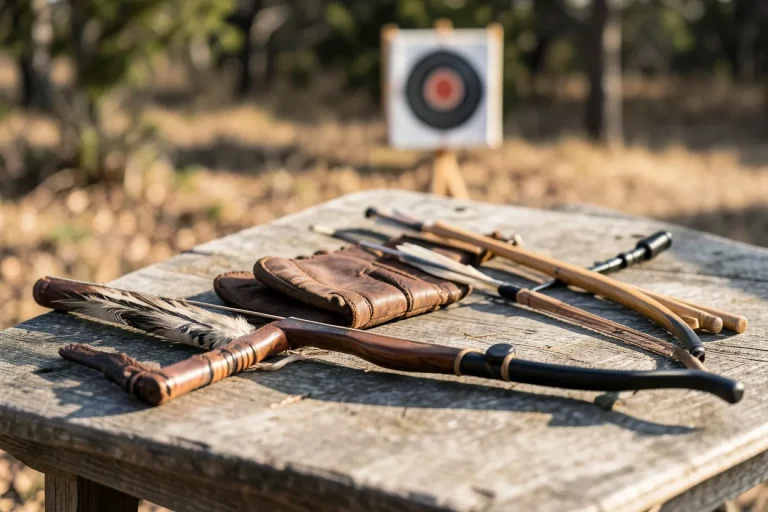
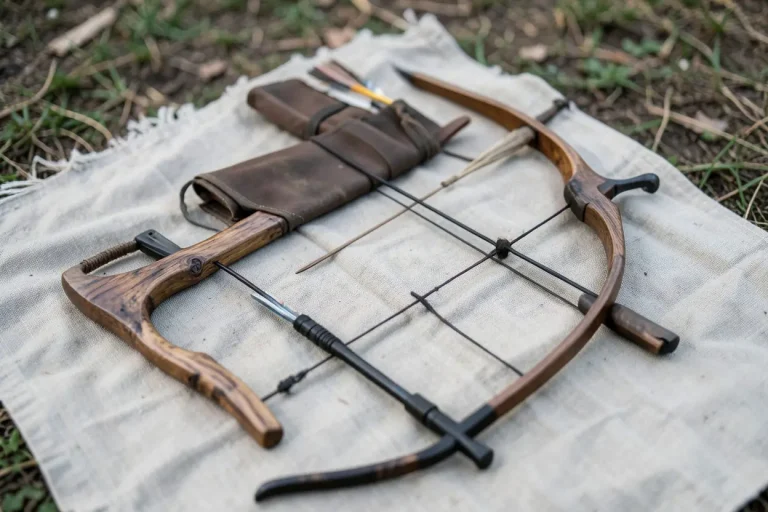
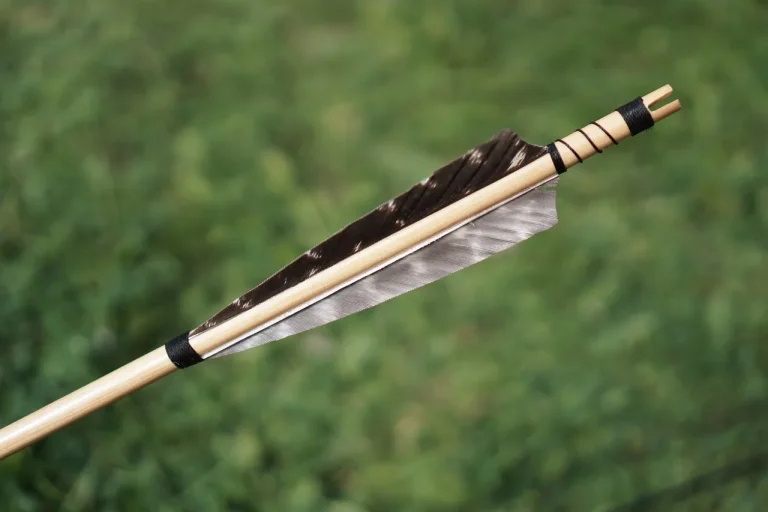
A self bow is a traditional bow made from a single piece of wood, without any backing or laminations. This simple design has been used by cultures around the world for thousands of years. Unlike composite bows, which use several materials for strength and flexibility, self bows rely entirely on the properties of the chosen wood.
Some classic self bows include the English longbow (often made from yew) and Native American flatbows (frequently made from hickory or osage orange). Because they are shaped from a single stave, the choice of wood, the quality of workmanship, and even the climate play big roles in how long a self bow can last.
Main Factors That Determine How Long Self Bows Last
1. Wood Type And Quality
The wood used is the foundation of every self bow. Some woods are naturally more durable and resilient.
- Yew: Famous for flexibility and smooth draw, but can be sensitive to humidity and shock.
- Osage orange: Extremely tough and rot-resistant, often considered the “gold standard” in North America.
- Hickory: Very strong and tolerant of humidity changes but heavier than yew.
- Elm, maple, ash, and bamboo: Also used, each with different strengths.
A self bow made from straight, knot-free, and well-seasoned wood lasts much longer than one made from poor-quality stock.
2. Craftsmanship
Even the best wood can fail if not shaped and finished properly.
- Tillering: This is the process of shaping the bow so it bends evenly. Poor tillering creates stress points and weak spots.
- Thickness and profile: Bows that are too thin or have aggressive tapers may shoot faster but are more likely to break.
- Finishing: Proper sanding, sealing, and oiling prevent moisture from entering and help the bow age well.
Example: Two bows made from the same yew tree may last very different amounts of time if one is tillered carefully and the other is rushed.
3. Usage Patterns
How often and how hard a bow is used makes a big difference.
- Heavy use (hundreds of shots per week) causes more fatigue, especially if the bow is always drawn to its full length.
- Occasional use (a few times a month) allows the wood fibers to recover.
- Overdrawing (pulling the string farther than the bow’s design) and dry firing (shooting without an arrow) can cause immediate damage.
4. Climate And Storage
Wood moves with changes in humidity and temperature.
- High humidity can soften the wood and cause it to take a permanent set or even warp.
- Extremely dry air can make the bow brittle and more likely to crack.
- Rapid temperature changes stress the wood.
Proper storage, cool, dry, and away from direct sunlight, is essential for long life.
5. Maintenance
A self bow that is regularly maintained can last much longer.
- Oiling or waxing helps keep moisture out.
- Inspecting for cracks after each use can catch small issues before they become big problems.
- Unstringing the bow when not in use relieves stress on the limbs.
Pro Tip: Never leave a self bow strung for days. Unstring it after shooting, unless you’re hunting and need it ready.
How Long Do Self Bows Last? Realistic Expectations
The lifespan of a self bow varies widely, but here’s what most experienced archers and bowyers report:
- Well-made, well-cared-for self bows: 10-20 years of regular use is common.
- Exceptional bows: Some last 30-50 years or more, especially if used rarely and stored carefully.
- Heavily used or neglected bows: May last only 1-5 years before losing power, developing cracks, or breaking.
It’s rare for a self bow to break suddenly if it’s well made, but slow loss of power (“string follow”) and small cracks are more common over time.
Comparison: Self Bows Vs. Other Bow Types
Here’s a direct look at how self bows compare to other traditional bows in terms of lifespan.
| Bow Type | Typical Lifespan | Main Weakness | Best Use |
|---|---|---|---|
| Self Bow | 10, 20 years | Humidity, overdraw, poor maintenance | Historical archery, traditional hunting |
| Composite Bow | 20, 50 years | Delamination, glue failure | Horseback archery, extreme climates |
| Fiberglass Recurve | 20, 40 years | Delamination, string wear | Modern target, hunting |
| Modern Compound | 15, 25 years | Cam, cable, and limb wear | Precision hunting, tournaments |
Signs Your Self Bow Is Nearing The End
It’s important to know when a self bow is wearing out. Pushing a bow past its limits can be dangerous.
- String follow: The limbs stay bent even when unstrung. A little is normal, but too much means loss of power and efficiency.
- Small surface cracks: These can be sanded and sealed, but deep cracks are a sign of serious fatigue.
- Buzzing or creaking sounds: New noises during draw or release often mean fibers are separating.
- Difficulty holding weight: If the draw weight drops suddenly, the bow’s fibers may be slipping.
- Splinters or lifting grain: If wood starts peeling away, stop using the bow immediately.
If you notice these signs, consider retiring the bow for display or gentle use only. Never try to “shoot through” a problem.
Credit: www.etsy.com
Tips To Make Your Self Bow Last Longer
Choose The Right Wood
Start with wood known for bow making. Osage orange and yew are top choices because they resist rot and handle stress well. Avoid wood with knots, twists, or irregular grain.
Store Carefully
Keep your self bow in a climate-controlled place. Avoid attics, garages, or basements where temperature and humidity swing. Hang the bow horizontally or store it in a soft case.
Unstring When Not In Use
Leaving a self bow strung for long periods creates permanent stress. Unstring the bow after each shooting session to let the wood fibers relax.
Regular Cleaning And Oiling
Dirt and sweat can break down finishes over time. Wipe your bow with a soft cloth after use. Every few months, apply a light coat of linseed oil or bow wax.
Inspect Before And After Shooting
Check for cracks, splinters, or changes in draw weight. Address small problems early to prevent catastrophic failures.
Avoid Overdrawing
Draw only to the length for which the bow was designed. Mark the safe draw length and stick to it. Overdrawing puts extra stress on the limbs and can cause a sudden break.
Protect From Moisture
While some woods handle humidity better, all self bows are vulnerable to water. Avoid shooting in the rain and never store a wet bow. If your bow gets damp, dry it slowly in a shaded area, not near a heater.
Rotate Use
If you own more than one self bow, rotate them. This gives each bow a chance to rest and recover.
Example: In my experience, alternating two self bows for weekly practice doubled their working life compared to using just one.
Real-world Experiences: What Bowyers And Archers Say
Experienced bowyers and traditional archers provide valuable insights into self bow longevity.
- John Strunk, a well-known American bowyer, has documented some of his self bows lasting over 30 years with careful use and storage.
- Historical records show that English longbows from the Mary Rose shipwreck (sank in 1545) were still mostly intact after hundreds of years underwater, although not usable.
- Many archery forums are filled with stories of self bows handed down for generations, often used less frequently as they age but still capable of shooting.
One less obvious factor: bows that are used for hunting only (a few dozen shots a year) often outlast those used for daily target practice. This is because the wood has more time to recover between uses.
Common Mistakes That Shorten Self Bow Life
Many beginners make errors that reduce how long their self bows last.
- Leaving the bow strung for days or weeks.
- Ignoring small cracks or splits, hoping they’ll go away.
- Using the wrong string material or length, too short or too stiff puts more stress on the limbs.
- Not adjusting shooting style, gripping or torquing the bow can create uneven stress.
- Storing in a car trunk or near a heater, exposing the bow to extreme temperatures.
Warning: Never try to repair a cracked or delaminating self bow with glue from a hardware store. Consult an experienced bowyer or retire the bow to avoid injury.
How Self Bow Lifespan Compares By Wood Species
Different woods offer different lifespans and resistance to damage. Here’s a direct comparison:
| Wood Species | Durability (Years) | Resilience to Moisture | Notes |
|---|---|---|---|
| Osage Orange | 20, 50 | Excellent | Very stable, rarely cracks |
| Yew | 10, 30 | Good | Classic, but can be brittle in dry climates |
| Hickory | 10, 25 | Very Good | Handles humidity well, heavier draw |
| Maple | 8, 15 | Fair | Less common, can take set |
Credit: apollo-magazine.com
Upgrading And Restoring Aging Self Bows
Not all bows need to be thrown out when they show wear. Some can be repaired or repurposed.
- Sanding and resealing: Light surface cracks can be sanded out and the area resealed with oil.
- Shortening the bow: If the tips are damaged, a bowyer can sometimes cut them off and reshape the ends.
- Reducing draw weight: Removing a small amount of wood can make an old bow easier to pull, though this should only be done by someone with experience.
If a bow is beyond repair, it can often be displayed or used for light practice with lower draw weights.
The Role Of Tradition And Heirlooms
One overlooked aspect is the emotional value of self bows. Many people keep old bows not just for shooting, but as family treasures or historical artifacts. A bow made by a grandparent or mentor can outlast its practical use, becoming a source of inspiration and connection across generations.
How To Tell If A Self Bow Is “too Old”
Age alone doesn’t decide when to retire a self bow. Instead, watch for:
- Large, deep cracks along the belly or back.
- Loss of more than 10-15% of original draw weight.
- Severe string follow that reduces accuracy.
- Any sign of wood separation or splintering.
If you’re unsure, ask an experienced archer or bowyer to inspect it before shooting again.
Frequently Asked Questions
How Does A Self Bow’s Lifespan Compare To A Fiberglass Bow?
Fiberglass bows generally last longer and are less sensitive to climate and storage conditions than self bows. They can handle neglect and rough treatment better. However, they lack the unique feel and character of a self bow. If cared for, a self bow can approach the lifespan of a fiberglass bow, but it requires more maintenance and respect for its natural materials.
Can A Self Bow Be Left Strung Overnight?
It’s best not to leave a self bow strung overnight. The constant tension causes the wood fibers to stretch and can lead to string follow, reducing the bow’s power and lifespan. If you must leave it strung for a short period (such as while hunting), unstring it as soon as possible.
What Is The Best Way To Transport A Self Bow?
Transport your self bow in a soft or hard bow case. Keep it away from direct sunlight, heaters, or cold drafts. If you’re traveling long distances, unstring the bow to relieve stress on the limbs. Always inspect the bow before and after transport for any damage.
Are There Signs Of Aging That Mean A Self Bow Should Only Be Used For Display?
Yes. Deep cracks, significant string follow, or audible creaks and pops during use all indicate that a self bow may be unsafe to shoot. If in doubt, retire the bow for display or ceremonial use rather than risk injury.
Can Self Bows Be Used For Bowfishing Or Other Wet Activities?
Self bows are not ideal for bowfishing or wet-weather activities, as water can quickly damage the wood and finish. If you want to try bowfishing, consider a fiberglass or laminated bow. For traditionalists, always dry and re-oil your self bow if it gets wet, but expect the lifespan to shorten with repeated exposure.
Credit: www.etsy.com
Final Thoughts
A well-made and well-cared-for self bow can serve faithfully for decades, offering both performance and a connection to ancient traditions. Their lifespan depends on smart wood choice, careful craftsmanship, how they’re used