Wood Arrows vs Carbon Arrows: Which Fits Your Recurve?
Wood arrows fit traditional bows when you want a classic feel and simple point-weight changes. Carbon arrows are the better pick if you want consistent spine, straighter shafts, and fewer broken arrows. For me, that difference shows up fast on a recurve range.
Pick the wrong shaft, and you fight poor tune, torn fletchings, bad groups, or arrows that splinter or snap at the worst time.
I’ll compare fit, tuning, feel, failure modes, and real ownership cost for recurve and traditional setups.
| Decision factor | Wood Arrows | Carbon Arrows | Winner |
|---|---|---|---|
| Best bow fit | Longbow and recurve bows | Recurve and compound bows | Carbon Arrows |
| Consistency | More variable from shaft to shaft | High consistency and tighter tolerances | Carbon Arrows |
| Maintenance and repair | Can be repaired, but need more care and attention | Low day-to-day fuss, but cracks usually end the shaft | Wood Arrows |
| Traditional feel | Matches traditional archery and hand-made workflows | Less aligned with traditional archery culture | Wood Arrows |
| Replacement risk | More prone to damage and loss of straightness | Generally returns to shape when bent and holds up well | Carbon Arrows |
Wood arrows vs carbon arrows: the real trade-off


Wood arrows give me a familiar traditional feel, but carbon arrows give me more repeatable flight on a recurve when the bow is tuned right. I see that split in spine matching, arrow recovery, and how many shafts I still trust after a rough practice session.
The shaft material does most of that work. Once the bow, arrow length, and point weight are close, the material decides how forgiving the setup feels, how often I babysit the shafts, and what kind of misses I can live with.
📊 The guide lists premium arrow straightness tolerances at 0.001 to 0.002 inches. Source: 10 Best Carbon Arrows for Hunting (2026 Reviews) • Advanced….
What are wood arrows and carbon arrows made for?
Wood arrows are mainly made for traditional archery, and they stay common because they fit the look, feel, and hand-built workflow of that style. Carbon arrows use reinforced plastic with carbon fibers, and they are built for modern recurve and compound use where consistency matters more than nostalgia.
Wood arrows in traditional archery and longbow use
Wood arrows are limited to longbow and recurve bows, and they still make sense when you want a traditional setup that feels honest to the form. They can be self-made, but that takes equipment, time, knowledge, and close attention.
Carbon arrows in recurve and modern target setups
Carbon arrows can be used with recurve and compound bows, and they dominate modern hunting use according to the guide. They are lighter than wood, hold tighter tolerances, and generally return to their original shape when bent, which is why so many recurve archers move to them after they want cleaner tune work.
Shaft material, spine, and straightness tolerance
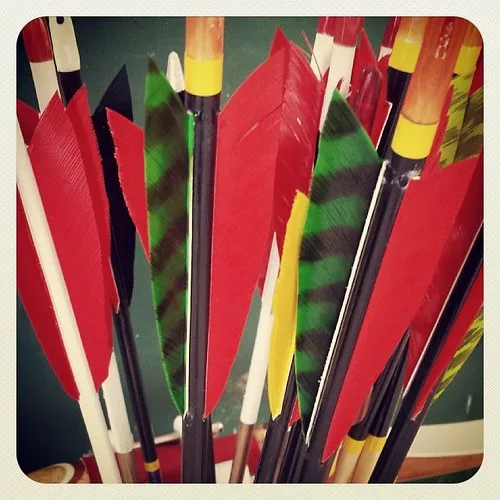
Shaft material is the first fork in the road, but arrow spine is what makes the setup shoot clean. On carbon shafts, straightness tolerance matters too; premium carbon is often tighter than standard carbon, which can make premium shafts feel more uniform from one arrow to the next.
How do they behave on a recurve bow?
On a recurve bow, shaft material changes how easy the arrows are to tune, how much they forgive a marginal release, and how loud the bow feels. When I switched to a left-hand bow after realizing I am left-eye dominant, my groups tightened within two weeks because the bow-hand fit and arrow reaction finally lined up.
Arrow spine and length matching
Recurve archers have to match spine and length carefully. A wood shaft that is a little off can be harder to sort out because wood is naturally more variable, while carbon gives you a narrower starting window and more predictable behavior once the draw weight and shaft length are right.
Point weight, tune, and forgiveness
Wood arrows make point-weight changes feel simple, which is one reason traditional shooters like them. Carbon can be tuned just as well, but the process is more about choosing the right shaft up front and less about hand-fitting each shaft after the fact.
Noise, recovery, and shot feel
Wood often gives a warmer, softer shot feel. Carbon tends to recover cleaner and fly with less drama when the tune is close, but a stiff mismatch can turn into noisy flight and ugly grouping fast. I notice that more on barebow recurves than on hunting rigs.
Which arrows are best for a recurve bow, wood or carbon?
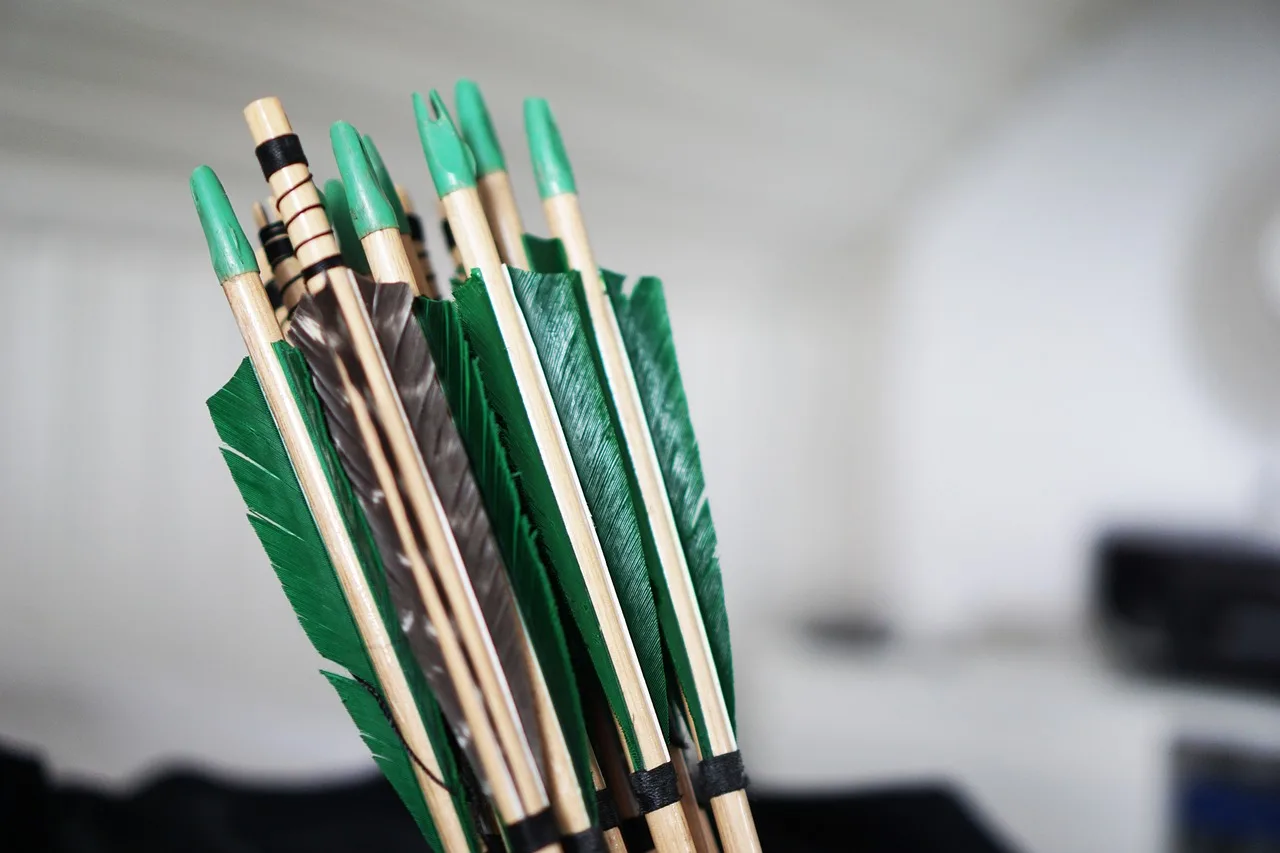
For a recurve bow, carbon is usually the better choice if you want repeatable tuning, easier arrow matching, and a shaft that handles practice volume well. Wood is the better choice if you value traditional feel, want to build arrows yourself, or shoot a setup that leans hard into hand-made gear and historical style.
Barebow recurve
For barebow recurve, carbon usually wins when you want a cleaner tuning baseline and less shaft-to-shaft spread. Wood works if you like the traditional process and accept that you may spend more time sorting arrows and adjusting point weight.
Hunting recurve
For hunting recurve, carbon is often the practical pick because a bent shaft, rough carry, or cold-weather knock-around is less likely to end the arrow. Wood can still hunt well, but I would only choose it if you are comfortable inspecting every shaft and replacing damaged ones often.
Target recurve
For target recurve, carbon is the safer choice for consistency. If your group size starts wandering, I want to rule out spine mismatch and shaft variation before I blame my release. Carbon helps there because the arrow itself is less likely to be the random variable.
Longbow and traditional bow use
Longbow and traditional bow use still belong to wood in a lot of camps. The look, sound, and hand-built process matter as much as the arrow path, and wood sits naturally in that world.
Comparison table: wood vs carbon by setup and use case
Here is how I sort the choice when the bow is a recurve or a traditional bow. The best shaft depends on how much you care about authenticity, tuning speed, and how much time you want to spend maintaining arrows.
| Use case | Wood Arrows | Carbon Arrows | Winner |
|---|---|---|---|
| Barebow recurve | Good if you want a traditional feel and hand-built shafts | Better if you want repeatable tune and less shaft variation | Carbon Arrows |
| Hunting recurve | Works, but damage risk is higher and replacement is less forgiving | Better for carry abuse, recovery, and consistency in the field | Carbon Arrows |
| Target recurve | Fine for traditional form practice and hand-making interest | Better for exact repeatability and tighter tuning control | Carbon Arrows |
| Longbow and traditional bow use | Best fit for classic traditional archery | Usable, but less aligned with the style | Wood Arrows |
Where each shaft fails in real use
Wood and carbon fail in different ways, and those failure modes matter more than catalog claims. Wood arrows are inconsistent and easily damaged, while carbon arrows can hide impact damage until a crack opens up or a shaft gives way under load.
Common wood arrow breakage and warp problems
Wood shafts can warp, split, or drift out of tune if you store them badly or keep shooting damaged ones. I also see more variation in straightness and spine from shaft to shaft, which means a set can shoot fine until one arrow starts acting like it came from a different bundle.
Common carbon arrow crack and impact problems
Carbon shafts can crack after a hard impact, and bent inserts make the problem worse because the front end stops aligning cleanly. The shaft may look fine at a glance, so I inspect carbon arrows carefully after any ugly hit.
Mismatch mistakes beginners make with recurve setups
The most common beginner mistake is buying arrows by brand name instead of bow setup. I see underspined arrows from new shooters with heavier recurves, shafts cut too short, and point weights that push the tune out of range. That is exactly how you end up blaming the bow for an arrow problem.
- Match spine to your actual recurve draw weight, not the number on the limb.
- Confirm shaft length before you buy points or cut anything.
- Choose point weight with the tune in mind, then test bare shafts.
- Inspect every shaft after misses, hard stops, and target bounce-outs.
Recurve decision table: which shaft should you buy?
This is the practical part. I pick wood or carbon for recurves by bow type, draw weight, budget, and how much maintenance the archer will actually do. A good shaft that fits the shooter beats an expensive shaft that sits wrong in the bow.
| Archer type | Bow type | Draw weight range | Budget | Maintenance preference | Better shaft |
|---|---|---|---|---|---|
| Traditional beginner | Longbow or recurve | Light to moderate | Low | Likes simple hand work | Wood Arrows |
| Barebow recurve shooter | Recurve bow | Moderate | Medium | Wants fewer tune variables | Carbon Arrows |
| Hunting recurve archer | Recurve bow | Moderate to higher | Medium to high | Wants durability and quick replacement | Carbon Arrows |
| Traditional hobbyist | Longbow or recurve | Light to moderate | Low to medium | Enjoys building and repair | Wood Arrows |
Choose Wood Arrows if… / Choose Carbon Arrows if…
Wood wins when tradition, self-made workflow, and easy point-weight tinkering matter more than absolute consistency. Carbon wins when you want repeatable spine, better durability in use, and a recurve setup that is easier to keep tuned.
Choose wood arrows if…
Choose wood arrows if you shoot a longbow or traditional recurve and want the gear to match that culture. Choose them if you like building your own shafts, accept more variation, and do not mind replacing damaged arrows more often.
Choose wood if your maintenance style is hands-on and your goal is feel first, not maximum repeatability.
Choose carbon arrows if…
Choose carbon arrows if you shoot a recurve bow and want stable spine, good durability, and fewer headaches when your groups drift. Choose them if you hunt, shoot often, or want one arrow recipe that stays consistent across a full set.
Choose carbon if you want the cleaner path for tuning and ownership.
When neither is the easy answer
If you are brand new to recurve archery, the best answer may be the shaft that matches your coach’s setup chart, not your preference for wood or carbon. I have seen more bad groups caused by poor spine choice than by the material itself. My first compound bow was set too heavy for me, and I flinched for a while before I backed the limb bolts out.
Frequently asked questions
wood vs carbon arrows
Wood arrows are the traditional choice, especially for longbow and recurve bows, while carbon arrows are the modern option for consistency and durability. I judge the choice by bow type, spine fit, and how much maintenance the archer wants to do. The best shaft is the one that matches the setup cleanly.
are carbon arrows good
Yes, carbon arrows are good if you want repeatable spine, good durability, and less shaft variation from arrow to arrow. They are a strong fit for recurve shooters who care about tuning and for hunters who want arrows that handle field use better. They are not the easiest choice for hand-made traditional workflows.
wood vs carbon arrows for recurve
For recurve use, carbon is usually the easier choice for consistency and tuning, while wood is better when you want a traditional feel and enjoy making arrows yourself. The bow still has to be matched to spine and length either way. A bad recurve tune will punish both materials.
are carbon arrows better than wood arrows
Carbon arrows are better for consistency, durability, and modern recurve use. Wood arrows are better for traditional archery, simple hand-built setups, and the classic longbow look and feel. Better depends on whether you value repeatability or tradition more, and on how much work you want to put into arrow care.
can you use carbon arrows on a traditional bow
Yes, you can use carbon arrows on a traditional bow if the bow’s spine, length, and point weight are matched correctly. I still see many traditional archers prefer wood because it feels more in line with the bow itself. Carbon is a fit choice, not a style mandate.
are wooden arrows good for hunting
Wooden arrows can be good for hunting if the shafts are well matched, straight, and cared for. The weak point is consistency and damage risk, so I would rather use them when the hunter is experienced and checks gear often. For rough use, carbon is usually the safer pick.